Morecambe: A Seaside Town with Global Appeal
Nestled on the northwest coast of England, the town of Morecambe has long stood as a symbol of British seaside culture. With its golden sands, Art Deco architecture, and rich industrial heritage, Morecambe has evolved from a Victorian holiday hotspot into a year-round destination that continues to captivate visitors from around the world.
Morecambe’s story begins in the 19th century when the arrival of the railway transformed it into a premier holiday resort for the working classes. Unlike the exclusive enclaves of Brighton or Bournemouth, Morecambe embraced accessibility, offering affordable escapes by the sea. Today, its legacy endures in the form of the iconic Morecambe Promenade, a 1.5-mile stretch of coastline that has witnessed generations of families build sandcastles and paddle in the Irish Sea.
The Golden Mile: Morecambe’s Architectural and Cultural Landmarks
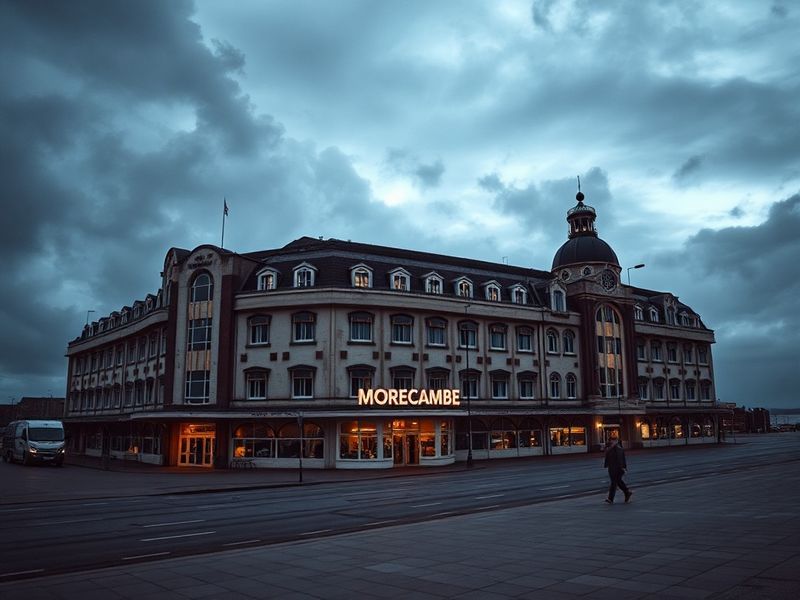
The town’s most recognizable feature is the Golden Mile, a stretch of shoreline lined with colorful beach huts, amusement arcades, and the striking Midland Hotel. Completed in 1933, the Midland Hotel is a masterpiece of Art Deco design, its white façade and nautical motifs reflecting the optimism of interwar Britain. The hotel has hosted luminaries from George Formby to The Beatles, cementing its place in pop culture history.
Beyond the Golden Mile, Morecambe’s cultural footprint extends to its annual events. The Morecambe Folk Festival draws musicians and enthusiasts from across the UK, while the Morecambe Carnival transforms the town into a vibrant celebration of local talent. These gatherings highlight Morecambe’s role as a cultural hub, blending tradition with contemporary creativity.
- Midland Hotel: A Grade II-listed Art Deco landmark that has welcomed stars and visitors alike since the 1930s.
- Morecambe Winter Gardens: A historic venue that has hosted everything from music hall performances to modern comedy nights.
- Eric Morecambe Statue: A bronze tribute to the beloved comedian, who hailed from the town and remains its most famous son.
From Industry to Innovation: Morecambe’s Economic Evolution
Morecambe’s identity has always been tied to its relationship with the sea. In the 19th and early 20th centuries, the town thrived as a center for fishing and tourism. The decline of traditional industries in the mid-20th century posed challenges, but Morecambe adapted by diversifying its economy. Today, sectors like renewable energy and digital technologies are gaining traction, with offshore wind farms dotting the horizon and startups finding a foothold in the town.
Tourism remains the lifeblood of Morecambe’s economy. The town’s proximity to major cities like Manchester and Leeds makes it an attractive weekend getaway. Visitors flock to attractions like the Morecambe Bay Oyster Company, which offers a taste of the region’s seafood, and the Stone Jetty, a popular spot for photography and coastal walks. Morecambe’s seafood, particularly its smoked haddock, has even gained international acclaim, featured in food festivals as far afield as London and New York.
Morecambe in the Global Imagination: From Comedy to Climate Change
Morecambe’s influence extends beyond its shores, thanks in part to its most famous ambassador: comedian Eric Morecambe. Born Eric Bartholomew in 1926, the larger-than-life performer became a national treasure as part of the comedy duo Morecambe and Wise. His wit and charm made him a household name, and his legacy is celebrated in the town through murals, a statue, and an annual festival in his honor. Eric’s connection to Morecambe underscores the town’s ability to produce cultural icons that resonate globally.
In recent years, Morecambe has also become a focal point in discussions about climate change and coastal resilience. The town lies on the frontline of rising sea levels and erosion, prompting innovative projects like the Morecambe Bay Barrage proposal. This ambitious plan aims to harness tidal energy while protecting the coastline, reflecting Morecambe’s role as a testbed for sustainable solutions. The town’s challenges mirror those faced by coastal communities worldwide, from the Netherlands to Bangladesh, making it a case study in adaptation.
A Town Reimagined: The Future of Morecambe
Morecambe’s future is a blend of preservation and progress. Efforts to restore historic landmarks like the Winter Gardens and the Midland Hotel have breathed new life into the town, while modern initiatives like the Morecambe Bay Partnership focus on environmental stewardship and community engagement. The town’s designation as a Cultural Heritage Coast by Natural England has further solidified its status as a place of national significance.
For visitors, Morecambe offers a rare blend of nostalgia and innovation. Whether it’s strolling along the promenade, exploring the Eric Morecambe statue, or sampling fresh seafood at a waterfront café, the town provides a glimpse into both Britain’s past and its future. As Morecambe continues to evolve, it remains a testament to the enduring appeal of seaside towns in an increasingly digital world.
Why Morecambe Matters
Morecambe is more than just a postcard-perfect holiday destination. It is a living archive of British social history, a hub of creative energy, and a microcosm of the challenges and opportunities facing coastal communities worldwide. In an era where many seaside towns struggle to stay afloat, Morecambe’s ability to reinvent itself while honoring its roots offers valuable lessons. It reminds us that places, like people, can evolve without losing their soul.