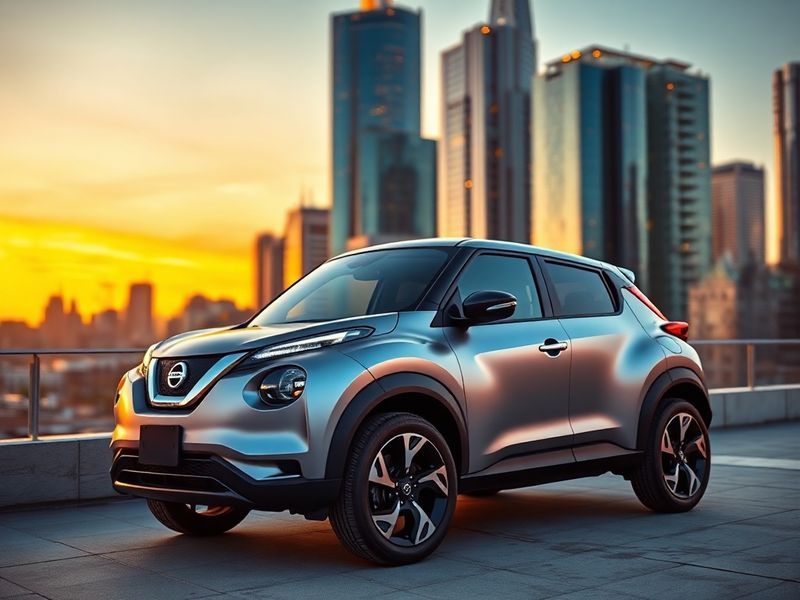
The Nissan Juke has long been a standout in the compact crossover segment, celebrated for its bold styling and urban-friendly dimensions. With the introduction of the Nissan Juke EV, the brand is taking a bold step into the electric vehicle (EV) market, blending the Juke’s distinctive aesthetic with zero-emission technology. This isn’t just an electric version of a familiar model—it’s a statement about how electric vehicles can be fun, stylish, and practical for city dwellers.
The Juke EV Arrives with a Bold Vision
Nissan’s decision to electrify the Juke reflects a strategic shift in its lineup. The Juke EV is built on the same platform as the Renault Megane E-Tech Electric, but it retains the Juke’s unmistakable design language. The front grille, headlights, and overall silhouette remain familiar, yet subtle updates—like a closed-off grille and aerodynamic enhancements—signal its electric underpinnings.
The powertrain is where the real transformation occurs. The Juke EV is powered by a 114 kW (153 hp) electric motor, delivering 245 lb-ft of torque. This setup provides brisk acceleration, making the Juke EV feel lively in stop-and-go traffic. Nissan claims a 0-60 mph time of 7.5 seconds, which is respectable for a compact SUV but not class-leading. However, the Juke EV’s strength lies in its efficiency and agility, not raw speed.
Key Specifications of the Nissan Juke EV
- Range: Up to 242 miles (WLTP) on a full charge
- Battery: 60 kWh lithium-ion, positioned low in the chassis for improved handling
- Charging: Up to 130 kW DC fast charging (0-80% in 30 minutes)
- Dimensions: 4,210 mm long, 1,800 mm wide, 1,570 mm tall—compact enough for tight parking spots
- Price: Starting around £30,000 in the UK, positioning it as a premium entry in the electric compact SUV segment
The battery’s placement enhances the Juke’s already nimble handling, giving it a lower center of gravity compared to its combustion-engined sibling. This, combined with Nissan’s ProPilot driver-assistance system, makes the Juke EV a compelling choice for urban commuters who value both style and substance.
Why the Juke EV Matters in the EV Landscape
The electric vehicle market is rapidly expanding, but it remains dominated by larger, more expensive models like the Tesla Model Y or Ford Mustang Mach-E. The Nissan Juke EV fills a critical gap, offering an electric compact SUV at a more accessible price point without sacrificing personality. Its arrival underscores a growing trend: automakers are electrifying smaller, more affordable models to appeal to younger, urban buyers who want EVs but don’t need (or want) a massive crossover.
For Nissan, the Juke EV is also a testbed for its future electric strategy. The brand has committed to electrifying its entire European lineup by 2030, and the Juke EV serves as a proof point that electric vehicles can be fun, stylish, and practical. Its success—or lack thereof—could influence Nissan’s approach to future compact electric models.
Moreover, the Juke EV aligns with broader industry shifts. As cities tighten emissions regulations and consumers prioritize sustainability, compact EVs like the Juke EV are becoming increasingly relevant. They offer a balance between efficiency and usability, making them ideal for city driving where space and maneuverability are at a premium.
Driving Experience: A Blend of Familiarity and Innovation
Behind the wheel, the Juke EV feels like a natural evolution of the original Juke. The driving position is upright and comfortable, with excellent visibility thanks to the SUV’s tall greenhouse. The regenerative braking system is adjustable, allowing drivers to choose between one-pedal driving and a more conventional feel. This adaptability is particularly useful in urban environments where stop-and-go traffic is common.
The interior is where Nissan has made the most noticeable changes. The dashboard features a 12.3-inch digital instrument cluster and a 10.8-inch infotainment touchscreen, both running on Nissan’s latest software. The layout is clean and modern, though some may find the center console’s angled design a bit unconventional. Materials are a mix of hard plastics and soft-touch surfaces, reflecting the Juke EV’s positioning as a premium compact SUV.
One of the Juke EV’s standout features is its e-Pedal, which allows drivers to accelerate and decelerate using just the accelerator pedal. This system is intuitive and reduces fatigue on long drives, though it may take some getting used to for those accustomed to traditional braking. The Juke EV also comes with Nissan’s ProPilot driver-assistance system, which includes adaptive cruise control, lane-keeping assist, and traffic sign recognition.
What Sets the Juke EV Apart from Competitors
- Design: The Juke EV retains the original’s bold styling, making it one of the most distinctive electric compact SUVs on the market.
- Price: Starting at around £30,000, it undercuts many of its rivals while offering a premium feel.
- Efficiency: With a WLTP range of up to 242 miles, it’s competitive with rivals like the Kia Niro EV and MG ZS EV.
- Technology: The 12.3-inch digital cluster and 10.8-inch touchscreen provide a modern, user-friendly interface.
- Driving Dynamics: The low-mounted battery improves handling, making the Juke EV feel more agile than its boxy competitors.
Compared to the Kia Niro EV or the MG ZS EV, the Juke EV stands out for its design and driving experience. While the Niro EV offers more space and the ZS EV is more affordable, the Juke EV’s blend of style, efficiency, and practicality makes it a compelling alternative.
The Broader Implications of the Juke EV
The Nissan Juke EV is more than just another electric vehicle—it’s a reflection of where the automotive industry is headed. As automakers race to electrify their lineups, models like the Juke EV demonstrate that electric vehicles don’t have to be bland or utilitarian. Instead, they can be fun, stylish, and tailored to the needs of urban drivers.
For consumers, the Juke EV represents an opportunity to embrace electric mobility without compromising on personality or practicality. Its compact size and efficient powertrain make it ideal for city living, while its advanced technology and safety features appeal to tech-savvy buyers. As charging infrastructure improves and battery costs continue to fall, the Juke EV could become an even more attractive option.
From a broader perspective, the Juke EV highlights the challenges and opportunities facing the automotive industry. Electrification is no longer a niche trend—it’s a necessity. Automakers must balance innovation with affordability, and the Juke EV shows that it’s possible to achieve both. Its success could encourage other brands to electrify their smaller, more affordable models, further accelerating the transition to electric mobility.
There are, however, challenges ahead. The Juke EV’s range, while adequate for most urban commuters, may fall short for those planning longer road trips. Charging infrastructure remains a concern in some regions, and the Juke EV’s premium pricing could limit its appeal to budget-conscious buyers. Still, these are hurdles that the automotive industry is actively addressing, and the Juke EV is a step in the right direction.
Looking Ahead: The Future of the Juke EV and Electric Compacts
The Nissan Juke EV is just the beginning. As battery technology improves and charging networks expand, we can expect to see even more innovative electric compact SUVs. Automakers are already experimenting with solid-state batteries, which promise greater range and faster charging times. These advancements could make electric compact SUVs like the Juke EV even more appealing in the coming years.
For Nissan, the Juke EV is a critical model in its European lineup. Its success will likely influence the brand’s future electric strategy, potentially leading to more compact EVs in its lineup. If the Juke EV resonates with buyers, we could see a wave of similar models from other automakers, further democratizing electric mobility.
Ultimately, the Juke EV is a testament to Nissan’s commitment to innovation and sustainability. It proves that electric vehicles can be fun, stylish, and practical—qualities that will be essential as the automotive industry continues its transition to zero-emission mobility.
Conclusion: A Bold Step into the Electric Future
The Nissan Juke EV is more than just an electric version of a familiar crossover—it’s a statement about the future of urban mobility. With its distinctive design, efficient powertrain, and advanced technology, the Juke EV offers a compelling alternative to traditional combustion-engined SUVs. It’s a vehicle that proves electric mobility doesn’t have to be boring or impractical.
As the automotive industry continues to evolve, models like the Juke EV will play a crucial role in shaping the future of transportation. They offer a glimpse of what’s possible when innovation meets practicality, and they demonstrate that electric vehicles can be as exciting and stylish as they are efficient. For urban drivers looking to make the switch to electric, the Juke EV is a strong contender—and a sign of things to come.
For more insights into the latest trends in automotive technology, visit Dave’s Locker Technology section. To explore how electric vehicles are reshaping the industry, check out our Automotive category for in-depth analysis and news.