The Grand National: Britain’s Most Thrilling Horse Race Explained
“`html
The Grand National: A Steeplechase Like No Other
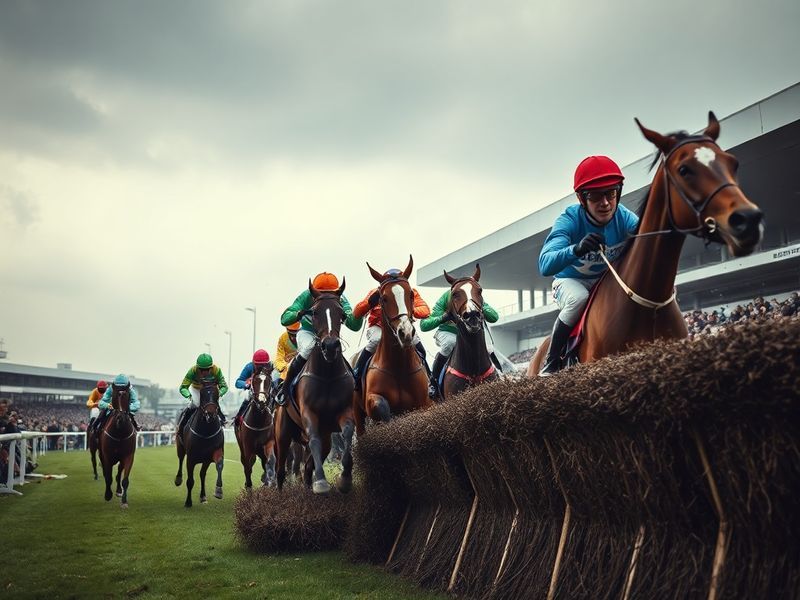
The Grand National is more than just a horse race; it is a cultural institution, a test of endurance, and a spectacle that captivates millions every April. Held at Aintree Racecourse near Liverpool, England, this steeplechase has been a cornerstone of British sporting tradition since 1839. With its grueling 4-mile, 514-yard course featuring 30 formidable fences, the Grand National is not for the faint-hearted—neither for the horses nor the spectators.
What sets the Grand National apart is its unpredictability. Unlike flat racing, where favorites often dominate, the Grand National thrives on chaos. Horses and jockeys must navigate treacherous obstacles like Becher’s Brook and The Chair, where even the most seasoned competitors can falter. This unpredictability is part of its allure, drawing in casual fans and hardened racing enthusiasts alike.
The History Behind the Legends
The Grand National’s origins trace back to 1839, when it was first run as a cross-country steeplechase. The race was modeled after the Liverpool and Manchester Railway’s inaugural run, with the original course taking riders from the Liverpool Cricket Club to Aintree. Over the decades, the race evolved into the high-stakes event we recognize today.
Few races have produced as many iconic moments as the Grand National. In 1967, Foinavon won at odds of 100/1 after a bizarre incident where the rest of the field fell or refused at a fence, leaving the little-known horse to gallop to victory virtually unchallenged. More recently, Tiger Roll’s back-to-back wins in 2018 and 2019 cemented his place in racing folklore, though his 2021 disqualification due to a weight penalty sparked controversy.
The race has also been a stage for tragedy. In 1956, Devon Loch famously collapsed just yards from the finish line while leading, a moment that has been etched into racing history. Such incidents underscore the perilous nature of the Grand National, where triumph and disaster are often separated by a heartbeat.
What Makes the Course So Demanding?
The Aintree course is infamous for its punishing terrain and unforgiving fences. The most notorious obstacle is Becher’s Brook, a 5-foot-high fence followed by a sharp descent into a brook. The drop can unseat even the most balanced horses, while the brook itself has claimed countless careers. Another fearsome fence is The Chair, a 5-foot-2-inch obstacle with a ditch on the takeoff side, making it one of the most technically challenging jumps in the sport.
Beyond the fences, the race’s length is a grueling test. Covering nearly four and a half miles, it demands stamina, speed, and tactical acumen. Horses must conserve energy for the final stretch, where the infamous “Elbow” marks the beginning of a two-and-a-half-furlong run-in to the finish. This stretch is where races are often won or lost, as exhausted horses struggle to maintain their stride.
For jockeys, the challenge is as much mental as it is physical. The need for precise timing and courage cannot be overstated. A misjudged leap or a moment of hesitation can mean the difference between glory and heartbreak. This combination of danger and skill is what makes the Grand National a unique spectacle in the world of horse racing.
The Grand National’s Place in Popular Culture
The Grand National transcends sport, embedding itself in the fabric of British culture. It is the one day of the year when the nation collectively holds its breath, whether at the track, in pubs, or gathered around television screens. The race’s ability to bring people together, regardless of their usual interests, is a testament to its universal appeal.
Television coverage has played a massive role in its popularity. Since the BBC began broadcasting the race in 1960, it has become a staple of British television, drawing audiences in the tens of millions. The commentary of legends like Peter O’Sullevan and Jim McGrath has added to the race’s mystique, turning it into a shared national experience.
Beyond the UK, the Grand National has also gained international recognition. Irish-trained horses have a strong record in the race, with champions like Red Rum and Papillon etching their names into history. Meanwhile, the Cheltenham Festival, another major National Hunt event, often serves as a precursor, with many horses going on to compete at Aintree.
Controversies and Ethical Debates
Despite its popularity, the Grand National has faced persistent criticism over animal welfare concerns. Animal rights groups, including PETA, have long argued that the race’s extreme demands place horses at unacceptable risk. High-profile fatalities, such as the deaths of Clan Royal in 2006 and Synchronised in 2012, have fueled these debates.
In response to these concerns, Aintree has implemented numerous safety measures. These include modifications to fences, stricter veterinary checks, and the introduction of a “whip rule” to reduce unnecessary use of riding crops. The race organizers have also emphasized improvements in horse training and post-race care to mitigate risks.
Yet, the ethical questions persist. Some argue that no amount of regulation can justify a race where horses are pushed to their limits. Others counter that the Grand National is a celebration of equine athleticism and human partnership, provided it is conducted responsibly. These debates reflect broader societal tensions about the intersection of tradition and animal welfare.
How to Experience the Grand National
For those looking to experience the Grand National firsthand, Aintree offers a range of options beyond the main event. The three-day festival includes races like the Grand National Meeting and the Mersey Novices’ Hurdle, providing a broader taste of National Hunt racing.
Tickets for the Grand National can be purchased through Aintree’s official website, with prices varying depending on the enclosure. The Paddock and Tattersalls enclosures offer the most exclusive experiences, while the Grandstand provides panoramic views of the course. For a more budget-friendly option, general admission areas still deliver an electrifying atmosphere.
Alternatively, the race can be enjoyed from afar. Many fans gather in local pubs or host viewing parties, turning it into a communal event. For those unable to attend, live broadcasts and streaming services ensure that the excitement is accessible worldwide.
A Look Ahead: The Future of the Grand National
The Grand National faces a pivotal moment as it navigates the challenges of modern racing. The ongoing debate over animal welfare, coupled with changing public attitudes, means the race must continually adapt to survive. Innovations in horse safety, such as synthetic fences and enhanced medical protocols, may play a crucial role in its future.
Meanwhile, the race’s organizers are keen to preserve its traditions while embracing progress. Initiatives like the “Racing to School” program, which educates young people about the sport, aim to foster the next generation of fans and participants. The Grand National’s ability to evolve while retaining its core identity will determine its longevity.
As we look to the future, one thing is certain: the Grand National will remain a defining event in the world of horse racing. Whether it is the thrill of an unexpected victory, the drama of a near-miss, or the sheer spectacle of the course, the race continues to captivate hearts and minds across the globe.
For those who have yet to experience it, the Grand National is more than a race—it is an institution. And like all great institutions, it endures by balancing reverence for the past with a commitment to the future.
For more insights into the world of horse racing, explore our Sports and Entertainment categories on Dave’s Locker.