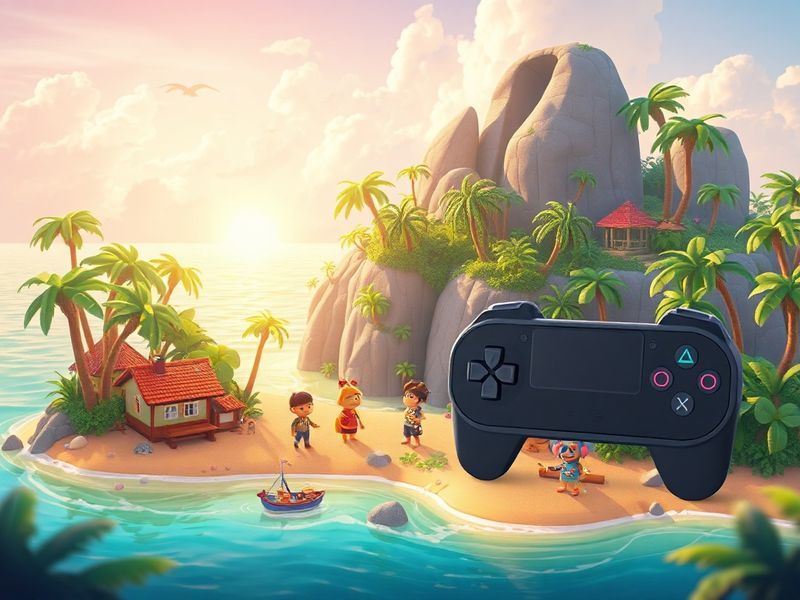
Why Animal Crossing on PlayStation Could Be the Next Big Gaming Surprise
“`html
Why Animal Crossing Fans Dream of a PlayStation Version
Since its debut in 2001, the Animal Crossing series has charmed millions with its relaxed pace, creative freedom, and nostalgic charm. Nintendo’s life simulator has thrived on its home consoles, from the Nintendo 64 to the Switch. Yet, despite the franchise’s global appeal, a version for PlayStation has never materialized. The absence has fueled speculation, petitions, and countless forum debates among fans. Why does the idea persist? And what would it take for Sony to consider such a collaboration?
The answer lies in the unique cultural footprint of Animal Crossing. Unlike many Nintendo franchises, it transcends generational divides. Parents who played the original on GameCube now introduce it to their children on Switch. Its appeal isn’t limited to hardcore gamers; it’s a social experience that bridges age, geography, and gaming habits. A PlayStation release could tap into Sony’s massive user base, particularly in regions like Europe and North America where PlayStation dominates.
The Cultural Significance of Animal Crossing
Animal Crossing isn’t just a game—it’s a cultural touchstone. During the COVID-19 pandemic, its themes of community and escapism resonated deeply. Players worldwide hosted virtual events, exchanged gifts, and found solace in its gentle rhythm. The game became a digital living room where people connected when physical ones were inaccessible.
This global connection isn’t limited to Nintendo platforms. PlayStation players, accustomed to multiplayer experiences like MMOs and co-op shooters, have long sought a life simulator that fits Sony’s ecosystem. Imagine a PlayStation 5 version of Animal Crossing: cross-play with Switch friends, PlayStation Plus integration for shared islands, and seamless access to Sony’s multimedia services. The potential for cross-platform interaction alone makes the idea compelling.
Technical and Business Hurdles
Despite fan enthusiasm, several obstacles stand in the way of a PlayStation release. First and foremost is Nintendo’s strict control over its IPs. The company has historically limited its franchises to its own hardware, a strategy that protects its ecosystem and maximizes sales. A PlayStation port would require Nintendo to cede some control—a rare move in the industry.
There’s also the question of exclusivity. Animal Crossing thrives because of its integration with Nintendo’s ecosystem, from Amiibo figures to Joy-Con controllers. Porting it to PlayStation would mean reworking these features, potentially diluting the experience. Sony, meanwhile, has its own life simulators, like Dreams, which offer similar creative tools but lack the charm of Nintendo’s signature style.
Yet, the biggest hurdle may be financial. Nintendo has no incentive to fragment its IP across platforms when its own consoles sell millions annually. A PlayStation version would cannibalize sales from the Switch and Switch OLED models, which remain hot sellers years after launch. Unless Sony were willing to pay a licensing fee large enough to offset potential losses, Nintendo has little reason to agree.
Fan Campaigns and Industry Precedents
Undeterred, fans have taken matters into their own hands. Online petitions with tens of thousands of signatures have circulated, arguing that a PlayStation version would expand the franchise’s reach. Some point to past collaborations, like Nintendo’s brief foray into mobile gaming with Miitomo, as evidence that the company can adapt its IPs for non-Nintendo platforms.
There are precedents for cross-platform Nintendo games, though they’re rare. Pokémon GO and Mario Kart Tour exist outside Nintendo’s ecosystem, but they’re mobile titles with different design priorities. A console-based Animal Crossing for PlayStation would require a fundamental rethinking of the formula—one that Nintendo has shown little interest in pursuing.
What a PlayStation Version Might Look Like
If Nintendo and Sony were to collaborate, what would the result look like? Speculation centers on a few key features:
- A fully realized co-op mode, allowing multiple players to share an island in real-time, similar to Minecraft’s multiplayer.
- Integration with PlayStation Plus, offering exclusive items or seasonal events for subscribers.
- Cross-play with Switch players, enabling friends on different consoles to visit each other’s islands.
- A revamped visual style, possibly leveraging the PS5’s 3D audio and haptic feedback for a more immersive experience.
Such a game would need to preserve the soul of Animal Crossing while adapting to Sony’s hardware and audience. The challenge would be balancing innovation with familiarity—a tightrope Nintendo has walked successfully in the past.
The Broader Implications for Gaming
A PlayStation Animal Crossing would signal a shift in how Nintendo approaches its IPs. It could open doors for other franchises, like The Legend of Zelda or Splatoon, to reach new audiences. For Sony, it would be a chance to diversify its lineup beyond action and sports games, appealing to a demographic that craves creativity and relaxation.
Yet, the gaming industry remains cautious about such collaborations. Exclusivity deals and platform loyalty are deeply ingrained in corporate strategies. A PlayStation Animal Crossing would require both companies to prioritize fan demand over business-as-usual—a rare alignment of interests.
Conclusion: A Dream Worth Pursuing?
The idea of an Animal Crossing game on PlayStation is more than a fan fantasy; it’s a reflection of the franchise’s universal appeal. While the practical and financial barriers are significant, they’re not insurmountable. The pandemic proved that life simulators can foster real-world connections, and a PlayStation version could take that concept even further.
For now, Nintendo’s silence speaks volumes. Until the company signals a willingness to explore new horizons, fans will continue to dream—and debate—what could have been. In a gaming landscape dominated by blockbusters and live-service titles, Animal Crossing stands out as a reminder that sometimes, the best experiences are the simplest ones. Whether on Switch or PlayStation, its message is clear: take it slow, enjoy the little things, and make your world your own.