Allbirds: How Sustainable Footwear Became a Global Movement
“`html
From Silicon Valley to Global Streets
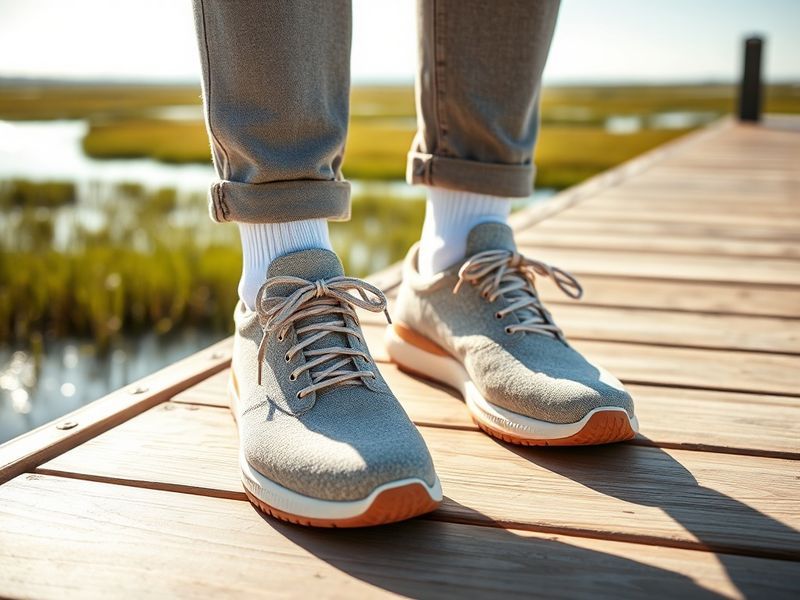
Allbirds began in 2014 as a Silicon Valley startup with an unlikely mission: to create the world’s most comfortable shoes using natural materials. Founders Tim Brown, a former New Zealand soccer player, and Joey Zwillinger, a biotech engineer, combined Brown’s passion for sustainable materials with Zwillinger’s expertise in scalable production. Their first product, the Wool Runners, introduced a wool fabric that felt as soft as athletic socks but could endure daily wear.
The company’s trajectory defied industry norms. While competitors raced to produce cheaper, disposable footwear, Allbirds prioritized environmental impact and wearability. Within five years, the brand expanded from a niche online store to over 35 physical locations worldwide, including flagship stores in San Francisco, New York, London, and Tokyo. Its global appeal stemmed from a simple philosophy: shoes should be better for the planet and the people wearing them.
A Material Revolution in Footwear
Allbirds’ core innovation lies in its material choices. The brand’s signature SweetFoam®, a plant-based ethylene-vinyl acetate (EVA) derived from sugarcane, replaces petroleum-based foams found in most sneakers. This material reduces carbon emissions by up to 48% compared to traditional EVA, according to the company’s Life Cycle Assessment. Other key materials include:
- Merino Wool: Sourced from regenerative farms in New Zealand, this wool is breathable, temperature-regulating, and odor-resistant.
- Eucalyptus Tree Fiber: Used in the Tree Runner collection, this fiber comes from FSC-certified forests and requires minimal water to produce.
- Recycled Plastic Bottles: Polyester yarn in Allbirds’ laces and some uppers is made from post-consumer recycled plastic.
These materials aren’t just eco-friendly—they deliver on performance. The wool naturally wicks moisture, keeping feet dry in humid climates, while the eucalyptus fiber provides a lightweight, cushioned feel. Allbirds’ approach contrasts sharply with the fast-fashion model, where shoes are designed to last months, not years.
Global Expansion and Cultural Adaptation
Allbirds’ growth reflects broader shifts in consumer values, particularly among younger generations. In Europe, where sustainability regulations are stricter, the brand found a receptive audience. Its London store became a hub for eco-conscious shoppers, while partnerships with European retailers like Zalando expanded its reach. In Asia, Allbirds tailored its messaging to local preferences. In Japan, the company emphasized minimalist design and quiet luxury, aligning with the country’s appreciation for understated elegance.
Cultural adaptation extended to collaborations as well. In 2021, Allbirds partnered with Adidas to create a limited-edition sneaker using both brands’ sustainable technologies. The collaboration merged Adidas’ athletic expertise with Allbirds’ eco-credentials, targeting a global sports audience. Meanwhile, in New Zealand, Allbirds collaborated with local Māori artists to incorporate traditional patterns into its shoe designs, blending indigenous culture with modern sustainability.
The Business of Doing Less Harm
Allbirds’ sustainability claims have faced scrutiny, a common challenge for brands positioning themselves as eco-friendly. The company publishes annual sustainability reports, detailing its carbon footprint and progress toward reducing emissions. As of 2023, Allbirds reported a 42% reduction in per-unit carbon emissions since its 2018 baseline. However, critics argue that no shoe can be entirely carbon-neutral, especially when accounting for shipping and retail operations.
The brand’s response has been transparency. Allbirds openly shares its supply chain data, from sheep farms in New Zealand to factories in Vietnam. It also invests in carbon offset programs, though the company emphasizes reducing emissions at the source rather than relying solely on offsets. This approach aligns with broader industry trends, where consumers increasingly demand accountability from brands.
Financially, Allbirds has navigated challenges common to sustainable brands. After going public in 2021 via a direct listing, its stock price fluctuated amid broader market volatility. Yet, the company’s revenue grew by 27% in 2022, driven by strong demand in North America and Europe. Its direct-to-consumer model, which accounts for over 70% of sales, allows for greater control over pricing and customer relationships.
Looking Ahead: The Future of Footwear
Allbirds’ story is more than a business case—it’s a blueprint for how brands can prioritize sustainability without sacrificing performance or style. As climate regulations tighten and consumers become more discerning, the footwear industry faces pressure to innovate. Allbirds’ competitors, from traditional athletic brands to emerging eco-labels, are now racing to adopt similar materials and practices.
The brand’s next frontier may lie in scaling its innovations. In 2023, Allbirds announced plans to expand its SweetFoam® production, aiming to replace 100% of petroleum-based foams in its shoes by 2025. It’s also exploring bio-based alternatives for other shoe components, such as glues and dyes. These efforts could set new industry standards, much like Allbirds did with its initial wool sneakers.
For consumers, Allbirds represents a choice—a small but meaningful step toward reducing environmental impact. Whether it’s the minimalist aesthetic that appeals to urban professionals or the promise of comfort that resonates with travelers, the brand’s appeal is undeniable. In an era where every purchase feels like a vote for the kind of world we want, Allbirds offers a quiet but powerful alternative.
As the footwear industry evolves, Allbirds’ journey underscores a critical truth: sustainability isn’t a trend. It’s the future—and those who adapt early will define it.