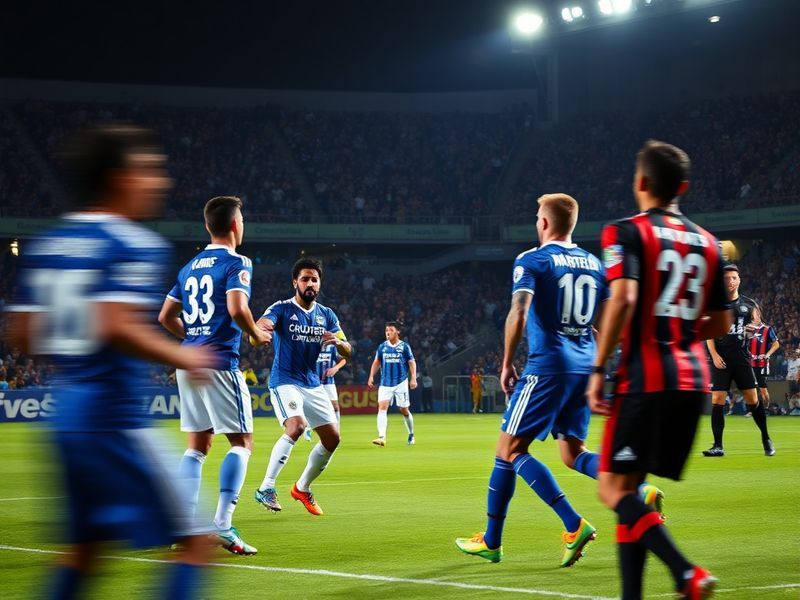
South American club football often delivers unpredictable drama, and the recent clash between Cruzeiro and Universidad Católica was no exception. The two teams, representing Brazil and Chile respectively, faced off in a high-stakes encounter that showcased contrasting styles and tactical nuances. This match wasn’t just about three points—it reflected broader trends in continental football, where South American clubs increasingly blend European tactical discipline with their own flair.
The Context: Why This Match Matters
Cruzeiro entered the game as one of Brazil’s most decorated clubs, with six national titles and a rich history in continental competitions. Universidad Católica, while not as historically dominant, has emerged as a consistent force in Chilean football and a regular participant in the Copa Libertadores. Their recent form, marked by tactical flexibility and young talent, made them a formidable opponent.
The fixture itself was part of the Copa Libertadores group stage, where every point carries significant weight in the race for knockout qualification. For Cruzeiro, a victory would solidify their position as title contenders. For Universidad Católica, a draw or upset would signal their growing ambition on the continental stage. The stakes extended beyond pride—this was a test of South American football’s evolving identity.
Key Storylines Before Kickoff
- Cruzeiro’s Offensive Resurgence: After a slow start to the season, the Brazilian side had begun to rediscover its attacking rhythm under new tactical adjustments.
- Universidad Católica’s Defensive Solidity: The Chilean side was coming off a run of clean sheets, with a backline marshaled by experienced defenders and quick counterattacks.
- Midfield Battle: Both teams featured dynamic midfielders, but Cruzeiro relied on possession dominance, while Católica preferred quick transitions.
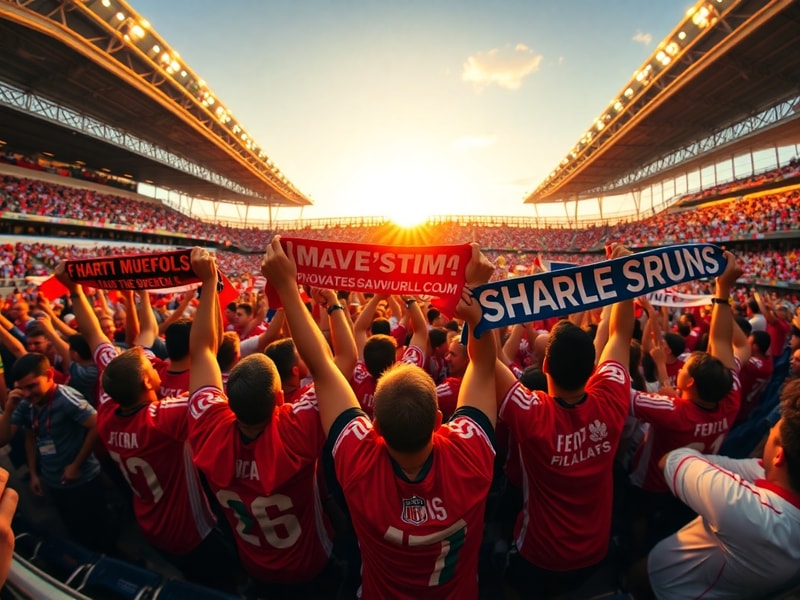
- Home Advantage: Playing at Mineirão in Belo Horizonte, Cruzeiro enjoyed the support of over 50,000 fans, a significant psychological edge.
Match Analysis: Tactical Nuances and Decisive Moments
The game began with Cruzeiro controlling possession, probing Católica’s defensive shape. The Brazilians used a 4-2-3-1 formation, with attacking midfielder Paulo Henrique Ganso orchestrating play from deep. Universidad Católica responded with a compact 4-4-2, absorbing pressure and looking to exploit spaces on the counter.
The first half was cagey, with both teams wary of leaving gaps. Católica nearly took the lead in the 22nd minute when a swift counterattack ended with a shot from outside the box, but Cruzeiro’s goalkeeper made a crucial save. The deadlock held until halftime, with Católica’s defense standing firm and Cruzeiro’s midfield struggling to break through.
Cruzeiro made a tactical adjustment at the break, shifting to a more direct approach with long balls to their target striker. This change paid off in the 58th minute when a cross from the right found the head of striker Rafael Sobis, who powered a header past the Católica goalkeeper. The goal shifted momentum, and Cruzeiro began to dominate possession once more.
Universidad Católica responded by pushing more players forward, but their attacks lacked precision. Cruzeiro’s defense, marshaled by veteran center-back Léo Bonatini, remained disciplined, and the team held on for the 1-0 victory. The result kept Cruzeiro top of their group, while Católica’s hopes of advancing now depended on results elsewhere.
Post-Match Reactions and Implications
Cruzeiro manager Antônio Oliveira praised his team’s resilience, noting that the tactical shift in the second half was crucial. “We knew Católica would sit deep, so we had to adapt,” he said. “The players responded well, and the win proves we can compete at this level.”
Universidad Católica’s coach, Ariel Holan, acknowledged his team’s missed opportunities. “We created chances, but we didn’t finish them,” he admitted. “Cruzeiro is a strong team, and they punished us on the counter.” Holan’s comments underscored Católica’s challenge in breaking down disciplined opponents.
Broader Implications for South American Football
This match was more than just a single result—it reflected broader trends in South American club football. In recent years, clubs from Brazil and Argentina have increasingly adopted European-style tactics, emphasizing possession, pressing, and defensive organization. This evolution has led to greater competitiveness in continental tournaments like the Copa Libertadores, where South American clubs once dominated unchallenged.
Universidad Católica’s approach, while rooted in Chilean tradition, also shows signs of tactical modernization. Their ability to absorb pressure and strike quickly highlights how clubs outside the traditional powerhouses are adapting to remain relevant. Meanwhile, Cruzeiro’s victory demonstrates the importance of flexibility and tactical innovation in modern football.
What This Means for the Copa Libertadores
The group stage of the Copa Libertadores is always unpredictable, but this match served as a reminder of the tournament’s unpredictability. With clubs from across the continent bringing diverse styles and strategies, the competition remains one of the most exciting in world football. For fans, this means more drama, more tactical battles, and more moments that define South American football’s identity.
As the tournament progresses, the balance of power will continue to shift. Clubs like Cruzeiro and Universidad Católica will need to refine their approaches, balancing tradition with innovation to stay ahead. For now, Cruzeiro celebrates a hard-fought win, while Católica looks to regroup and bounce back.
Conclusion: A Reflection of Modern South American Football
The Cruzeiro vs Universidad Católica match was a microcosm of South American football’s evolution. It showcased the tactical sophistication of modern clubs, the importance of adaptability, and the enduring unpredictability of the sport. As South American football continues to grow and change, matches like this one will remain vital in shaping its future.
For fans, the beauty of South American football lies in its unpredictability. Whether it’s Cruzeiro’s resurgence or Católica’s resiliency, the continent’s clubs continue to deliver drama and excitement, proving that tradition and innovation can coexist on the pitch.
As the Copa Libertadores unfolds, one thing is certain: the continent’s clubs will keep pushing boundaries, both tactically and culturally, ensuring that South American football remains a global spectacle.
For more analysis on South American football and tactical trends, visit our Sports and Analysis sections.