The Lyrid meteor shower returns every April, offering stargazers in the UK a fleeting but dazzling display of shooting stars. This annual event, one of the oldest known meteor showers, peaks around April 22-23, providing an accessible cosmic experience for both seasoned astronomers and casual observers. Unlike some celestial phenomena that demand specialized equipment, the Lyrids can be enjoyed with little more than a clear sky and a bit of patience.
What Makes the Lyrids Special?
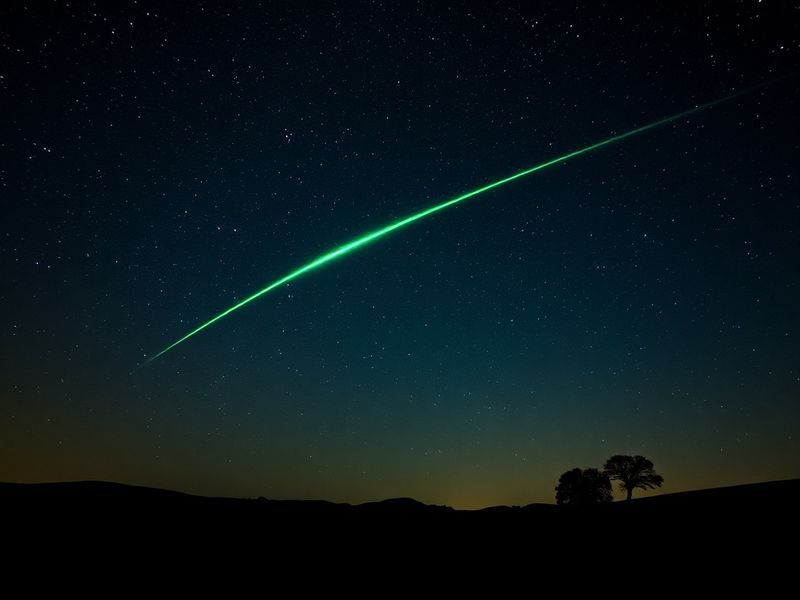
The Lyrid meteor shower originates from the debris trail of Comet Thatcher, which orbits the sun once every 415 years. When Earth passes through this trail each April, tiny particles burn up in our atmosphere, creating streaks of light. These meteors are known for their speed and occasional bright flares called “fireballs,” which can outshine even the brightest stars.
The Lyrids have been observed for over 2,600 years, with the first recorded sighting dating back to ancient China in 687 BCE. This longevity sets them apart from many other meteor showers, which are often younger in astronomical terms. While they typically produce 10-20 meteors per hour at their peak, some years have seen dramatic outbursts with up to 100 meteors visible in an hour—a phenomenon that adds an element of unpredictability to the event.
Peak Viewing Conditions for 2024
This year’s Lyrid meteor shower is expected to peak in the early hours of April 22, with the best viewing window occurring between midnight and dawn. The moon will set around midnight, creating ideal dark-sky conditions for meteor spotting. Observers in rural areas with minimal light pollution will have the clearest views, though even urban stargazers can catch glimpses of the brightest meteors.
Unlike solar eclipses or planetary alignments, meteor showers don’t require precise timing or location to enjoy. The Lyrids appear to radiate from the constellation Lyra, near the bright star Vega, but meteors can streak across any part of the sky. This means you don’t need to locate a specific point in the heavens—just find a comfortable spot, let your eyes adjust to the darkness, and wait.
How to Get the Best View of the Lyrids
Preparation is key to maximizing your Lyrid meteor shower experience. Here’s a step-by-step guide to ensure you don’t miss the show:
- Choose Your Location Wisely: Light pollution significantly reduces visibility. Use tools like the International Dark-Sky Association’s map to find dark-sky preserves or simply head to the countryside. Even a short drive from a city can make a noticeable difference.
- Time Your Observation: The pre-dawn hours typically offer the best viewing, as your location will be on the leading side of Earth as it moves through space. This orientation means you’ll encounter more meteors head-on, creating brighter and more frequent streaks.
- Dress for the Occasion: April nights in the UK can be chilly, especially when sitting still for extended periods. Layer up with warm clothing, blankets, and perhaps a hot drink to stay comfortable. Don’t forget a reclining chair or ground pad to avoid neck strain.
- Minimize Light Interference: Avoid looking at your phone or any other bright lights. If you need to check something, use a red-light flashlight or cover your phone screen with red cellophane to preserve your night vision.
- Be Patient and Observant: It can take up to 30 minutes for your eyes to fully adapt to the darkness. Once adjusted, you’ll start seeing more meteors. Remember, the Lyrids are known for their unpredictability, so occasional lulls in activity are normal.
Photographing the Lyrid Meteor Shower
For those looking to capture the Lyrids on camera, a few key pieces of equipment and settings can make a significant difference. A DSLR or mirrorless camera with a wide-angle lens (14-24mm) is ideal, as it allows you to capture a broad swath of the sky. Set your ISO between 1600 and 6400, depending on your lens aperture and local light pollution levels. A wide aperture (f/2.8 or lower) will help gather more light, while a shutter speed of 10-25 seconds prevents star trails from blurring the meteors.
Use a sturdy tripod and a remote shutter release to avoid camera shake. Many photographers opt for continuous shooting mode to maximize their chances of catching a meteor streaking across the frame. While post-processing can enhance your images, the best meteor photos often come from preparation and persistence.
The Broader Significance of the Lyrids
The Lyrid meteor shower serves as a reminder of our place in the universe. Unlike artificial light shows or digital entertainment, this event connects us to ancient human experiences—people have been gazing at the same stars and meteors for millennia. In an age dominated by screens and urban environments, the Lyrids offer a rare opportunity to disconnect and reconnect with the natural world.
From a scientific perspective, meteor showers like the Lyrids provide valuable data about the composition and behavior of comets. Each streak of light represents a tiny fragment of Comet Thatcher, offering clues about the early solar system. Amateur astronomers contribute to this research by submitting observations to organizations like the Meteor Watch Project, helping scientists track meteor activity and identify potential outbursts.
The Lyrids also play a role in cultural storytelling. In Greek mythology, Lyra is associated with the lyre of Orpheus, and the constellation’s brightest star, Vega, is part of the Summer Triangle. Across different cultures, meteor showers have inspired myths, legends, and even omens. Today, they continue to spark wonder and curiosity, bridging the gap between science and storytelling.
Conclusion: A Simple Yet Profound Experience
The Lyrid meteor shower is a testament to the beauty of simplicity in astronomy. No telescopes, no complex calculations—just a quiet night under the stars and the patience to let the universe reveal itself. Whether you’re a seasoned stargazer or someone looking for their first celestial experience, the Lyrids offer a moment of awe and reflection.
As light pollution continues to encroach on our skies, events like the Lyrids become increasingly important. They remind us of the vastness beyond our planet and the importance of preserving our view of the cosmos. So, mark your calendar for April 22, find a dark spot, and prepare to be amazed by nature’s fireworks.
For more on celestial events and astronomy, visit Dave’s Locker Science category. Explore our Trending section for other captivating stories.