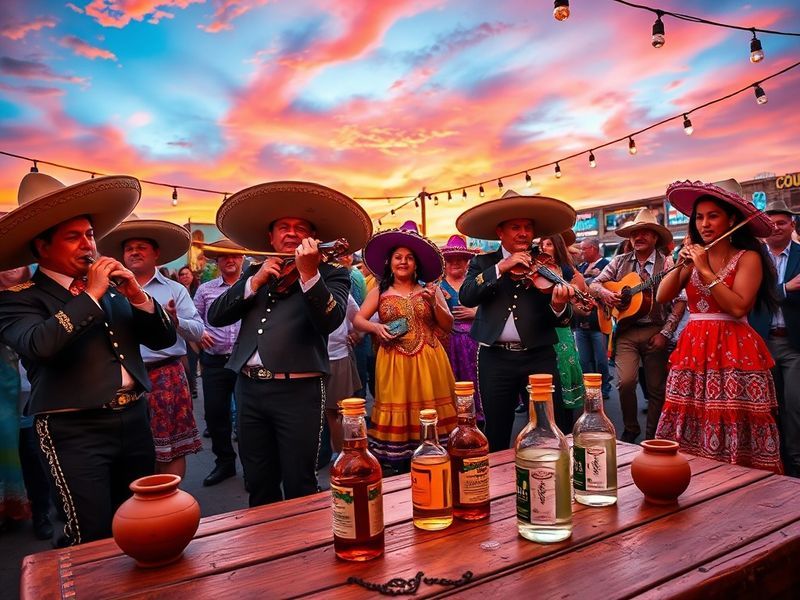
Cinco de Mayo arrives every May 5th with vibrant colors, festive music, and an abundance of tacos. But beyond the parades and parties, the holiday carries a deeper historical significance that often gets overshadowed by commercial celebrations. While many associate the date with Mexican heritage, its origins trace back to a pivotal military victory that reshaped North American history.
The Historical Roots of Cinco de Mayo
On May 5, 1862, near the city of Puebla, a poorly equipped Mexican army defeated the powerful French forces of Napoleon III. The Battle of Puebla marked a David-and-Goliath moment during the Franco-Mexican War, when France sought to establish a colonial empire in Mexico. Though the victory was temporary—the French eventually occupied Mexico City—the battle became a symbol of Mexican resilience and unity.
Contrary to popular belief, Cinco de Mayo is not Mexico’s Independence Day (which falls on September 16). Instead, it commemorates a specific military triumph that resonated far beyond Puebla’s borders. The battle delayed French expansion into North America, giving the United States breathing room during its own Civil War. Some historians argue that without this delay, France might have intervened on behalf of the Confederacy, potentially altering the outcome of the war.
How the Celebration Crossed Borders
Cinco de Mayo gained prominence in the United States during the early 20th century, particularly in California. Mexican-American communities used the occasion to assert their cultural identity amid widespread discrimination. The holiday evolved into a broader celebration of Mexican heritage, especially in regions with large Latino populations.
Today, the observance varies dramatically between Mexico and the U.S. In Puebla, the day is marked with military parades and historical reenactments. Meanwhile, in American cities like Los Angeles and Chicago, it has become a cultural festival featuring music, food, and dance. The commercialization of the holiday has sparked debate—some see it as an opportunity to celebrate diversity, while others criticize it for reducing a historic event to a drinking holiday.
Key Misconceptions About Cinco de Mayo
- It’s not Mexico’s Independence Day. The country’s true independence from Spain is celebrated on September 16.
- It’s not widely celebrated across Mexico. Outside of Puebla, the holiday holds limited significance.
- It’s more prominent in the U.S. than in Mexico. American celebrations often overshadow its historical context.
- It’s not just about margaritas. While many associate it with parties, its roots are deeply political and military.
Why the Holiday Matters Today
The legacy of Cinco de Mayo extends beyond history books. It serves as a reminder of how cultural narratives can shift when they cross borders. For Mexican-Americans, the holiday represents a connection to their heritage and a form of resistance against erasure. In classrooms across the U.S., educators use the date to teach about Mexican history, often highlighting the contributions of Indigenous and mixed-race soldiers in the Battle of Puebla.
Yet, the holiday also reflects broader tensions around cultural appropriation. Commercialized versions of Cinco de Mayo—complete with sombrero-wearing promotions and tequila discounts—can trivialize its significance. Some businesses have faced backlash for hosting events that reduce Mexican culture to stereotypes. Meanwhile, activists argue that deeper education about the holiday’s origins could foster greater understanding.
For those interested in exploring Mexican-American culture beyond Cinco de Mayo, Dave’s Locker’s Culture section offers insights into traditions, art, and social movements shaping Latino communities. Similarly, the Entertainment section features profiles of artists and creators who redefine cultural narratives in the modern era.
A More Meaningful Way to Celebrate
Rather than dismissing Cinco de Mayo as just another party holiday, consider embracing its historical weight. Attend local events that emphasize education, such as museum exhibits or lectures on the Franco-Mexican War. Support Mexican-owned businesses, from restaurants to bookstores, that highlight authentic cultural contributions.
For those hosting gatherings, incorporating historical context—like discussing the Battle of Puebla or playing traditional music from the era—can elevate the celebration beyond tacos and tequila. The holiday’s story is one of perseverance, and in uncertain times, its message remains relevant.
As we mark another Cinco de Mayo, the challenge lies in balancing festivity with respect for the past. Whether through education, activism, or simply raising a glass to the unsung heroes of Puebla, the day offers a chance to honor history while celebrating the vibrant cultures it has inspired.