From Local Obsession to Global Curiosity: The Rise of MAFS Australia
Australia’s dating landscape has always been vibrant, but few shows have reshaped it as dramatically as Married At First Sight—commonly known as MAFS Australia. Premiering in 2015, the reality series thrust complete strangers into marriage after just one meeting, testing compatibility through real-world challenges, therapy sessions, and the ultimate test: whether love could bloom under artificial conditions. What started as a niche experiment quickly became a cultural talking point, blending psychology with spectacle in a way few formats dared to.
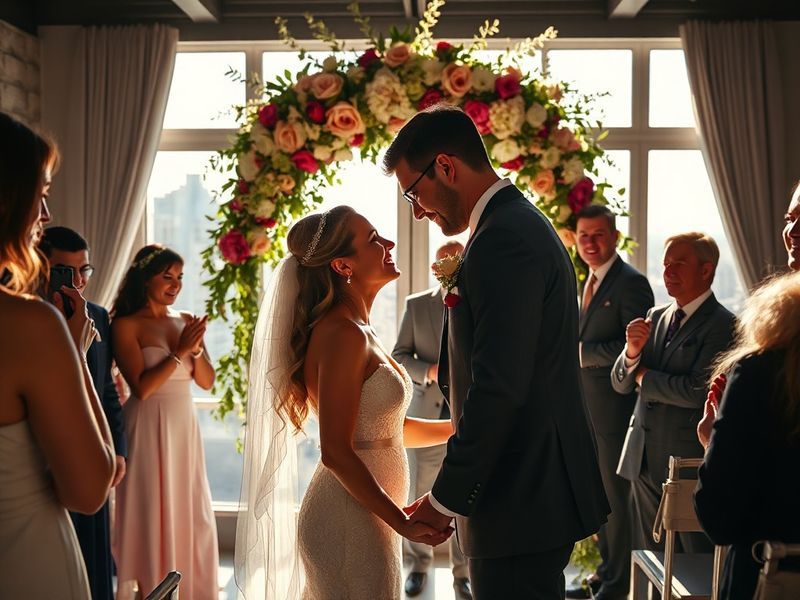
Unlike traditional dating shows, MAFS Australia doesn’t just pit contestants against each other—it places them in a pressure cooker of emotional vulnerability. The premise is simple: 10 strangers meet on their wedding day, marry immediately, and move in together while experts and cameras dissect every argument, kiss, and breakdown. The show’s raw authenticity became its defining feature, drawing viewers who craved more than just scripted romance. By Season 2, it had already become a ratings juggernaut, averaging over a million viewers per episode in Australia alone, a figure that would have been unthinkable for a reality show just a decade prior.
The Format That Broke the Mold
MAFS Australia owes much of its success to its unflinching approach to modern relationships. The show’s producers, working with clinical psychologists, designed a format that forced participants—and audiences—to confront uncomfortable truths about love, commitment, and societal expectations. Unlike traditional dating shows that rely on contrived drama, MAFS Australia thrived on real-time breakdowns, with couples often dissolving within weeks of their vows. This unpredictability kept viewers hooked, transforming the series into a social experiment as much as entertainment.
The show’s structure is meticulously planned, yet its outcomes remain volatile. Contestants undergo psychological evaluations before filming, but the real test comes when they’re dropped into a shared house with their new spouse—complete with in-house experts monitoring their every move. The presence of therapists like Dr. John Aiken and Dr. Trisha Stratford lent the show an air of legitimacy, blurring the line between therapy session and reality TV. This duality became a key selling point, attracting not just casual viewers but also relationship experts and skeptics alike.
Cultural Impact: Love, Drama, and the Australian Psyche
MAFS Australia didn’t just entertain—it reflected and, in some ways, influenced Australian attitudes toward marriage and commitment. In a country where divorce rates hover around 40%, the show presented a stark counterpoint: could love survive when stripped of dating rituals and rushed into marriage? The answer, more often than not, was no. Yet this failure became part of the show’s allure. Audiences tuned in not just to root for happy endings but to witness the messy, human reality of relationships under scrutiny.
The show’s cultural footprint extended beyond Australia’s borders. International versions popped up in the UK, the US, and Scandinavia, each adapting the format to local sensibilities. Yet none replicated the raw, unfiltered energy of the Australian original. Part of this stems from the country’s famously blunt communication style and its culture of “tall poppy syndrome”—where success is often met with skepticism, and vulnerability is worn like a badge of honor. MAFS Australia leaned into this, making its contestants’ flaws as central to the story as their potential triumphs.
Critics have argued that the show exploits personal struggles for entertainment, particularly when couples face public scrutiny over infidelity or incompatibility. Yet defenders point to the show’s transparency: participants are adults who sign contracts knowing full well the stakes. The drama, they argue, is a byproduct of real people navigating real emotions—albeit under a microscope.
Controversies and Ethical Debates
No discussion of MAFS Australia would be complete without addressing its controversies. The show has faced repeated criticism for its handling of contestants’ mental health, particularly in cases where participants later spoke out about emotional distress post-filming. In 2019, former contestant Elizabeth Kennett revealed she had been diagnosed with PTSD after her season, sparking a wider conversation about the ethical responsibilities of reality TV producers.
Producers have since implemented stricter psychological support measures, including mandatory post-show check-ins. Yet questions linger: Can a show that thrives on emotional extremes ever truly prioritize well-being over drama? The answer likely lies in the hands of the audience, whose insatiable appetite for conflict continues to shape the format’s future.
Another recurring controversy involves the show’s portrayal of LGBTQ+ relationships. While later seasons have included same-sex pairings, early seasons were criticized for sidelining queer narratives. Recent seasons have made strides in representation, reflecting broader shifts in societal acceptance—though some argue the progress remains uneven.
The Future of MAFS Australia: Where Does It Go From Here?
As reality TV evolves, so too does MAFS Australia. The show has experimented with spin-offs, including MAFS: The First Year, which follows couples beyond the show’s immediate aftermath, and MAFS: On the Couch, a post-show analysis featuring experts breaking down the season’s most dramatic moments. These expansions suggest the franchise is keen to move beyond its original format while retaining its core appeal.
Yet the show’s longevity hinges on one critical question: Can it keep reinventing itself without losing its essence? The answer may lie in its ability to balance spectacle with substance. As audiences grow savvier about reality TV tropes, authenticity becomes more valuable than ever. MAFS Australia’s willingness to air its dirty laundry—quite literally, in some cases—has kept it relevant, but the challenge now is to deepen its emotional resonance without relying solely on shock value.
One potential path forward is a greater focus on the “aftermath” of the show. Many former contestants have leveraged their MAFS fame into careers in media, activism, or even politics, using their platform to discuss relationships, mental health, and societal expectations. Highlighting these stories could shift the narrative from “Who will stay married?” to “How does this experience change people’s lives?”—a shift that might resonate even more deeply with viewers.
Why MAFS Australia Matters in the Global Reality TV Landscape
MAFS Australia’s success is a testament to the global appetite for unscripted drama that feels real. In an era where social media presents curated perfection, the show offers something raw and unfiltered—a reminder that love isn’t always pretty, and relationships aren’t always easy. Its influence can be seen in the rise of other experimental dating formats, from competitive romance shows to podcasts dissecting modern love.
Yet the show’s true legacy may be its role in normalizing conversations about relationships. By airing its participants’ struggles so publicly, MAFS Australia has forced audiences to confront their own biases about marriage, compatibility, and the pressures of modern dating. Whether it’s inspiring couples to seek therapy or prompting singles to rethink their approach to love, the show’s impact extends far beyond its runtime.
As it enters its tenth season, MAFS Australia shows no signs of slowing down. If anything, its cultural footprint continues to grow, proving that sometimes, the most compelling stories aren’t the ones we script—but the ones we live.
For better or worse, MAFS Australia has redefined what it means to fall in love on camera. And in a world saturated with reality TV, that’s no small feat.