Why the “Convenience Store Near Me” Stays Relevant Across Cultures
The convenience store is more than just a place to grab a snack or a pack of gum. It’s a global institution—a small footprint in the urban landscape that adapts to local needs while maintaining its core purpose: immediate access to essentials. From the family-owned bodega in New York to the 24-hour konbini in Tokyo, the convenience store near me serves as a lifeline for millions of people every day.
Its enduring appeal lies in its simplicity. Customers don’t need an app or a reservation. They walk in, grab what they need, and leave—often within minutes. This efficiency has made convenience stores a cornerstone of modern urban living, evolving far beyond their original purpose of selling cigarettes and soda.
The Cultural Role of Convenience Stores Around the World
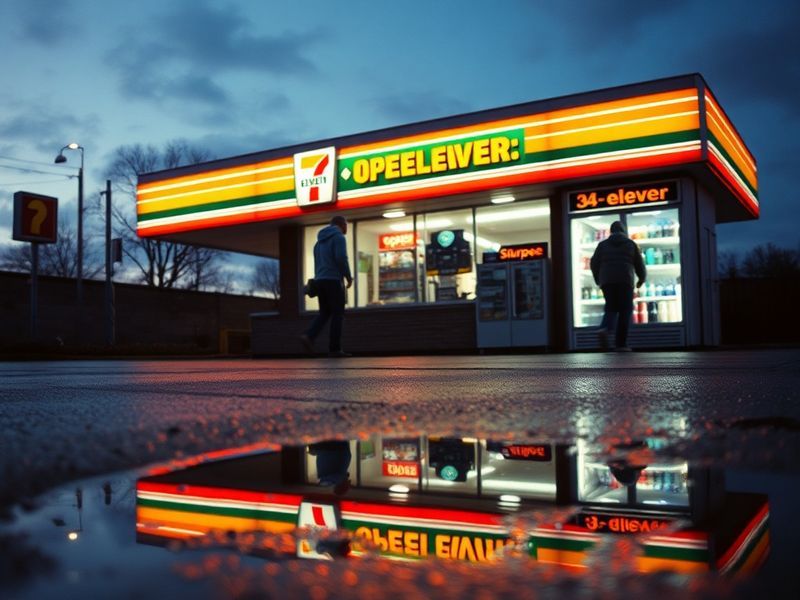
In Japan, the konbini is a cultural phenomenon in its own right. Chains like 7-Eleven, FamilyMart, and Lawson don’t just sell products—they offer services ranging from bill payments to package delivery, even hot meals prepared on-site. The konbini is so ingrained in daily life that it’s not uncommon for people to refer to it as a second home. Its clean, well-lit spaces and polite staff create an atmosphere of trust and reliability.
In Mexico, the tienda de la esquina is more than a store; it’s a social hub. Neighbors stop by not just for purchases but to chat, catch up on local news, or ask for small favors. The owner often knows customers by name and may extend credit to regulars in tough times. This personal touch transforms a simple transaction into a community ritual.
Meanwhile, in Scandinavian countries, convenience stores like 7-Eleven and R-Kioski blend minimalism with functionality. They cater to the fast-paced lifestyle of urban professionals who need quick access to coffee, sandwiches, and public transit tickets. The design is sleek, the products are curated, and the experience is streamlined—reflecting the region’s emphasis on efficiency and design.
How Technology Is Reshaping the Convenience Store Experience
The rise of digital tools has transformed how convenience stores operate. Mobile apps now allow customers to pre-order items, skip the line, or even pay without interacting with a cashier. In China, platforms like Alipay and WeChat Pay have made cash nearly obsolete, turning many convenience stores into cashless zones where transactions happen with a QR code scan.
Automated checkout systems are also gaining traction. Stores like Amazon Go in the U.S. use sensors and AI to track purchases without traditional cashiers. While this technology is still in early stages, it hints at a future where the “convenience store near me” could operate with minimal human staff—relying instead on algorithms and cameras.
Yet, not all change is digital. Some convenience stores are doubling down on hyper-localization, stocking products tailored to the neighborhood’s demographics. A store in a college town might prioritize energy drinks and ramen, while one in a business district focuses on grab-and-go lunches and premium coffee. This adaptability keeps the model fresh and relevant.
Challenges Facing the Modern Convenience Store
Despite their resilience, convenience stores face growing challenges. Rising rents in urban areas squeeze profit margins, forcing many small operators to close. Large chains, meanwhile, are expanding aggressively, squeezing out independents. The competition is fierce, with supermarkets and pharmacies also selling convenience items at competitive prices.
Another challenge is sustainability. Single-use plastics, excessive packaging, and food waste are under scrutiny. Many chains are responding by introducing compostable containers, reducing plastic straws, or donating unsold food to shelters. The pressure to go green is reshaping how these stores operate—and how customers perceive them.
Employee retention is also a concern. The convenience store workforce is often transient, with high turnover rates due to long hours and low wages. Some chains are addressing this by offering better benefits, career advancement opportunities, or even partnering with local schools for workforce training programs.
What the Future Holds for the “Convenience Store Near Me”
The convenience store isn’t going anywhere, but its role is evolving. In some cities, it’s becoming a hybrid space—part store, part café, part community center. Think of a store that offers a quiet corner with Wi-Fi, a selection of local artisan goods, or even a small library of free books. These experiments aim to make the convenience store a destination rather than just a pit stop.
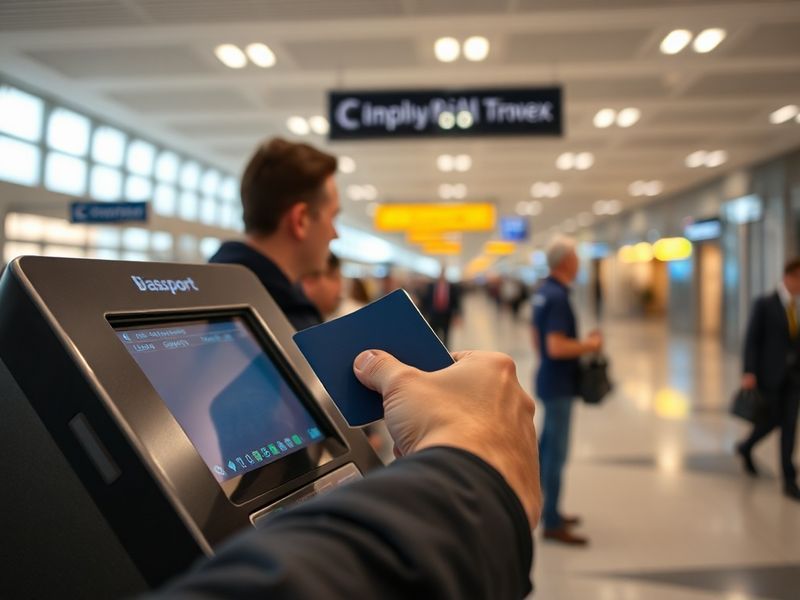
Globally, the trend toward micro-retail is growing. Pop-up convenience stores in airports, transit hubs, and office buildings cater to niche audiences with specialized products. Meanwhile, ghost kitchens—delivery-only food prep spaces—are partnering with convenience chains to offer fresh meals without the overhead of a full-service kitchen.
The key to survival will be flexibility. Stores that can adapt to local needs, embrace technology without losing the human touch, and prioritize sustainability will thrive. The convenience store near me may look different in a decade, but its core value—providing quick, reliable access to essentials—will remain unchanged.
Why the Convenience Store Still Matters
In an era of same-day delivery and endless online options, the convenience store stands out for its immediacy and tangibility. There’s no waiting for a drone to arrive or navigating a website’s endless menus. You walk in, grab what you need, and leave. It’s a simple concept, but one that continues to serve a vital function in societies worldwide.
Whether it’s the familiar hum of a neon sign in New York, the quiet efficiency of a Tokyo konbini, or the bustling social energy of a Mexican tienda, the convenience store is a testament to how commerce adapts to culture. It’s not just a place to buy things—it’s a place to belong.
Next time you duck into the “convenience store near me,” take a moment to appreciate the history, innovation, and community woven into those four walls. It’s more than a store. It’s a cornerstone of modern life.