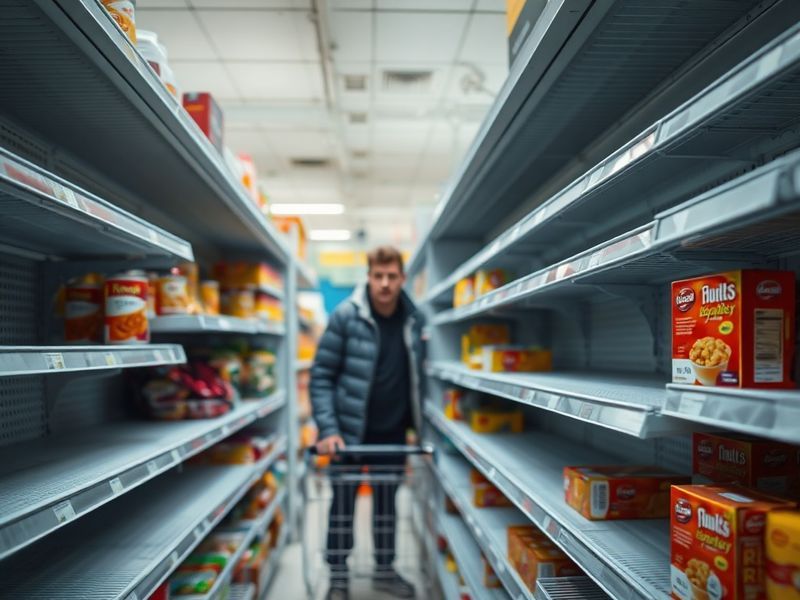
The United Kingdom’s food supply chains have faced unprecedented challenges in recent years. From empty supermarket shelves to rising food prices, the effects of supply disruptions are reshaping how Britons shop and eat. These shortages aren’t just a domestic issue—they reflect broader global trends influenced by climate change, geopolitical tensions, and economic instability.
To understand the UK’s situation, we must first examine the interconnected factors driving food insecurity. While some shortages stem from local production gaps, others originate thousands of miles away, illustrating how deeply global systems influence daily life in Britain.
The Root Causes Behind UK Food Shortages
Several key factors contribute to the UK’s food supply challenges. The most immediate cause was the COVID-19 pandemic, which exposed vulnerabilities in just-in-time delivery models. Border closures and labor shortages disrupted imports of fresh produce, meat, and processed goods. But the pandemic was only the beginning.
Brexit introduced new trade barriers, complicating the flow of goods between the UK and the European Union. Customs checks, regulatory divergence, and increased paperwork slowed down deliveries, particularly for perishable items. Some food producers reduced exports to the UK, prioritizing more stable EU markets instead.
Climate change has also taken a toll. Extreme weather events—such as the 2022 drought in Europe and the 2023 floods in Spain—damaged crops critical to UK supply chains. Spain, a major supplier of fresh vegetables, saw tomato and lettuce harvests drop by nearly 40% in some regions. Meanwhile, domestic agriculture grapples with rising energy costs and labor shortages, particularly in seasonal farming sectors.
Global Factors Amplifying the Crisis
The UK’s food shortages cannot be viewed in isolation. They are part of a wider global imbalance between supply and demand. The war in Ukraine, a major exporter of wheat and sunflower oil, removed millions of tons of food from the market. This sent shockwaves through global commodity prices, making staples like bread and cooking oil more expensive worldwide.
Supply chain bottlenecks in Asia and the Americas have further strained availability. Shipping delays, port congestion, and container shortages—issues that began during the pandemic—continue to disrupt deliveries. In 2023, the cost of transporting a single 40-foot container from Asia to Europe surged to over £5,000, nearly triple pre-pandemic levels.
These global pressures disproportionately affect low-income households in the UK. Families already struggling with inflation and rising energy bills now face weekly food budgets that stretch thinner than ever before. According to the Trussell Trust, food bank usage in the UK increased by 37% between 2021 and 2023.
How Supermarkets and Consumers Are Responding
UK supermarkets have adopted a mix of short-term fixes and long-term strategies. Many have increased stockpiling of essential items, though this runs counter to the industry’s decades-long lean inventory model. Some chains now limit purchases of key products like pasta, rice, and flour to prevent hoarding.
Retailers are also diversifying supply sources. Tesco and Sainsbury’s have increased sourcing from non-EU countries such as Morocco, Egypt, and Peru to reduce reliance on Europe. Meanwhile, UK farmers are being encouraged to expand production of high-demand crops like potatoes and carrots.
Consumers, too, are adapting. A 2023 survey by the Food Standards Agency found that 42% of Britons have changed their shopping habits due to food availability concerns. Many now prioritize frozen foods over fresh, opt for cheaper store brands, or reduce meat consumption—part of a broader shift toward plant-based diets.
The Rise of Local Food Initiatives
In response to shortages, community-led food initiatives have gained momentum. Urban farms, food co-ops, and allotment schemes are proliferating across cities. In London, projects like Growing Communities in Hackney and the Capital Growth network support local food production and distribution.
These initiatives not only improve access to fresh produce but also foster resilience. By shortening supply chains, they reduce dependence on imports and mitigate the impact of global disruptions. They also strengthen community bonds, turning food scarcity into a catalyst for local action.
Policy and Systemic Change: What’s Being Done?
Government response has been slow and fragmented. While the Department for Environment, Food & Rural Affairs (DEFRA) has pledged £270 million to support farmers, critics argue that more systemic change is needed. The National Food Strategy, published in 2021, called for a ten-year plan to transform the UK’s food system, but implementation has been uneven.
One area of focus is labor. The food and farming sector relies heavily on seasonal migrant workers, particularly from Eastern Europe. Post-Brexit restrictions on visas have reduced this workforce, leading to unharvested crops and wasted produce. The Seasonal Workers Visa route has been expanded, but many farmers say it remains insufficient.
Another priority is food waste reduction. The UK wastes 9.5 million tonnes of food annually—enough to feed millions. Initiatives like the Courtauld Commitment aim to cut food waste by 50% by 2030, but progress has been slow. Supermarkets like M&S and Waitrose have introduced “ugly” produce lines and surplus food redistribution programs, but systemic change requires broader industry participation.
Looking Ahead: Can the UK Build a Resilient Food Future?
The path forward requires balancing immediate relief with long-term transformation. Diversifying supply chains, investing in domestic agriculture, and reforming labor policies are critical steps. But the deeper challenge lies in rethinking the UK’s food system entirely—shifting from a model of efficiency and cost-cutting to one of resilience and equity.
This shift is already visible in policy circles. The 2023 Food Security Index, published by the University of Leeds, ranked the UK 16th out of 150 countries in food security—a drop from previous years. The report emphasized the need for stronger domestic production, better infrastructure, and fairer distribution.
For consumers, the message is clear: adaptability is key. Whether through changing diets, supporting local producers, or advocating for policy reform, individuals play a role in shaping the future of food in the UK.
Conclusion: A Call for Collective Action
The UK’s food shortages are not just a logistical problem—they are a symptom of deeper systemic issues. Climate change, geopolitical instability, and economic inequality are reshaping how we feed ourselves. While the challenges are daunting, they also present an opportunity to build a more sustainable and equitable food system.
This transformation will require collaboration across sectors: government, industry, farmers, and communities. It will demand innovation, investment, and a willingness to challenge long-held assumptions about how food is produced and distributed.
For now, the shelves may not always be full. But the response to this crisis—whether through local gardens, policy reform, or consumer choices—offers a glimpse of what a more resilient food future could look like.
To learn more about sustainable food initiatives in the UK, visit our Food & Nutrition section, where we explore community-led solutions and policy updates.