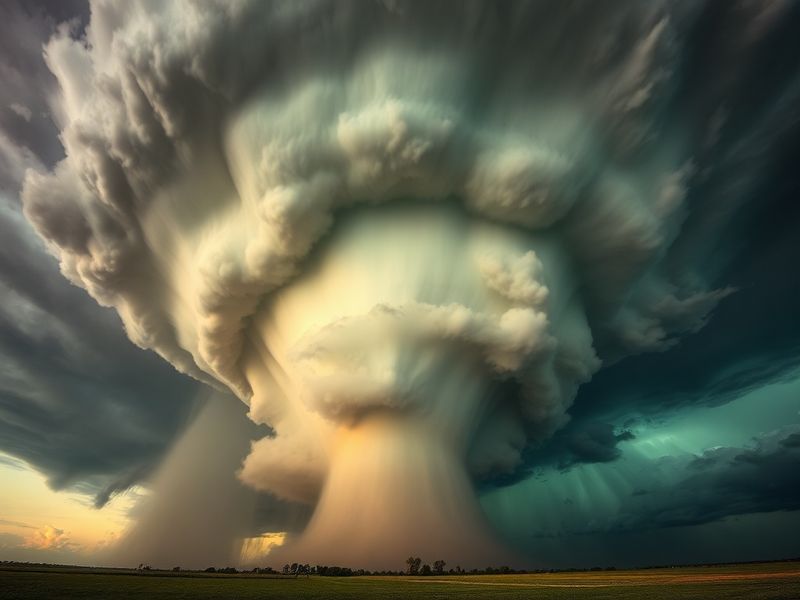
Severe Weather Outlook: What to Expect This Season
“`html
Severe Weather Outlook: What to Expect in the Coming Months
The National Oceanic and Atmospheric Administration (NOAA) has released its latest severe weather outlook, painting a complex picture for the upcoming months. With shifting climate patterns and lingering atmospheric anomalies, forecasters are urging preparedness across multiple regions. While some areas brace for above-average storm activity, others may see unexpected calm—underscoring the unpredictability of modern meteorology.
The outlook arrives amid growing concerns about climate change’s influence on weather systems. Warmer ocean temperatures and shifting jet streams are creating conditions ripe for both intensified storms and prolonged dry spells. Emergency management teams are already reviewing response plans, particularly in high-risk zones where infrastructure remains vulnerable.
Regional Breakdown: Where Storms May Strike
The Midwest and Great Plains face an elevated risk of severe thunderstorms and tornadoes through early summer. NOAA’s Storm Prediction Center has highlighted areas from Texas to the Dakotas as particularly susceptible. Meteorologists point to a lingering La Niña pattern, which historically increases wind shear—a key ingredient for violent twisters.
Along the Gulf Coast, the threat of tropical systems looms large. Forecasters anticipate an active hurricane season, with Colorado State University projecting 17 named storms, including eight hurricanes. Storm surge and flooding remain top concerns for coastal communities still recovering from previous seasons’ devastation. Emergency officials recommend reviewing evacuation routes and securing property before June 1, the official start of the Atlantic hurricane season.
The Southwest continues its battle with prolonged drought conditions. While severe storms may bring temporary relief, the region faces long-term water supply challenges. Arizona and New Mexico are particularly vulnerable, with soil moisture levels at historic lows. Firefighting agencies are already positioning resources ahead of what could be another intense wildfire season.
Key Factors Influencing the Outlook
Several atmospheric conditions are converging to shape this year’s severe weather patterns. The Madden-Julian Oscillation, a tropical weather cycle, is currently in a phase that suppresses storm development in the Pacific while fueling activity in the Atlantic. Meanwhile, unusually warm waters in the Gulf of Mexico provide ample moisture for developing systems.
Climate scientists note that rising global temperatures are intensifying the water cycle. Warmer air holds more moisture, leading to heavier rainfall events when storms do form. This phenomenon explains why some areas may see flash flooding even in regions not typically prone to such risks.
The Arctic Oscillation also plays a role. When it shifts into a negative phase—as it has in recent weeks—cold air outbreaks become more likely in the eastern U.S., increasing the potential for ice storms and heavy snowfall in late spring. This contrasts with the early-season warmth expected in the West.
Preparedness: How Communities Can Stay Safe
Emergency preparedness takes on new urgency when severe weather outlooks suggest heightened risks. The Federal Emergency Management Agency (FEMA) recommends that households maintain at least a three-day supply of food, water, and medications. Power outages remain a major concern during severe storms, making battery-powered devices and backup chargers essential.
For those in tornado-prone areas, identifying the safest shelter is critical. Basements or interior rooms on the lowest floor provide the best protection. Residents should also establish a communication plan with family members, as cell networks often fail during major storms.
Urban areas face unique challenges during severe weather. Flash flooding can overwhelm drainage systems, particularly in cities with aging infrastructure. Philadelphia’s Office of Emergency Management has launched a campaign encouraging residents to clear storm drains and report clogged catch basins immediately.
Technology’s Role in Weather Prediction and Response
Advancements in meteorological technology are improving forecast accuracy, though challenges remain. High-resolution satellite imagery now provides real-time data on storm development, while machine learning models analyze patterns to predict tornado formation hours in advance. The Science section of Dave’s Locker explores these innovations in greater detail.
Drones equipped with weather sensors are being deployed to gather data from within hurricanes, offering insights that were previously impossible. These unmanned aircraft can measure wind speeds and pressure changes at the storm’s core, information that directly improves intensity forecasts.
On the ground, automated weather stations provide hyperlocal data that helps emergency responders deploy resources more efficiently. Cities like Houston have installed hundreds of these stations, creating a network that alerts officials to flooding or extreme winds before they become widespread threats.
Long-Term Implications: Climate Change and Severe Weather
The connection between climate change and severe weather grows clearer with each passing year. Research published in the Journal of Climate indicates that the frequency of Category 4 and 5 hurricanes has increased by about 25–30% per degree Celsius of global warming. This trend suggests that future seasons may bring storms of unprecedented intensity.
Inland flooding is also becoming more common. A study by the University of Iowa found that heavy rainfall events in the Midwest have increased by 40% since 1960. The trend aligns with projections from the Intergovernmental Panel on Climate Change (IPCC), which warns that such changes will continue without significant emissions reductions.
Urban heat islands exacerbate summer risks, particularly in densely populated areas. Cities like Chicago have seen a rise in heat-related illnesses during prolonged heatwaves, prompting officials to expand cooling centers and public health campaigns. The Health section of Dave’s Locker covers these developments in greater depth.
Economic and Social Costs of Severe Weather
The financial toll of severe weather events has reached record levels. According to the reinsurance company Swiss Re, global natural disaster losses exceeded $100 billion in 2023, with severe storms accounting for nearly half of that total. Agricultural sectors are particularly vulnerable, as droughts and hailstorms destroy crops worth billions annually.
Insurance markets are responding by raising premiums in high-risk areas. In Florida, some homeowners now face annual insurance costs exceeding $6,000—a tenfold increase from a decade ago. This financial strain has led to debates about the role of government in subsidizing risk and the ethics of building in flood-prone or wildfire-susceptible regions.
Socially, severe weather disproportionately affects low-income communities. These populations often reside in poorly constructed housing or areas with inadequate infrastructure, leaving them more exposed to storms and slower to recover. Advocacy groups are calling for policies that address these disparities, including stronger building codes and expanded disaster relief programs.
As we move further into the year, the severe weather outlook serves as a reminder of nature’s power and unpredictability. While technology and preparedness can mitigate some risks, the broader challenges posed by climate change demand collective action. Communities must adapt to changing conditions while advocating for policies that address the root causes of these extreme events.
For ongoing updates on severe weather developments, follow trusted sources like NOAA and the National Weather Service. Staying informed remains the most effective tool for navigating the challenges ahead.