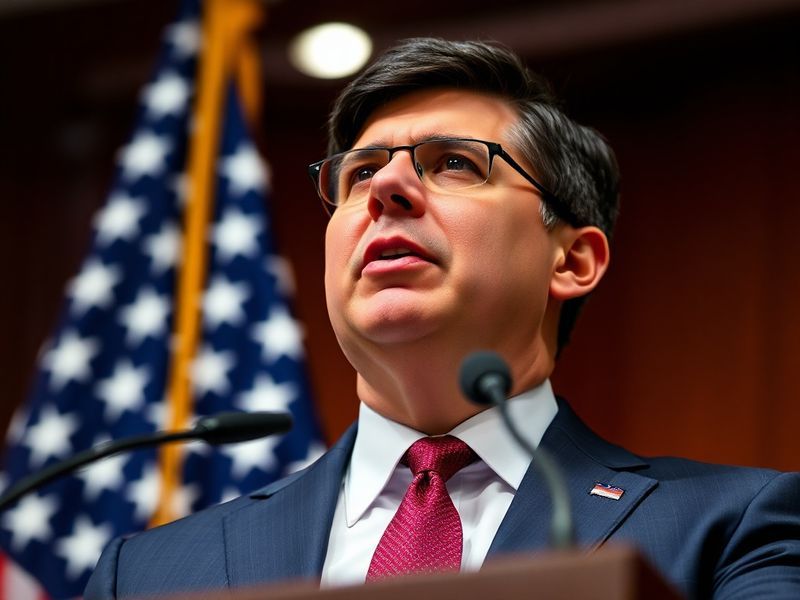
Xavier Becerra’s Impact as California’s Attorney General Explored
“`html
Xavier Becerra: A Profile of California’s Top Prosecutor
Xavier Becerra has spent decades in public service, shaping California’s legal landscape as the state’s Attorney General. His tenure has been marked by high-profile cases, progressive policies, and a willingness to challenge federal authority when necessary. Understanding Becerra’s career provides insight into the evolution of law enforcement priorities in one of America’s most populous states.
Born in Sacramento to immigrant parents from Mexico, Becerra’s early life was marked by both opportunity and adversity. His father worked as a construction laborer while his mother helped manage the household. This upbringing instilled in him a deep appreciation for public service and the American Dream. After graduating from Stanford University with a degree in economics, he earned his law degree from Stanford Law School, setting the stage for his political ambitions.
Early Political Career and Congressional Service
Becerra’s political journey began in 1990 when he was elected to represent California’s 30th congressional district. He served in the U.S. House of Representatives for nearly 24 years, earning a reputation as a pragmatic legislator who worked across party lines. During his time in Congress, he focused on immigration reform, healthcare access, and economic development in underserved communities.
His congressional record includes co-sponsoring the DREAM Act multiple times, demonstrating his commitment to immigration policy reform. Becerra also played a key role in expanding healthcare coverage for low-income families through Medicaid expansions. These efforts established him as a champion for progressive causes long before his statewide office.
Key Legislative Achievements in Congress
- Healthcare Advocacy: Co-sponsored the Affordable Care Act and worked to expand Medicaid eligibility in California
- Immigration Reform: Introduced multiple versions of the DREAM Act to provide pathways for undocumented youth
- Economic Development: Secured federal funding for infrastructure projects in underserved California communities
- Education Funding: Supported increased Pell Grant allocations and student loan relief programs
Transition to Statewide Office
After serving in Congress, Becerra made the transition to state government when Governor Jerry Brown appointed him Attorney General in December 2016. The appointment came after Kamala Harris’s election to the U.S. Senate, creating a vacancy in California’s top law enforcement position. Becerra’s selection marked the first time a Latino would serve as California’s Attorney General.
His confirmation process was notably smooth, with bipartisan support in the California Legislature. This reflected both his respected reputation in Sacramento and the political dynamics of the time. As Attorney General, Becerra inherited a department with nearly 5,000 employees and a $1.2 billion budget, overseeing legal matters affecting 39 million residents.
Immediate Challenges Upon Taking Office
The first months of Becerra’s tenure were dominated by several major challenges:
- Federal-State Tensions: The Trump administration’s immigration policies created immediate conflicts with California’s sanctuary state laws
- Environmental Litigation: Defending California’s environmental regulations against federal rollbacks became a primary focus
- Consumer Protection: Addressing the fallout from the Wells Fargo fake accounts scandal required immediate action
- Criminal Justice Reform: Implementing Proposition 47 and Proposition 57 implementation required new legal strategies
High-Profile Cases and Legal Battles
As Attorney General, Becerra has been involved in some of the most consequential legal battles in the country. His office has filed over 100 lawsuits against the Trump administration, positioning California as a national leader in opposing federal policies. These cases have covered immigration, healthcare, environmental regulations, and consumer protections.
One of his most visible cases involved defending California’s net neutrality law after the federal government repealed national protections. Becerra’s office successfully defended the state’s law in court, setting a precedent for other states considering similar measures. This case demonstrated his willingness to take on complex technology policy issues.
In the healthcare arena, Becerra led a coalition of states defending the Affordable Care Act against Republican repeal efforts. His office argued before the U.S. Supreme Court in California v. Texas, successfully preserving healthcare coverage for millions of Americans. This case became one of the defining legal battles of his tenure.
Environmental Stewardship Through Litigation
Environmental protection has been another major focus of Becerra’s legal strategy. His office has filed numerous lawsuits against the fossil fuel industry, challenging practices that contribute to climate change. These cases have targeted companies responsible for groundwater contamination, air pollution, and failure to disclose environmental risks.
In 2020, Becerra reached a landmark settlement with automakers including Ford, Honda, and Volkswagen. The agreement required these companies to meet California’s strict vehicle emissions standards, even as the federal government attempted to roll back regulations. This case demonstrated his innovative approach to environmental enforcement.
Policy Priorities and Controversies
Beyond litigation, Becerra has pursued several policy initiatives as Attorney General. His office has prioritized criminal justice reform, particularly in addressing racial disparities in sentencing and policing. Becerra created a Racial Justice Bureau within the Department of Justice to examine systemic inequities in the criminal justice system.
However, his tenure has not been without controversy. Some critics argue that his aggressive litigation strategy has created unnecessary conflicts with the federal government. Others point to his handling of police misconduct cases, where some families of victims felt his office did not pursue cases aggressively enough. These debates reflect the complex nature of his role as both a law enforcement official and a progressive advocate.
Balancing Progressive Values with Legal Realities
Becerra’s approach often involves navigating between idealism and practical legal constraints:
- Criminal Justice: Pushing for reform while maintaining public safety priorities
- Immigration: Defending sanctuary policies while cooperating with federal enforcement on certain crimes
- Consumer Protection: Taking on corporate misconduct while avoiding overreach that could harm economic growth
- Environmental Policy: Setting ambitious climate goals while working within existing legal frameworks
Looking Ahead: Becerra’s Future Ambitions
As Becerra’s tenure as Attorney General winds down, speculation has grown about his political future. Some political observers believe he could be a candidate for higher office, potentially in a gubernatorial or congressional race. His extensive experience in both state and federal government positions him well for such ambitions.
Whatever path he chooses, Becerra’s legacy as California’s Attorney General will be defined by his willingness to challenge authority, protect progressive values, and pursue innovative legal strategies. His career demonstrates how state attorneys general can serve as powerful advocates for their constituents when federal leadership falls short.
Looking back at his journey from Sacramento to the national stage, Becerra’s story reflects the changing demographics and priorities of California itself. His leadership has helped shape the state’s approach to some of the most pressing issues of our time, from healthcare to climate change to social justice.
As California continues to grapple with these challenges, the principles and strategies Becerra has championed will likely influence legal and policy debates for years to come. His career serves as a case study in how determined public servants can drive meaningful change, even in the face of significant opposition.
For those interested in the intersection of law, politics, and social change, Becerra’s story offers valuable lessons about the power—and limitations—of the Attorney General’s office in shaping American governance.