Invincible Comics: How a Superhero Series Redefined Modern Storytelling
“`html
Invincible Comics: How a Superhero Series Redefined Modern Comics
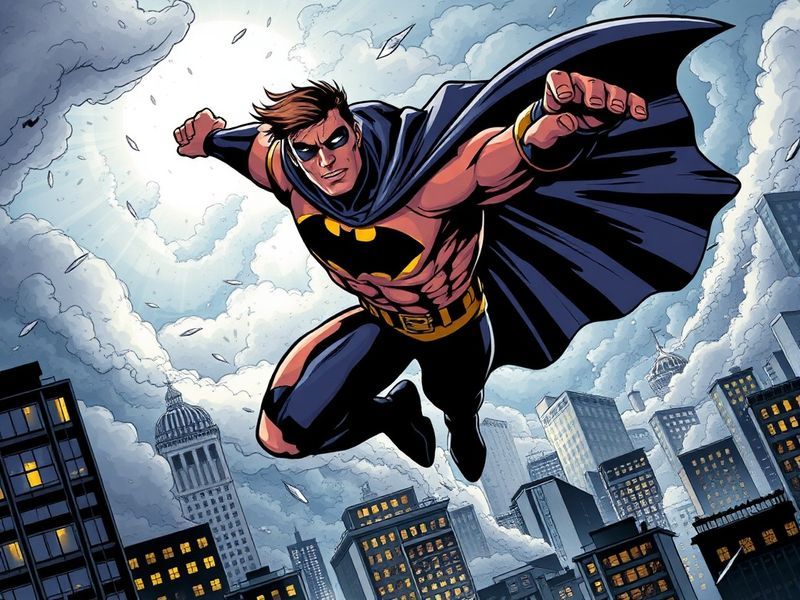
Robert Kirkman and Cory Walker’s Invincible arrived in 2003 not as another cape-and-tights retread, but as a deliberate deconstruction of superhero tropes. While the early 2000s saw the rise of grim-and-gritty reboots, Invincible stood apart by blending brutal action with deep emotional stakes. Its global appeal came from a simple yet powerful premise: what if a superhero’s son inherited powers without inheriting the moral compass of his father? The result was a story that resonated far beyond comic shops, influencing animation, television, and even global pop culture.
The Origin Story: A Fresh Take on Superhero Narratives
Invincible follows Mark Grayson, a teenager who develops superhuman abilities under the mentorship of his father, Nolan (aka Omni-Man). Kirkman deliberately avoided the polished, sanitized heroics of mainstream comics. Instead, the series embraced raw violence, moral ambiguity, and a narrative that questioned whether power inevitably corrupts. This approach struck a chord with readers who were growing weary of formulaic superhero stories.
The series launched during a transitional period for comics. While Marvel and DC dominated the market, independent publishers like Image Comics provided fertile ground for unconventional storytelling. Invincible thrived in this space, proving that superhero stories could evolve beyond traditional boundaries. Its success helped pave the way for other creator-owned series that balanced mainstream appeal with artistic integrity.
Global Influence and Cultural Exchange
Though Invincible originated in the United States, its themes transcended borders. The series explored universal questions about legacy, identity, and responsibility—questions that resonate in cultures worldwide. In Japan, for example, where superhero narratives often emphasize self-sacrifice and collective good, Invincible’s focus on moral complexity found an unexpected audience. European readers, accustomed to more grounded superhero stories like those in Watchmen, also embraced the series for its psychological depth.
The comic’s global reach expanded further through digital platforms. As webcomics and digital-first publishing grew, Invincible became an early example of how serialized storytelling could thrive outside print. Its success demonstrated that compelling narratives could cross linguistic and cultural barriers, provided they tapped into shared human experiences.
The Animation Revolution: From Comics to Screen
The transition of Invincible from page to screen marked a turning point for superhero adaptations. Amazon Prime Video’s animated series, which premiered in 2021, retained the comic’s brutal tone while expanding its world. The show’s success highlighted the demand for superhero stories that didn’t shy away from violence or moral complexity. Unlike the polished, family-friendly adaptations that dominated the genre, Invincible embraced the messy, unpredictable nature of its source material.
This shift reflected a broader trend in global entertainment. As audiences grew tired of repetitive superhero formulas, creators sought fresh perspectives. The Invincible animated series proved that there was an appetite for stories that challenged traditional heroism. Its global streaming success further cemented its place in modern pop culture, drawing viewers from regions where mainstream superhero media had struggled to connect.
Why Invincible Resonates Across Generations
Invincible’s enduring appeal lies in its refusal to glorify heroism. Mark Grayson’s journey is one of constant struggle—not just against villains, but against his own limitations and the expectations placed upon him. This relatability has made the series a favorite among both longtime comic fans and newcomers. The story’s exploration of father-son dynamics, particularly through Nolan’s complex relationship with Mark, adds another layer of emotional depth.
The series also benefited from its pacing. Unlike many superhero comics that rely on convoluted continuity, Invincible focused on tight, character-driven storytelling. This approach made it accessible to readers who might otherwise avoid the genre. Additionally, the comic’s willingness to kill off major characters—something rare in superhero media—kept readers on edge, reinforcing its commitment to narrative honesty.
The Legacy of Invincible in Modern Comics
Invincible didn’t just entertain; it influenced an entire generation of creators. Its success proved that superhero stories could be both commercially viable and artistically ambitious. Following its lead, publishers like Image Comics and Boom! Studios began prioritizing creator-owned properties with bold, unconventional narratives. The series also inspired a wave of independent comics that explored darker, more personal themes.
In the sports world, where narratives often revolve around underdog triumphs and moral victories, Invincible’s themes of perseverance and sacrifice found surprising parallels. The comic’s exploration of what it means to push beyond limits resonates with athletes and fans alike. Even in sports media, where stories of resilience dominate, the series’ emphasis on the cost of greatness struck a chord.
Beyond its narrative impact, Invincible also demonstrated the power of digital distribution. As comics embraced platforms like Webtoon and Tapas, the series became a model for how serialized storytelling could adapt to changing consumer habits. Its global fanbase grew organically, fueled by word-of-mouth and digital word-of-mouth rather than traditional marketing.
The Future of Invincible and Its Genre
With the animated series ongoing and rumors of a live-action adaptation swirling, Invancible shows no signs of slowing down. Its ability to reinvent itself across mediums suggests that its core themes—identity, power, and consequence—will continue to resonate. As superhero stories evolve, Invincible stands as a reminder that the genre’s greatest strength lies in its capacity for reinvention.
The series also highlights the importance of creator ownership in comics. Unlike corporate-owned properties, Invincible allowed Kirkman and Walker to tell their story on their terms. This autonomy fostered creativity and risk-taking, proving that the best comics often come from creators who control their own narratives.
Conclusion: Why Invincible Matters
Invincible is more than just a superhero story. It’s a reflection of how modern audiences crave complexity in their heroes. By rejecting the idea that power equals virtue, the series challenged readers to think critically about heroism. Its global success underscores the universality of its themes, proving that great storytelling transcends borders.
As the comic industry continues to evolve, Invincible remains a touchstone for what superhero narratives can achieve. Whether through its page-turning action, emotional depth, or unflinching honesty, the series has cemented its place as a modern classic. For fans old and new, Invincible isn’t just a comic—it’s an experience that demands to be felt, questioned, and remembered.