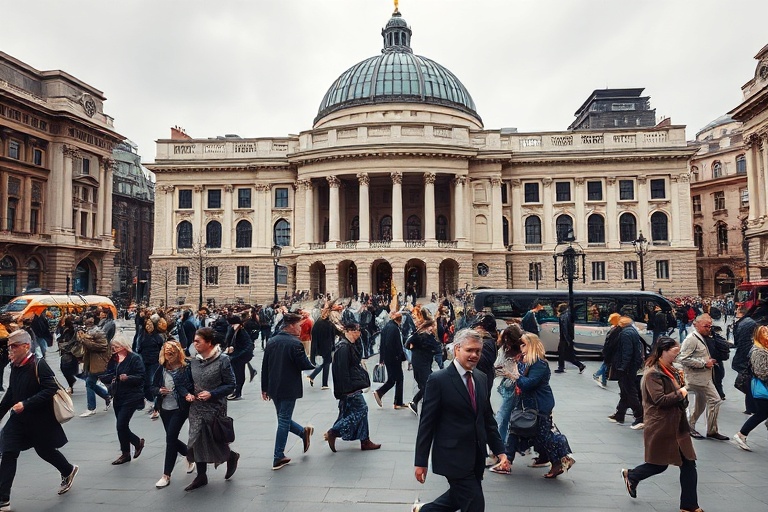
Nestled in the center of London, Westminster Council is one of the most influential local authorities in the United Kingdom. Its jurisdiction covers some of the city’s most iconic landmarks, including Buckingham Palace, the Houses of Parliament, and Westminster Abbey. But beyond its tourist appeal, the council plays a critical role in shaping the daily lives of residents, businesses, and visitors in this historic and fast-paced borough.
As a unitary authority, Westminster Council operates with a unique blend of responsibilities, managing everything from housing and transportation to economic development and environmental initiatives. Its decisions ripple across the city, influencing policy debates at the national level. Understanding how Westminster Council functions—and the challenges it faces—offers valuable insight into the broader dynamics of urban governance in the UK.
How Westminster Council Operates
Westminster Council is governed by a system of local democracy. The council is led by a leader and a cabinet, supported by a full-time staff of civil servants and elected councilors. The leader is typically chosen from the majority party in the council, which currently holds the majority of seats. This structure ensures that decisions are made with direct input from local representatives, though it also means political alignment can heavily influence policy direction.
The council’s responsibilities are extensive and multifaceted. They include:
- Housing and Planning: Managing public housing stock, approving new developments, and enforcing building regulations.
- Transportation: Overseeing roads, public transport links, and cycling infrastructure within the borough.
- Environmental Services: Handling waste collection, recycling programs, and pollution control measures.
- Economic Development: Supporting local businesses, attracting investment, and promoting tourism.
- Community Services: Running libraries, leisure centers, and social care programs for vulnerable residents.
This broad mandate requires close collaboration with other agencies, including Transport for London (TfL), the Greater London Authority (GLA), and central government departments. Westminster Council often finds itself at the center of high-stakes negotiations, especially when balancing development pressures with heritage preservation.
Key Challenges Facing Westminster Council
Like many urban councils, Westminster faces a series of complex challenges that test its capacity to deliver effective governance. One of the most pressing is the housing crisis. The borough is one of the most densely populated in London, with high demand for both residential and commercial space. This has led to intense pressure on available land, driving up property prices and pushing long-term residents out of the area.
The council has responded with mixed results. While it has invested in affordable housing initiatives, critics argue that these efforts are insufficient given the scale of the problem. High-profile development projects, such as the regeneration of the Paddington Basin and the Earl’s Court site, have sparked controversy over displacement and gentrification. Balancing economic growth with social equity remains a persistent struggle.
Transportation is another major issue. Westminster’s roads are among the busiest in Europe, and congestion frequently leads to delays and increased pollution. The council has introduced measures like the Ultra Low Emission Zone (ULEZ) and expanded cycling lanes to address these concerns. However, opposition from drivers and business owners has slowed progress, highlighting the political sensitivity of transport policy.
Additionally, Westminster must manage the competing demands of tourism and local livability. With over 20 million visitors annually, the borough’s infrastructure is stretched thin. Noise, litter, and overcrowding are common complaints from residents, particularly in areas like Oxford Street and Covent Garden. The council has experimented with interventions such as pedestrianization and visitor taxes, but finding a sustainable balance remains elusive.
The Political Landscape and Public Perception
Westminster Council has long been a political battleground. Historically, it has been a Conservative stronghold, reflecting the affluent demographics of central London. However, recent years have seen growing support for Labour and smaller parties, particularly in areas with younger, more diverse populations. This shift has intensified debates over housing, inequality, and public spending.
Public trust in local government has also fluctuated. A series of scandals, including allegations of financial mismanagement and conflicts of interest, have eroded confidence in some quarters. In response, the council has pledged greater transparency, including public consultations on major projects and independent audits of decision-making processes.
Yet, perceptions vary widely depending on who you ask. Longtime residents may view the council as out of touch with their needs, while business leaders often praise its pro-growth policies. Tourist operators appreciate its efforts to enhance visitor experiences, while activists criticize its slow response to climate change and social inequality. This divergence underscores the difficulty of satisfying all stakeholders in a borough as diverse and dynamic as Westminster.
Westminster Council’s Role in the Broader Context
Westminster’s influence extends far beyond its borders. As the seat of the UK government, decisions made in Westminster resonate across the country. For example, policies on housing density, public transport funding, and environmental regulations often set precedents for other local authorities. The council’s approach to urban planning can influence national debates on sustainability and community development.
Moreover, Westminster Council serves as a testing ground for innovative governance models. Its use of digital platforms for resident engagement, such as online consultation tools and real-time service updates, has positioned it as a leader in smart city initiatives. These innovations could be replicated in other boroughs, particularly as local governments seek to modernize their operations.
Looking ahead, Westminster Council faces a period of significant transformation. Brexit, the COVID-19 pandemic, and the ongoing climate crisis have all reshaped the context in which it operates. The council must navigate these challenges while maintaining its reputation as a global hub of culture, commerce, and governance. Its ability to adapt will determine not only the future of Westminster but also the broader trajectory of urban policy in the UK.
For residents, businesses, and visitors alike, Westminster Council remains a vital institution—one that demands scrutiny, engagement, and, above all, accountability. As the borough continues to evolve, the council’s decisions will shape the lived experience of millions, making its work more relevant than ever.
To learn more about local governance and urban policy, explore our News and Analysis sections for in-depth coverage of similar topics.