The Backrooms Movie: How an Internet Horror Meme Became a Global Phenomenon
The Origins of the Backrooms
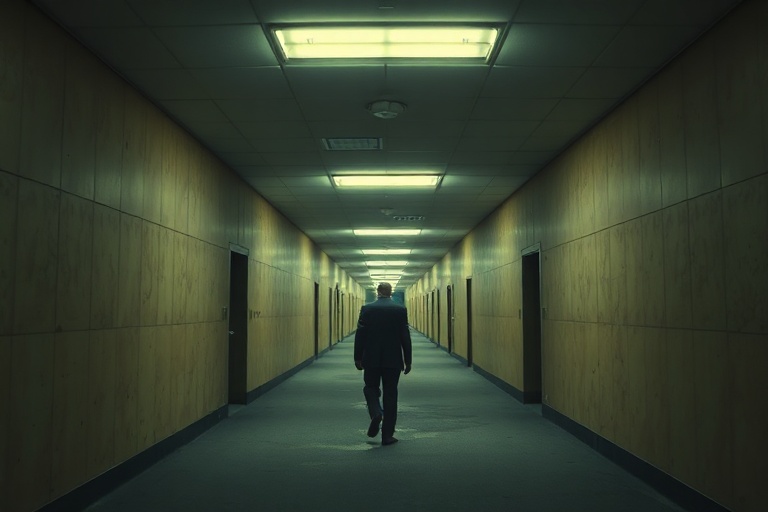
The Backrooms emerged from the depths of online horror culture in 2018, when a user on 4chan’s /x/ board posted a cryptic image accompanied by a short, unsettling description. The concept—a liminal space just beyond everyday reality—spread rapidly through image boards, Reddit threads, and YouTube videos. Unlike traditional horror, which relies on jump scares or monsters, the Backrooms thrived on the eerie mundanity of its setting: endless beige hallways, flickering fluorescent lights, and the quiet dread of being lost.
What began as a niche internet horror trope evolved into a full-fledged mythos. Fans dissected every detail—why yellow walls? Why the hum of distant machinery?—and expanded the lore with their own stories. The Backrooms became a blank canvas for creativity, allowing people worldwide to project their fears onto a shared, unsettling environment. By 2020, the concept had seeped into other media, from indie games like Local58 to ARG-style alternate reality games.
A Global Community Forms
The Backrooms’ appeal isn’t confined to one region or language. Online communities in Japan, Brazil, and Europe have all contributed to its evolution, adapting the lore to fit cultural fears. In Japan, for example, some creators reimagined the Backrooms as a post-apocalyptic wasteland, while European artists leaned into its surreal, bureaucratic undertones.
YouTube became a hub for Backrooms content, with creators producing everything from found-footage-style horror to philosophical essays on liminal spaces. Channels like Kane Pixels and Liminal Films gained millions of views by blending the Backrooms with other creepypasta like Slender Man or The Ritual. The community’s collaborative nature meant that no single interpretation dominated—every fan added their own twist.
Even outside the internet, the Backrooms influenced real-world events. In 2022, a Backrooms-themed escape room popped up in London, and artists in Berlin created immersive installations inspired by the concept. The phenomenon proved that horror could thrive in the digital age without relying on big studios or franchises.
The Backrooms Movie: A New Era
In 2023, the first official Backrooms movie was announced, produced by an indie studio and funded partly through crowdfunding. The film, directed by newcomer Mara Chen, promised to explore the lore beyond the static images and short videos that defined the online myth. Early trailers showcased a mix of psychological horror and surreal visuals—a stark hallway stretching into darkness, the sound of distant footsteps.
Reactions were mixed. Some fans worried the movie would dilute the Backrooms’ mystery, while others hoped it would introduce the concept to wider audiences. The film’s release in late 2024 coincided with a surge in Backrooms-related TikTok trends, proving the mythos still had cultural relevance. Critics praised its atmospheric tension but noted that translating the Backrooms’ abstract horror to film was a challenge.
The Backrooms movie also sparked debates about intellectual property in internet horror. Unlike traditional franchises, the Backrooms had no clear creator, and its open-ended nature made it difficult to “own.” The film’s existence raised questions: Was this adaptation an homage or an exploitation? The conversation reflected broader tensions in fan culture, where creators and audiences often clash over ownership.
Why the Backrooms Resonate
The Backrooms endure because they tap into universal fears—isolation, the unknown, the uncanny. In an era of algorithmic feeds and curated realities, the Backrooms offer a space where chaos reigns. The endless hallways mirror the disorientation of modern life, where digital and physical worlds blur.
Psychologists have noted that liminal spaces trigger a primal unease. The Backrooms exploit this, turning mundane environments into nightmares. Their appeal also lies in their adaptability. Whether as a metaphor for depression, a critique of capitalism, or a simple horror trope, the Backrooms can mean different things to different people.
Globally, the concept has been used to explore local anxieties. In South Korea, some creators linked the Backrooms to the pressure of societal expectations, while in the U.S., they became tied to fears of surveillance and loss of privacy. This adaptability ensures the Backrooms remain relevant, even as internet trends shift.
Key Themes in Backrooms Lore
- Liminality: The spaces between places—hallways, parking lots, office buildings—become portals to something darker.
- Isolation: Characters are often alone, amplifying the horror of their situation.
- Surrealism: The rules of reality don’t apply, making it impossible to predict what comes next.
- Community: Fans collaborate to expand the lore, ensuring it never stagnates.
A Lasting Legacy
The Backrooms movie may mark a turning point, but the mythos itself is far from over. New creators continue to reinterpret the concept, from indie games to virtual reality experiences. The Backrooms prove that horror doesn’t need a budget or a studio—just a spark of creativity and a shared sense of dread.
As internet culture evolves, so too will the Backrooms. They might fade into obscurity or become a mainstream franchise. Either way, their impact is undeniable. They remind us that the scariest places aren’t haunted castles or alien worlds—they’re the spaces just out of sight, where reality bends and fear lingers.