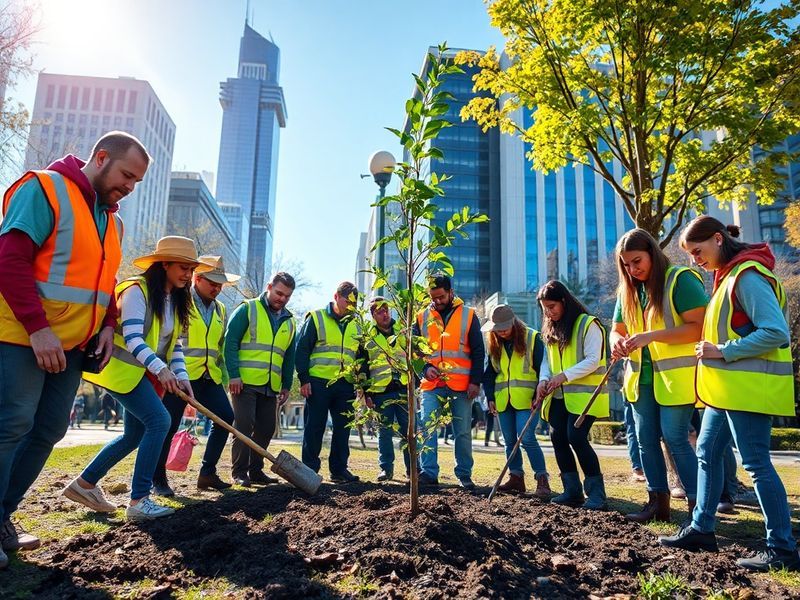
Earth Day 2024: Why Environmental Action Matters Now More Than Ever
“`html
Earth Day 2024: Why Environmental Action Matters Now More Than Ever
Earth Day, celebrated annually on April 22, has grown from a grassroots movement in 1970 to a global phenomenon uniting over 190 countries. This year’s theme—Planet vs. Plastics—reflects a sharpened focus on one of humanity’s most pressing environmental challenges. As climate records continue to shatter, the urgency behind Earth Day’s mission feels more immediate than ever before.
The Origins and Evolution of Earth Day
The first Earth Day was born out of frustration. On April 22, 1970, 20 million Americans took to the streets to protest environmental ignorance. The movement was catalyzed by a decade marked by oil spills, smog-choked cities, and unchecked industrial pollution. Senator Gaylord Nelson, its founder, envisioned a “teach-in” model that would energize public consciousness. That day changed the political landscape forever. It led to the creation of the Environmental Protection Agency (EPA) and the passage of landmark laws like the Clean Air Act and the Endangered Species Act.
Decades later, Earth Day has expanded globally, with coordinated campaigns in schools, corporations, and governments. From beach cleanups in Bali to tree-planting drives in Nairobi, participation spans every continent. What began as a protest has become a tradition—a moment each year when people pause to reflect on their relationship with the planet.
This Year’s Focus: Planet vs. Plastics
The 2024 Earth Day campaign zeroes in on plastic pollution, a crisis that has quietly escalated over the past 50 years. The numbers tell a stark story: over 400 million tons of plastic waste are produced annually, and less than 10% is recycled. Much of it ends up in oceans, where it breaks into microplastics that infiltrate marine life and, eventually, human bodies. The theme isn’t just about cleanup—it’s a call for systemic change in how plastic is produced, used, and discarded.
This focus aligns with growing public concern. Recent surveys show that 73% of consumers now prefer brands that prioritize sustainability, even if it means paying more. Major corporations like Unilever and Coca-Cola have pledged to reduce plastic use, though critics argue these efforts often fall short of real transformation. The Earth Day movement challenges both individuals and industries to move beyond greenwashing and embrace measurable action.
Key Actions for Earth Day 2024
- Refuse single-use plastics—carry reusable bags, bottles, and containers.
- Support circular economy initiatives—buy products made from recycled materials and advocate for local recycling programs.
- Participate in or organize a cleanup—beaches, parks, and urban areas all need attention.
- Educate and advocate—use your voice to push for policies that limit plastic production and improve waste management.
- Invest in sustainable alternatives—choose brands with transparent, ethical supply chains.
Beyond Symbolism: The Broader Implications of Environmental Action
Earth Day is more than a single day of action—it’s a mirror held up to society. It forces us to confront uncomfortable truths: our reliance on fossil fuels, the fragility of ecosystems, and the disproportionate impact of environmental degradation on marginalized communities. Studies show that low-income neighborhoods often bear the brunt of pollution, facing higher rates of asthma and other health issues due to proximity to industrial zones.
This year’s focus on plastics also highlights an uncomfortable paradox. While plastic has revolutionized modern life—enabling medical advancements, food preservation, and efficient packaging—its afterlife has become a global burden. The push for biodegradable alternatives is gaining momentum, but scaling these solutions requires investment, innovation, and political will. The Earth Day campaign serves as a reminder that technology alone won’t solve the problem; systemic change in policy and consumer behavior is essential.
Moreover, Earth Day intersects with broader movements for climate justice. Indigenous communities, who have long been stewards of the land, are increasingly leading conservation efforts. Their knowledge systems offer sustainable alternatives to industrial agriculture and resource extraction. Recognizing and supporting these leaders isn’t just ethical—it’s practical. Their practices have preserved biodiversity for generations, offering blueprints for resilience in the face of climate change.
What’s Next? Moving from Awareness to Action
Earth Day’s legacy lies not in its annual observance, but in what follows. The real work begins the day after—when individuals return to their routines, when corporations review their sustainability reports, and when governments assess their climate commitments. The challenge now is to ensure that the momentum doesn’t fade.
One promising trend is the rise of “Earth Day Every Day” initiatives. Schools are integrating environmental education into curricula year-round. Cities are adopting “zero waste” goals and investing in green infrastructure. Even fashion brands are rethinking their use of synthetic materials. These incremental shifts may seem small, but collectively, they represent a cultural evolution.
For skeptics who argue that individual action is futile, consider this: small changes create cultural narratives. When enough people adopt reusable containers, demand sustainable products, or participate in local cleanups, it shifts market demand and political priorities. The power of Earth Day lies in its ability to convert passive concern into active participation.
As we mark another Earth Day, the message is clear. The planet doesn’t need our pity—it needs our partnership. That means rethinking consumption, advocating for policy changes, and supporting innovation that aligns with ecological balance. Whether through reducing plastic use, planting trees, or simply learning more about local ecosystems, everyone has a role to play.
Earth Day reminds us that environmentalism isn’t a niche interest—it’s a shared responsibility. The question isn’t whether we can afford to act, but whether we can afford not to.
To learn more about sustainable living and environmental initiatives, explore Science and Culture on Dave’s Locker.