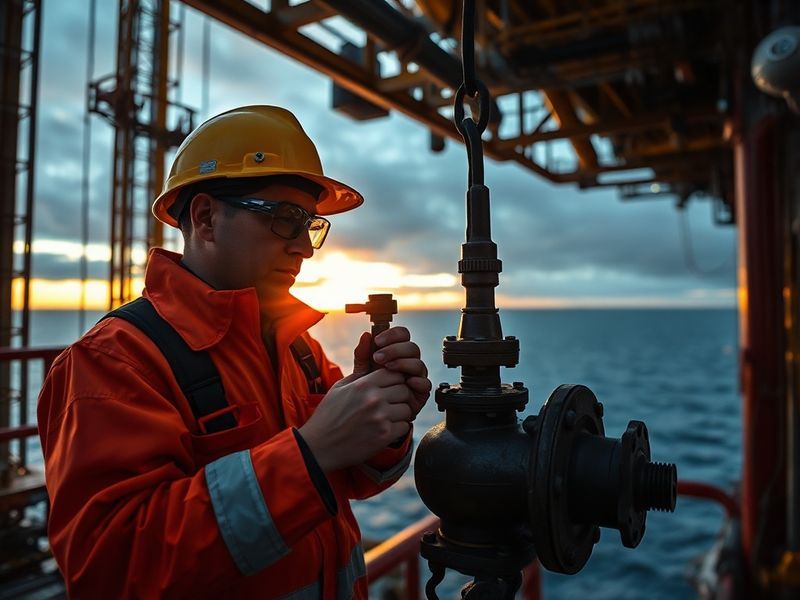
Petróleo: The Global Power, Politics, and Environmental Impact
“`html
The Global Reach of Petróleo: Power, Politics, and Progress
Petróleo, or crude oil, remains one of the most transformative resources in human history. Its discovery and exploitation reshaped economies, redefined geopolitical power structures, and accelerated technological innovation. From the first commercial oil well in Pennsylvania in 1859 to the sprawling offshore rigs of the Persian Gulf today, petróleo has been both a catalyst for progress and a source of conflict.
Its influence extends far beyond fuel. Petrochemicals derived from oil are essential components in plastics, fertilizers, pharmaceuticals, and synthetic materials that define modern life. Yet, the extraction and consumption of petróleo come with profound environmental and social consequences. The global dependence on oil has sparked debates about sustainability, energy transition, and the future of global power dynamics.
The Historical Tapestry of Petróleo
The story of petróleo begins long before the industrial era. Indigenous peoples in the Americas used natural oil seeps for medicinal and ceremonial purposes centuries ago. However, the modern oil industry traces its origins to the mid-19th century. Edwin Drake’s 1859 well in Titusville, Pennsylvania, marked the birth of the petroleum age, enabling large-scale extraction.
By the early 20th century, oil had become the lifeblood of industrialization. The rise of automobiles, airplanes, and mechanized warfare in World War I cemented petróleo’s central role. The Seven Sisters—a group of Western oil companies—dominated global production until the mid-20th century, when nationalization movements in the Middle East and Latin America began to shift control into the hands of producing nations.
This era also saw the formation of OPEC in 1960, a cartel designed to coordinate oil policies among member countries. OPEC’s influence peaked during the 1973 oil crisis, when an embargo led to skyrocketing prices and exposed the vulnerabilities of oil-dependent economies. The event underscored petróleo’s potential as both an economic tool and a political weapon.
Petróleo in the 21st Century: A Global Chessboard
Today, petróleo remains a cornerstone of the global energy mix, accounting for over a third of the world’s primary energy consumption. The geopolitical landscape is still largely defined by oil-rich nations and their relationships with consumer countries. The United States, once the world’s largest importer, has transformed into a net exporter thanks to the shale revolution. Meanwhile, Saudi Arabia and Russia continue to wield significant influence through OPEC+ agreements, balancing production to stabilize prices.
China’s insatiable demand for oil has reshaped global trade routes. The country’s economic ascent has made it the world’s largest oil importer, driving investments in infrastructure like pipelines and refineries across Africa, Latin America, and the Middle East. This shift has also intensified competition, particularly in regions like the South China Sea, where territorial disputes intersect with energy security concerns.
In Europe, the war in Ukraine has exposed the fragility of energy dependencies. The European Union’s rapid pivot away from Russian oil and gas has accelerated renewable energy investments and diversified supply chains. Yet, the transition remains uneven, with some nations still reliant on hydrocarbons for heating and industry.
The Cultural Weight of Oil
Beyond economics and politics, petróleo has left an indelible mark on culture. The oil industry has inspired countless works of literature, film, and music. In Venezuela, the discovery of oil in the early 20th century transformed the nation from a rural economy into a petrostate, a theme explored in novels like Doña Bárbara by Rómulo Gallegos. The booms and busts of oil wealth have also shaped national identities, from the North Sea’s offshore rigs in Scotland to the tar sands of Alberta, Canada.
Oil’s cultural influence extends to language and art. The term “black gold” reflects its perceived value, while environmental movements have rebranded it as a symbol of ecological destruction. Artists like Edward Burtynsky have documented the industrial landscapes of oil extraction, while musicians like Joni Mitchell’s Big Yellow Taxi with its famous line “they paved paradise to put up a parking lot” critique the environmental costs of progress.
The Environmental Paradox: Progress at What Cost?
The extraction and burning of petróleo are the primary drivers of climate change, accounting for nearly three-quarters of global greenhouse gas emissions. The environmental toll is visible in oil spills like the Exxon Valdez disaster in 1989 and the Deepwater Horizon spill in 2010, which devastated marine ecosystems and coastal communities.
Yet, the world’s appetite for oil shows no signs of abating. Even as renewable energy sources like wind and solar gain traction, oil remains essential for transportation, manufacturing, and agriculture. The challenge lies in balancing energy security with sustainability—a task complicated by vested interests, economic disparities, and technological hurdles.
Innovations like carbon capture and storage (CCS) offer a glimmer of hope, but their scalability remains uncertain. Meanwhile, countries like Norway and Denmark are leading the charge toward decarbonization, investing in electric vehicles and green hydrogen. Their efforts highlight the possibility of a post-oil future, though the timeline for such a transition is hotly debated.
A Glimpse Into the Future
The next decade will be pivotal in determining petróleo’s role in the global energy landscape. The International Energy Agency (IEA) predicts that oil demand could peak by 2030, driven by electric vehicle adoption, energy efficiency, and policy shifts. However, this forecast hinges on coordinated global action—a scenario that is far from guaranteed.
For oil-dependent nations, the transition poses existential questions. Countries like Saudi Arabia and the UAE are investing heavily in renewable energy and diversification, but their economies still rely on hydrocarbon revenues. In contrast, nations with limited oil resources are racing to develop alternative energy sources, often with the support of international partnerships.
The cultural and economic shifts spurred by petróleo will also continue to unfold. As societies grapple with the legacies of oil wealth and the imperatives of sustainability, the resource’s story is far from over. It will remain a defining force in global affairs, shaping power dynamics, technological progress, and environmental policies for generations to come.
The Path Forward: Challenges and Opportunities
As the world navigates the complexities of petróleo’s legacy, several key challenges and opportunities emerge:
- Energy Transition: Balancing the need for economic stability with the urgency of climate action. Policymakers must navigate the delicate act of supporting oil-dependent communities while incentivizing renewable energy adoption.
- Geopolitical Realignment: The decline of oil’s dominance could reshape alliances and conflicts. Nations that fail to diversify their economies may face instability, while those that lead in green technology could gain newfound influence.
- Technological Innovation: Advances in battery storage, hydrogen fuel, and carbon-neutral processes could reduce dependence on pétrole. However, these solutions require substantial investment and collaboration across sectors.
- Social Equity: The benefits and burdens of oil extraction have historically been unevenly distributed. Indigenous communities, often bearing the brunt of environmental degradation, are increasingly vocal in demanding justice and reparations.
Ultimately, petróleo’s story is one of paradox—a resource that has fueled human achievement while simultaneously threatening the planet’s future. Its legacy invites reflection on how societies can harness innovation to create a more equitable and sustainable world.
The journey ahead will require bold decisions, global cooperation, and a willingness to confront the uncomfortable truths embedded in our dependence on oil. Whether petróleo remains a dominant force or fades into history as a relic of the industrial age, its impact will resonate for decades to come.