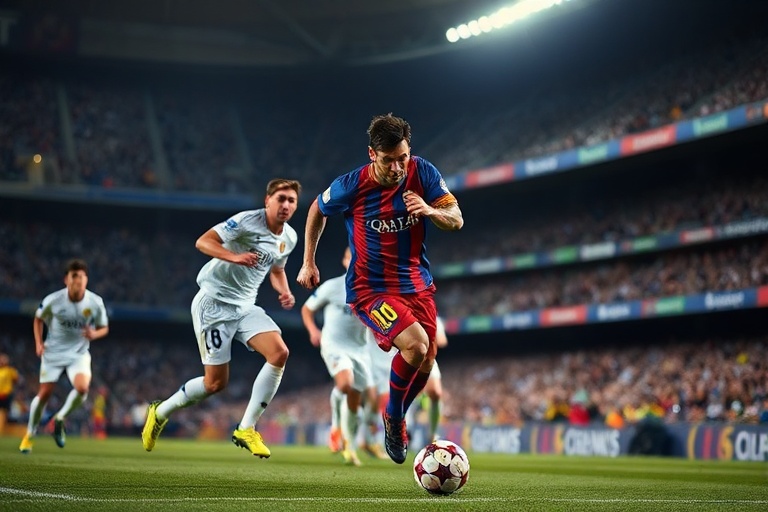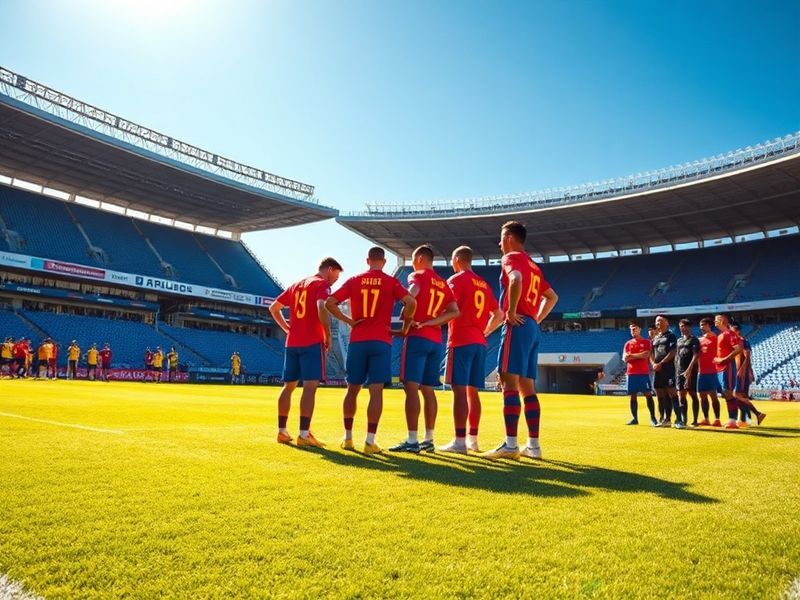
The recent encounters between Spain and Ukraine have not only showcased high-stakes competition but also highlighted broader themes in international sports. These matches transcend mere athletic rivalry, reflecting deeper cultural exchanges, tactical evolution, and the unpredictable nature of competitive play. With each game, the narrative shifts, offering fresh perspectives on how teams adapt under pressure and what that reveals about their broader societies.
The Tactical Battle: Possession Meets Counterattack
Spain has long been synonymous with possession-based football, a philosophy rooted in the tiki-taka style that dominated the 2008-2012 era. Their approach relies on patient build-up play, technical precision, and positional discipline. Ukraine, meanwhile, has carved its identity through resilience and structured counterattacking football. This contrast creates a fascinating tactical duel when the two sides meet.
In their most recent clashes, Ukraine has shown tactical flexibility. While still favoring defensive organization, they’ve incorporated more direct transitions and vertical passing to exploit spaces left by high-pressing Spanish teams. Spain, on the other hand, has adapted by using wider forwards and overlapping full-backs to stretch play and create numerical advantages in wide areas.
This evolution speaks to a broader trend in modern football: the blending of styles. Teams once defined by rigid systems now borrow elements from their opponents. Spain’s ability to integrate counter-pressing into its possession game reflects this shift, while Ukraine’s willingness to adopt hybrid structures shows how tactical identity can evolve under pressure.
Key Tactical Features of Each Team
- Spain: High positional play, short passing, full-backs as auxiliary midfielders, and a goalkeeper comfortable with ball distribution.
- Ukraine: Compact mid-block, rapid transitions, direct vertical passes, and wingers who double as defensive cover.
- Hybrid Trends: Spain’s use of inverted wingers, Ukraine’s midfield pivot shifting between build-up and recovery phases.
Cultural and Historical Context
The rivalry between Spain and Ukraine extends beyond the pitch. It reflects historical ties, migration patterns, and shared European identities. Spain has long been a destination for Ukrainian labor migrants, particularly in sectors like agriculture and construction. Football has served as a cultural bridge, with Ukrainian players like Ruslan Malinovskyi and Viktor Tsygankov making significant impacts in La Liga.
On the political level, the relationship has seen fluctuations. Spain’s recognition of Ukraine’s sovereignty in 2014 was significant during the annexation of Crimea, and cultural exchanges have continued despite geopolitical tensions. Football matches between the two nations often carry symbolic weight, representing not just competition but mutual respect and shared European values.
This cultural dimension adds depth to the sporting narrative. When players from both nations meet, they carry more than just national pride. They embody the aspirations of their people—Spain’s post-Franco optimism, Ukraine’s resilience in the face of adversity. These values are often reflected in their on-field demeanor: Spain’s fluidity mirrors its cultural openness, while Ukraine’s grit reflects its history of overcoming hardship.
Broader Implications for International Football
The Spain-Ukraine dynamic offers a microcosm of modern international football. It highlights how teams from different footballing traditions can coexist and even elevate each other’s play. Spain’s possession game benefits from facing disciplined defensive teams like Ukraine, which force them to refine their patience and creativity. Conversely, Ukraine’s counterattacking style gains sophistication when tested against Spain’s structured pressing and positional play.
This interaction has implications for youth development. Spain’s footballing philosophy is deeply embedded in its academy system, the cantera, which emphasizes technical development and tactical intelligence from a young age. Ukraine, though facing challenges in infrastructure, has produced players who thrive in high-pressure environments. The success of Ukrainian talents in top European leagues underscores the potential of investing in grassroots development, even under constraints.
Moreover, the matches between these two nations serve as a reminder of football’s unifying power. In an era of political division and economic disparity, sporting encounters like these foster dialogue and mutual understanding. They remind us that football is not just a game but a platform for cultural exchange and soft diplomacy.
What Comes Next?
The future of Spain-Ukraine football encounters looks set to remain competitive. Spain’s next generation, featuring players like Pedri and Gavi, continues the tradition of technical excellence, while Ukraine’s emerging talents—such as Oleksandr Zubkov and Danylo Sikan—are poised to carry the torch of resilience and adaptability.
As both nations navigate the challenges of modern football—rising costs, commercial pressures, and the need for sustainable development—their rivalry will likely evolve. Yet, the core elements of their encounters will remain: Spain’s elegance against Ukraine’s tenacity, a clash of styles that continues to captivate fans and analysts alike.
For fans of the game, these matches offer more than just points on the table. They provide a masterclass in tactical innovation, a celebration of cultural exchange, and a testament to football’s enduring ability to inspire. Whether in the Champions League, European Championships, or international friendlies, the Spain-Ukraine fixture remains a fixture worth watching.
For further reading on international football dynamics and tactical evolution, visit our Analysis and Sports sections on Dave’s Locker.
Looking Ahead: Predictions and Questions
- Will Spain’s next generation maintain its technical superiority under increased physical demands?
- Can Ukraine’s defensive structure evolve to break down elite possession teams consistently?
- How will geopolitical developments, such as EU integration discussions, influence footballing relationships between the two nations?
- Will hybrid tactical models become the norm, blurring traditional stylistic boundaries?
- What role will emerging markets and financial disparities play in shaping future competitive balance?