Dulles International Airport: A Confluence of History and Modernity
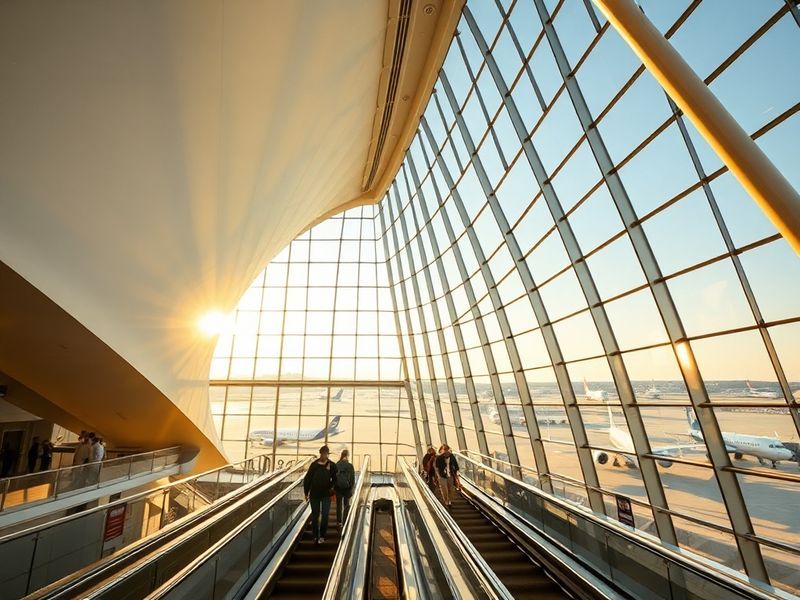
Dulles International Airport, located in Chantilly, Virginia, stands as a testament to 20th-century vision and 21st-century innovation. Named after John Foster Dulles, the 52nd U.S. Secretary of State, the airport was designed by the legendary architect Eero Saarinen and opened in 1962. Its sweeping, futuristic design—characterized by the iconic mobile lounges and the distinctive terminal building—was revolutionary for its time, embodying the optimism and ambition of the post-war era.
The airport was conceived to serve as a primary international gateway for the Washington, D.C. metropolitan area, a role it has fulfilled with distinction. Over the decades, Dulles has evolved from a regional hub into a global aviation powerhouse, facilitating connections between North America, Europe, Asia, and beyond. Its strategic location, just 26 miles west of downtown D.C., places it within easy reach of the nation’s capital, making it a preferred choice for diplomats, travelers, and business leaders alike.
The Architectural and Cultural Legacy of Dulles
Eero Saarinen’s design for Dulles International Airport was groundbreaking, blending functionality with artistic expression. The terminal’s soaring, curved roof and expansive windows were intended to evoke a sense of openness and movement, mirroring the dynamism of air travel. The mobile lounges, which transported passengers directly from the terminal to aircraft, were another innovation that set Dulles apart from other airports of its time.
Beyond its architectural significance, Dulles has also played a role in shaping cultural narratives. The airport has been featured in films, literature, and art, often symbolizing the intersection of global connectivity and human ambition. For instance, the 1990s film True Lies used Dulles as a backdrop for high-stakes espionage scenes, while the airport’s expansive terminals have served as a metaphor for the vastness of the world in countless narratives.
Dulles is also a hub for cultural exchange. With over 130 destinations worldwide, the airport serves as a microcosm of global diversity. Travelers passing through Dulles bring with them stories, traditions, and perspectives from every corner of the planet, creating a vibrant tapestry of human experience. This cultural richness is reflected in the airport’s dining options, retail spaces, and public art installations, which celebrate both local and international influences.
The Evolution of Dulles: From Humble Beginnings to Global Hub
When Dulles opened in 1962, it was a modest operation by today’s standards, handling just a fraction of the traffic it does now. However, its growth has been nothing short of extraordinary. In the 1970s and 1980s, the airport expanded to accommodate the increasing demand for international travel, adding new terminals and runways. The completion of the Dulles Access Highway in 1984 further solidified its position as a critical transportation link.
Today, Dulles is the second-busiest airport in the Washington-Baltimore metropolitan area, serving over 24 million passengers annually. It is a hub for United Airlines and a focus city for several other major carriers, including Virgin Atlantic and British Airways. The airport’s ability to handle large aircraft, such as the Airbus A380, has made it a preferred gateway for long-haul international flights.
One of the most significant developments in Dulles’ recent history was the opening of the Silver Line extension of the Washington Metro in 2014. This $2.8 billion project connected the airport to downtown D.C. and other key destinations, providing passengers with a convenient and eco-friendly alternative to driving. The Metro extension has not only improved accessibility but also reinforced Dulles’ role as a vital part of the region’s transportation network.
Dulles in the 21st Century: Challenges and Opportunities
Despite its success, Dulles International Airport faces a range of challenges in the 21st century. One of the most pressing is the need to modernize its aging infrastructure. The terminal building, while iconic, is showing signs of wear, and the mobile lounges, though charming, are increasingly seen as outdated. To address these issues, the Metropolitan Washington Airports Authority (MWAA) has embarked on a series of renovation and expansion projects, including the construction of a new concourse and the introduction of automated people movers.
Another challenge is the growing competition from other airports in the region, particularly Reagan National Airport and Baltimore/Washington International Thurgood Marshall Airport. While Dulles remains the primary international gateway for the D.C. area, these airports have expanded their international operations, drawing some of Dulles’ traffic. To stay competitive, Dulles must continue to innovate, offering passengers a superior travel experience and airlines the infrastructure they need to thrive.
However, Dulles also has significant opportunities to build on its strengths. The airport’s location near the Dulles Technology Corridor, home to tech giants like Amazon, Google, and Microsoft, positions it well to serve the growing demand for business travel. Additionally, the rise of global tourism and the increasing importance of air cargo in the digital economy present new avenues for growth. By leveraging its strengths and addressing its challenges, Dulles can continue to be a leader in the aviation industry for decades to come.
A Gateway to the World
Dulles International Airport is more than just a transportation hub; it is a symbol of human ingenuity, cultural exchange, and global connectivity. From its futuristic design to its role in facilitating international diplomacy and commerce, Dulles embodies the spirit of exploration and progress. As the world becomes increasingly interconnected, airports like Dulles will play an even more critical role in shaping the future of travel and tourism.
For travelers passing through its terminals, Dulles offers a glimpse into the diversity and dynamism of the modern world. Whether it’s savoring a meal inspired by global cuisines, browsing duty-free shops filled with luxury goods, or simply marveling at the sheer scale of the airport, visitors are reminded of the boundless possibilities that air travel represents. In an era where borders are becoming more fluid and the world feels smaller than ever, Dulles stands as a beacon of connection and opportunity.
As we look to the future, Dulles International Airport will undoubtedly continue to evolve, adapting to the changing needs of passengers and airlines alike. Yet, its core mission remains unchanged: to serve as a gateway to the world, welcoming travelers from every corner of the globe and facilitating the exchange of ideas, cultures, and experiences that define our shared humanity.
For more insights into the world of travel and transportation, explore our Travel section, where we delve into the stories behind the world’s most fascinating destinations.
<