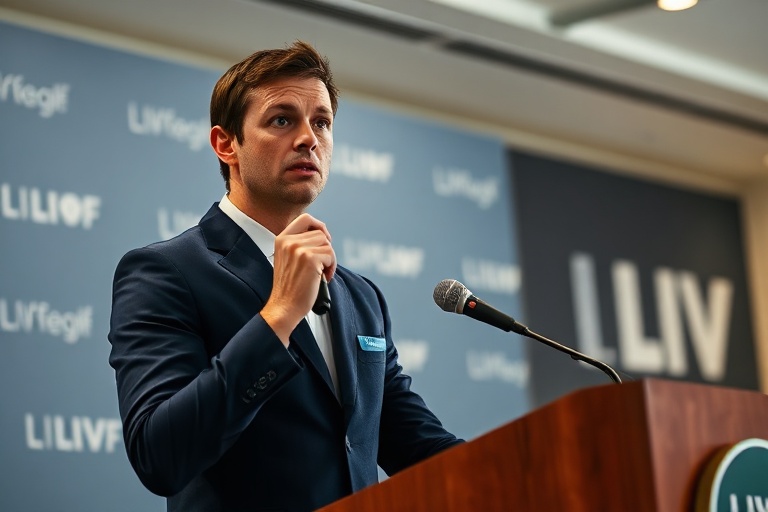
Rory McIlroy vs LIV Golf: The Battle for Golf’s Future
Rory McIlroy’s LIV Golf Comments Spark Global Golf Debate
The world of professional golf has rarely seen a debate as heated as the one ignited by Rory McIlroy’s recent comments about LIV Golf. The four-time major champion, a vocal advocate for the traditional PGA Tour, has become the unofficial voice of resistance against the controversial Saudi-backed league. His words have resonated far beyond the fairways of Augusta or St. Andrews, touching on issues of integrity, money, and the future of the sport.
McIlroy’s criticism isn’t just about golf—it’s about principle. He has framed the LIV Golf Invitational Series as a threat to the values that have defined professional golf for generations. His stance has drawn both fierce support and sharp criticism, reflecting deeper divides within the sport about its direction and identity.
The Context: Why McIlroy’s Words Carry Weight
Rory McIlroy is more than just a golfer; he’s one of the most recognizable figures in global sports. With 24 PGA Tour wins and four major championships, he stands as a pillar of the traditional golf establishment. His decision to publicly oppose LIV Golf isn’t just a personal stance—it’s a statement from someone who has benefited from the very system he’s now questioning.
McIlroy’s objections center on three key issues:
- Financial Fairness: The PGA Tour offers a clear, structured path to success based on performance. LIV Golf, with its lucrative guaranteed contracts, has rewritten the rules, offering wealth without the traditional grind.
- Sporting Integrity: Golf has always been a meritocracy. McIlroy argues that LIV Golf undermines this by paying players simply to show up, regardless of skill or effort.
- Long-Term Stability: McIlroy fears that LIV Golf’s model could destabilize the sport by creating a parallel circuit that siphons talent and attention away from the PGA Tour.
The Irishman isn’t alone in his concerns. Many within golf’s traditional power structure share his skepticism, though not all are as vocal. The debate has exposed fractures between players who prioritize financial security and those who value the sport’s legacy.
A Global Perspective: How Golf’s Divide Reflects Broader Trends
The McIlroy-LIV Golf debate isn’t just a golf story—it’s a microcosm of larger shifts in global sports. The rise of Saudi-backed entities like LIV Golf and the proposed breakaway Super League in football mirrors a trend where wealth and ambition are reshaping traditional power structures. This isn’t just about money; it’s about control.
In Europe, where golf’s traditional strongholds lie, the reaction has been particularly sharp. The PGA European Tour has taken a firm stance against LIV Golf, implementing sanctions for players who defect. Yet, the allure of financial security is undeniable. Players like Ian Poulter and Lee Westwood have joined LIV Golf, citing the financial freedom it offers amid the uncertainties of a post-pandemic career.
In Asia, where golf’s popularity is surging, the debate takes on a different hue. The PGA Tour’s stronghold in the region means LIV Golf’s influence is limited—but not absent. Players like Anirban Lahiri have made the switch, drawn by the promise of stability in an increasingly competitive market. Meanwhile, local golf federations are caught in the middle, torn between loyalty to tradition and the practical realities of modern professional sports.
In the United States, the home of the PGA Tour, the divide is most pronounced. Golf’s traditional power base is under siege, not just from LIV Golf, but from changing fan expectations and the rise of digital platforms. McIlroy’s comments have become a rallying cry for those who see LIV Golf as a symptom of a larger crisis in sports—a crisis where tradition is losing ground to financial expediency.
The Human Element: Players Caught in the Crossfire
At the heart of the McIlroy-LIV Golf debate are the players themselves. Many have found themselves in an impossible position, forced to choose between loyalty to the sport’s traditions and the financial security their families depend on. For younger players, the decision is even harder. The PGA Tour’s pathway to success is grueling and uncertain, while LIV Golf offers a shortcut to wealth.
Some players, like Brooks Koepka, have embraced LIV Golf wholeheartedly, arguing that the old system is broken and needs to be disrupted. Others, like Tiger Woods, remain ambivalent, unwilling to fully commit to either side. Then there are those like McIlroy, who see LIV Golf as a fundamental threat to the sport they love.
The emotional toll of this debate cannot be overstated. Players who defect are often branded as traitors by fans and peers alike. Those who stay loyal to the PGA Tour face the pressure of defending a system that many see as outdated and unsustainable. The result is a sport divided, with no clear path forward.
What’s Next for Golf? The Path Forward
The McIlroy-LIV Golf debate raises a critical question: Can golf reconcile tradition with modernity? The answer lies in whether the sport’s governing bodies can adapt without losing sight of what makes golf special. The PGA Tour has taken steps to modernize, introducing new formats and increasing purses to keep players engaged. Yet, these changes may not be enough to stem the tide of players defecting to LIV Golf.
One possibility is a merger or truce between the PGA Tour and LIV Golf, a scenario that would require significant compromise from both sides. Such a move could stabilize the sport but might also dilute its identity. Another option is a continued split, with the PGA Tour and LIV Golf coexisting in an uneasy truce. This scenario risks creating a two-tiered system where the haves and have-nots are permanently divided.
Regardless of the outcome, Rory McIlroy’s comments have ensured that the debate will continue. His voice, amplified by his status as one of golf’s most respected figures, has given a human face to the struggle between tradition and progress. Whether golf can find a way forward remains to be seen, but one thing is clear: the sport is at a crossroads, and the decisions made in the coming years will shape its future for generations to come.
For fans of the game, this is a moment to reflect on what golf means to them. Is it a sport built on merit and tradition, or a business where success is measured in dollars? The answer may lie somewhere in between—but finding that balance will require difficult conversations and bold decisions.
As the dust settles on this latest chapter in golf’s ongoing evolution, one thing is certain: the sport will never be the same.
Explore More on Dave’s Locker
For deeper insights into the world of golf and its shifting dynamics, visit our Sports category. Stay updated on the latest developments in the McIlroy-LIV Golf debate and other trending topics in the sporting world.