orange
The Color Orange: A Global Symbol of Energy, Culture, and Contrast
Orange is more than a color. It is a vibrant force that commands attention, evokes emotions, and carries deep cultural significance across continents. From ancient traditions to modern branding, the hue has shaped art, politics, and even sports. Its boldness makes it impossible to ignore, yet its warmth invites connection. To understand orange is to explore a spectrum that bridges nature, society, and human expression.
The Science and Symbolism Behind the Hue
Orange sits between red and yellow on the visible light spectrum, combining the energy of the former with the optimism of the latter. Scientifically, it has the highest wavelength humans can see, which explains its ability to stand out in both natural and artificial environments. This visibility has made it a practical choice for safety gear, traffic cones, and warning signs—where immediate attention is critical.
Culturally, the meaning of orange varies dramatically. In Western traditions, it often symbolizes autumn, harvest, and abundance. Halloween pumpkins, Thanksgiving decorations, and even the robes of Buddhist monks all draw from this association. Yet in other contexts, orange carries political weight. The color has long been tied to social movements, most notably in the Netherlands, where it represents the Dutch royal family and national pride. During King’s Day celebrations, entire cities flood with orange attire, flags, and decorations—a spectacle that transforms public spaces into a sea of unity.
A Color of Contrasts: From Sacred to Secular
In India, orange holds spiritual significance. Saffron, derived from the crocus flower, is sacred in Hinduism, Buddhism, and Jainism. Monks wear saffron robes as a symbol of renunciation and enlightenment. The color’s association with fire and the sun also ties it to vitality and purity. Meanwhile, in Western fashion, orange has cycled through trends—from the psychedelic hues of the 1960s to the neon statements of the 1980s and the minimalist earth tones of the 2000s.
The duality of orange—both stimulating and soothing—makes it a versatile tool in design and marketing. Brands like Fanta and Nickelodeon have leveraged its boldness to create instant recognition. Even the sports world embraces it; teams like the Dutch national soccer team, the New York Knicks, and the Denver Broncos use orange to project energy and competitiveness. Sports teams often choose this color to evoke aggression, speed, and team spirit, tapping into its psychological impact.
The Global Palette: How Different Cultures Embrace Orange
Orange’s role in global culture can be mapped through rituals, art, and everyday life. Consider the following perspectives:
- China: In Chinese culture, orange is linked to good luck and joy. It appears in festivals like the Lunar New Year, where decorations and gifts in this color are believed to attract prosperity. The color is also prominent in traditional opera costumes, symbolizing nobility and heroism.
- Ireland: While green dominates St. Patrick’s Day, orange has its own place in Irish history. The Orange Order, founded in 1795, celebrates Protestant heritage with parades featuring orange banners and sashes. The color’s presence in these events reflects centuries of cultural and religious division.
- Brazil: In Brazil, orange is celebrated during the Festa Junina, a mid-winter festival honoring saints. Bright orange decorations, food, and clothing are common, blending indigenous and Portuguese influences. The color’s warmth mirrors the festive, communal spirit of the celebration.
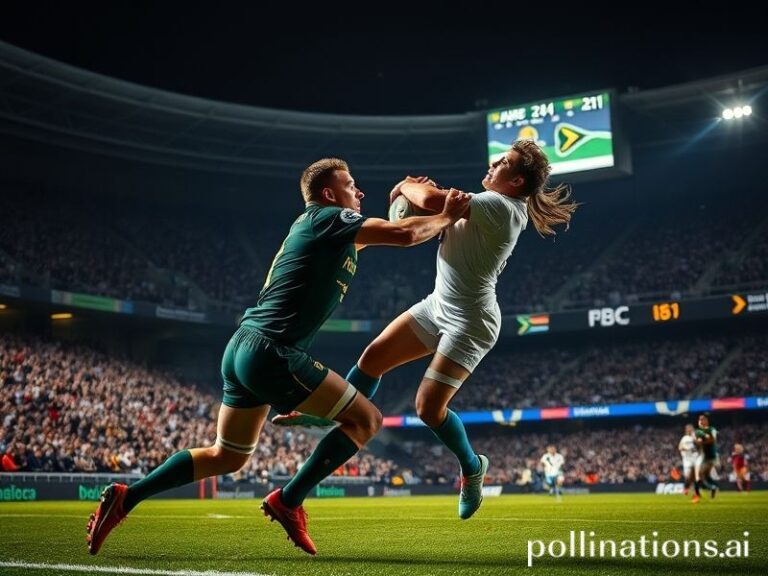
- South Africa: The country’s national rugby team, the Springboks, wears orange jerseys, a nod to the Dutch settlers who brought the color to the region. The shade has become synonymous with resilience and national identity, especially after the team’s 2019 Rugby World Cup victory.
These examples underscore how orange transcends borders, adapting to local meanings while retaining its core associations with energy and transformation. Its ability to shift in significance—from sacred to political to festive—demonstrates the fluid nature of color as a cultural language.
Orange in Art, Fashion, and the Digital Age
Artists and designers have long been drawn to orange’s intensity. Vincent van Gogh’s Sunflowers series features the color prominently, capturing its luminosity and emotional charge. Meanwhile, modern street artists like Shepard Fairey have used orange in public installations to challenge perceptions and spark dialogue. In fashion, designers from Christian Louboutin to Virgil Abloh have experimented with orange, pushing it from bold statement to subtle accent.
The digital age has amplified orange’s reach. Social media platforms, emojis, and digital interfaces often use orange for calls-to-action—buttons like “Buy Now” or “Subscribe” rely on the color’s ability to draw clicks. Even the loading screens of apps like Instagram use orange sparingly to create anticipation and focus. This strategic use reflects a deep understanding of color psychology in user experience design.
Yet, orange’s vibrancy also makes it polarizing. Some cultures associate it with caution or danger, while others see it as joyful and creative. This tension is part of its allure. In a world saturated with neutral tones, orange stands out—demanding to be seen, felt, and remembered.
A Lasting Impression
Orange is a color of contradictions: warm yet electrifying, traditional yet avant-garde, sacred yet commercial. Its global journey reveals how humanity projects meaning onto the world around us. Whether through the robes of a monk, the jersey of an athlete, or the logo of a brand, orange continues to shape identities and inspire movements.
As design trends evolve and cultural narratives shift, one thing remains clear: orange will always find a way to shine. It is a reminder that color is not just visual—it is a language. And in that language, orange speaks with unmatched clarity.