World Cup Sweepstake: The Global Tradition Explained
“`html
How the World Cup Sweepstake Became a Global Pastime
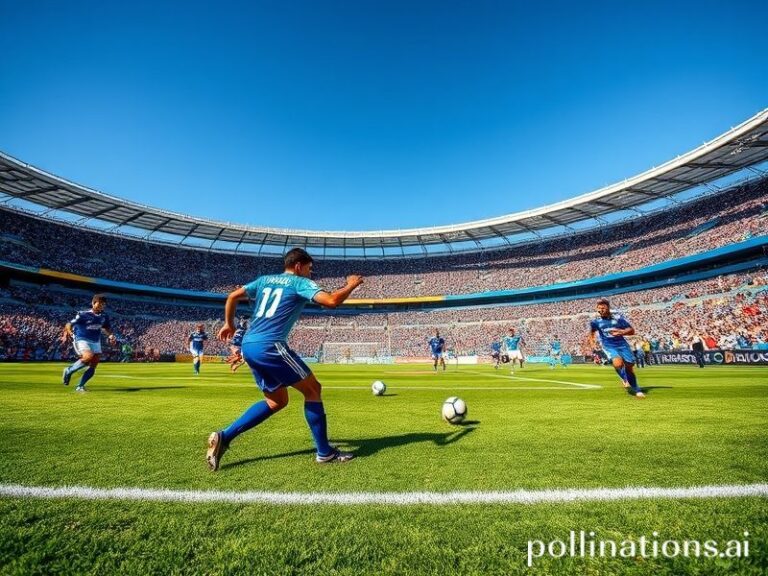
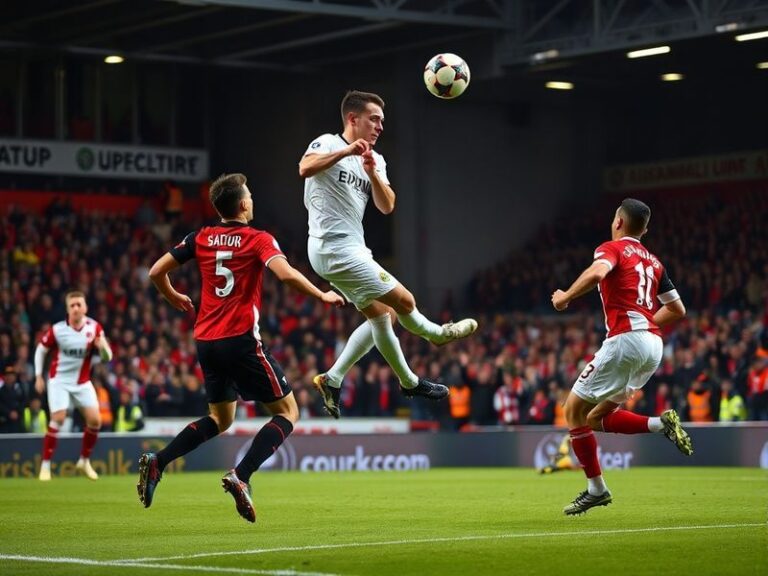
The World Cup sweepstake is more than a casual office tradition—it’s a global ritual that blends competition, camaraderie, and a dash of luck. Every four years, millions of people around the world gather around screens, phones, and office bulletin boards to mark their predictions for the tournament’s outcome. Whether it’s a small-scale workplace draw or a massive online competition, the sweepstake has evolved into a cultural touchstone that transcends borders and languages.
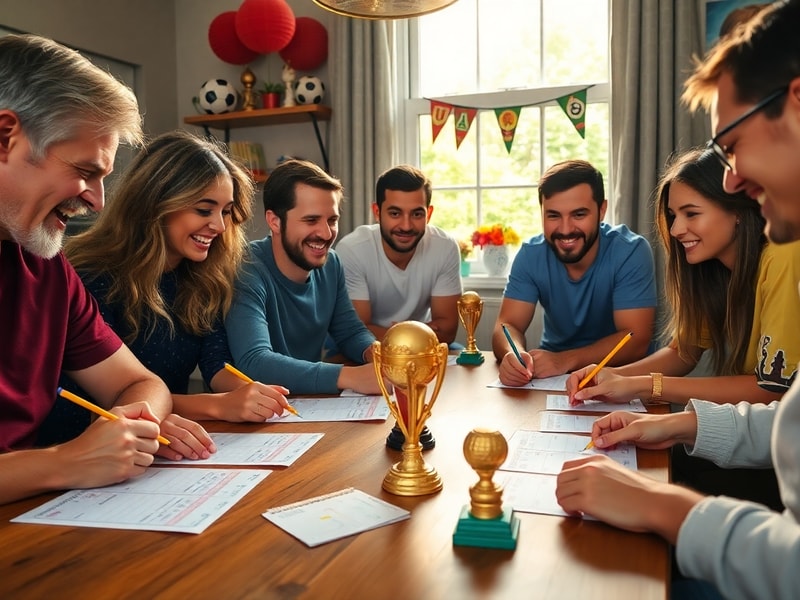
Unlike formal betting, which often involves complex odds and legal restrictions, the World Cup sweepstake thrives on simplicity and accessibility. Participants pay a small fee to enter, often receiving a randomly assigned team or player name. The winner is determined by the team’s performance in the tournament, rewarding knowledge, luck, or sheer audacity. This format has made it a favorite in workplaces, schools, and even family gatherings, where the stakes are low but the excitement is high.
The Origins and Evolution of the Sweepstake Tradition
The concept of the sweepstake isn’t new—it dates back centuries, with roots in maritime insurance and early forms of gambling. By the 20th century, it had seeped into sports culture, particularly in football (soccer), where fans sought ways to engage more deeply with tournaments like the World Cup. The rise of televised sports and office culture in the late 20th century accelerated its popularity, transforming it from a niche activity into a mainstream phenomenon.
In the digital age, the sweepstake has found a second wind. Online platforms now host sweepstakes for millions of users, offering automated draws, leaderboards, and even cash prizes. Apps and websites like Dave’s Locker have streamlined the process, allowing participants to join from anywhere in the world. This digital shift has democratized the experience, making it easier for casual fans and hardcore enthusiasts alike to participate.
The cultural significance of the World Cup sweepstake varies by region. In parts of Europe and Latin America, where football is a religion, sweepstakes are deeply embedded in local traditions. In Argentina, for example, “pozos” (sweepstakes) are organized by neighborhood clubs, with proceeds often going toward community projects. Meanwhile, in East Asian countries like Japan and South Korea, corporate sweepstakes have become a way for companies to boost morale and foster team spirit during the tournament.
Why the Sweepstake Resonates Across Cultures
The appeal of the World Cup sweepstake lies in its universality. It doesn’t require deep knowledge of the sport—just enthusiasm and a willingness to take a chance. For many, it’s a low-pressure way to engage with the World Cup, even if they’re not die-hard fans. The randomness of the draw adds an element of unpredictability, making every match feel consequential.
Culturally, the sweepstake also serves as a social glue. In multicultural workplaces or classrooms, it becomes a conversation starter, bridging gaps between people who might otherwise have little in common. The shared anticipation and friendly banter during matches create a sense of community, even among strangers. This is particularly evident in countries where the World Cup is a unifying event, such as Brazil or Nigeria, where national pride is on full display.
Another factor is the element of nostalgia. For many who grew up playing sweepstakes in school or with friends, the tradition carries sentimental value. It’s a way to reconnect with childhood memories while adding a modern twist. Social media has amplified this nostalgia, with participants sharing their predictions, trash-talking rivals, and celebrating wins in real time.
How to Run a Successful World Cup Sweepstake
Organizing a World Cup sweepstake isn’t complicated, but a few best practices can elevate the experience. Start by setting clear rules: Will it be a knockout-style draw where teams are eliminated, or a points-based system where participants earn rewards for correct predictions? Decide on the entry fee (if any) and prize structure—cash, gift cards, or even bragging rights work well. Digital tools like Google Sheets or dedicated sweepstake apps can simplify the process, automating the draw and tracking scores.
For larger groups, consider these steps:
- Promote early: Give participants ample time to sign up and research teams. Create a buzz with countdowns or trivia quizzes.
- Keep it simple: Avoid overly complex scoring systems. The goal is fun, not frustration.
- Engage with updates: Share match highlights, memes, or funny predictions to keep the momentum going.
- Celebrate diversity: Encourage participants to support underdog teams to add variety to the predictions.
For those hosting sweepstakes online, platforms like Dave’s Locker offer templates and tools to streamline the process. These platforms often include features like automated draws, real-time leaderboards, and even integrations with fantasy football leagues, making it easier to manage large-scale events.
The Future of the World Cup Sweepstake
As the World Cup expands to new host nations and formats, the sweepstake is likely to evolve alongside it. The 2026 tournament, co-hosted by the U.S., Canada, and Mexico, will bring the World Cup to North America for the first time since 1994, potentially introducing the sweepstake to new audiences. Meanwhile, innovations like blockchain-based draws and AI-generated predictions are beginning to enter the space, adding layers of transparency and excitement.
Yet, at its core, the sweepstake remains a human-centered tradition. It’s about connection, shared experiences, and the thrill of the unknown. As long as the World Cup captivates global audiences, the sweepstake will endure—adapting to new technologies and cultures while preserving its essence: a simple, joyful way to engage with the beautiful game.
Whether you’re a seasoned sweepstake veteran or a first-time participant, the key is to embrace the unpredictability. After all, that’s half the fun.