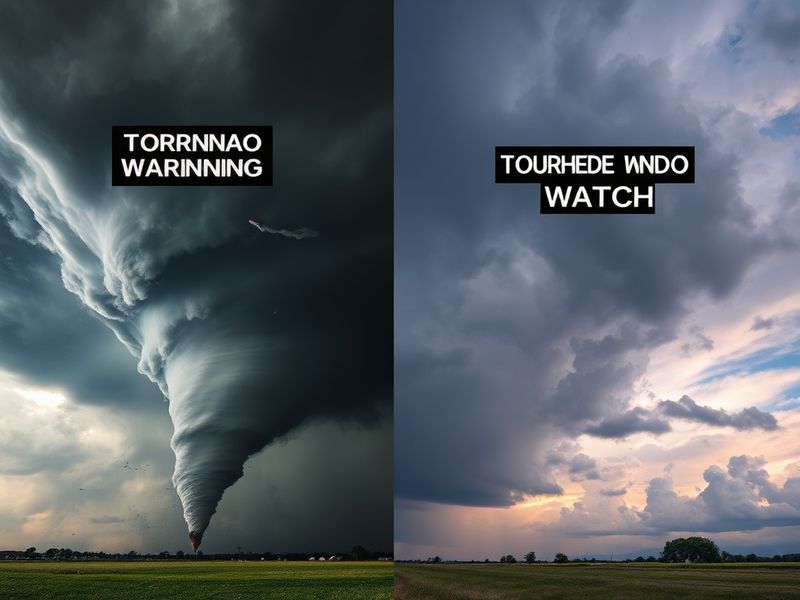
Tornado Warning vs Watch: Key Differences That Could Save Your Life
“`html
Tornado Warning vs Watch: Knowing the Difference Can Save Lives
Severe weather events demand quick reactions, but confusion between a tornado watch and a tornado warning can lead to critical delays. Understanding the distinction between these alerts isn’t just meteorological trivia—it’s a matter of safety. While both signal potential danger, their meanings and required responses differ significantly.
The National Weather Service issues these alerts based on specific criteria, but public awareness often lags behind the science. Many people assume both terms mean the same thing, which couldn’t be further from reality. Recognizing which alert applies to your area—and acting accordingly—could mean the difference between staying safe and facing unnecessary risks.
What Is a Tornado Watch?
A tornado watch is a proactive alert issued by the National Weather Service when conditions are favorable for tornadoes to develop. This doesn’t mean a tornado has been spotted or is imminent, but rather that the atmospheric setup could produce one. Watches typically cover large areas and last for several hours, giving residents time to prepare.
The key detail to remember is that a watch is a heads-up, not an immediate threat. It’s the weather service’s way of saying, “Stay alert—conditions are right for severe weather.” During a watch, you should review your emergency plan, check your supplies, and keep an eye on updates from local meteorologists. The goal isn’t to panic, but to ensure you’re ready if conditions worsen.
When Does the NWS Issue a Tornado Watch?
The decision to issue a watch involves analyzing multiple atmospheric factors. Meteorologists look for:
- Strong wind shear, which creates rotating updrafts in thunderstorms
- High instability in the atmosphere, fueling rapid storm development
- Moisture levels that support sustained thunderstorm activity
- Trigger mechanisms like cold fronts or drylines that initiate storms
These conditions often appear hours before any tornado forms, which is why watches cover broad regions. The NWS’s Storm Prediction Center issues most watches, sometimes days in advance, for areas where the risk is elevated but not yet certain.
Understanding a Tornado Warning
A tornado warning is far more urgent. It means a tornado has been spotted by trained observers, detected by radar, or is imminent based on atmospheric signatures. Unlike a watch, a warning is issued for a much smaller area and lasts for a shorter duration—usually 30 to 60 minutes. This alert demands immediate action.
Warnings are not issued lightly. The NWS only declares one when there’s high confidence in an approaching tornado. Radar signatures like hook echoes or debris balls, combined with ground reports from spotters, confirm the threat. If you’re in a warned area, you should seek shelter immediately, as a tornado could touch down within minutes.
How Warnings Differ from Watches
While both alerts aim to protect lives, their urgency and scope set them apart. Consider these key differences:
- Timing: Watches are issued hours ahead; warnings are for imminent danger.
- Scope: Watches cover entire regions; warnings target specific counties or towns.
- Action Required: Watches prompt preparation; warnings demand immediate shelter.
- Source of Information: Watches rely on forecast models; warnings often include radar and spotter reports.
This distinction is why emergency management officials stress the importance of having multiple ways to receive alerts. Sirens, weather apps, and NOAA weather radios all play a role in ensuring you don’t miss a critical warning.
Why the Confusion Matters—and How to Stay Safe
The line between a tornado watch and warning blurs in the heat of the moment. Social media amplifies this confusion, with users often sharing outdated or misinterpreted alerts. A study by the University of Oklahoma found that people who receive mixed messages are less likely to take protective action, even when a warning is issued.
Part of the problem is terminology. The words “watch” and “warning” don’t intuitively convey their severity. In other countries, alerts use simpler terms like “advisory” or “emergency,” which might reduce misunderstanding. Until the U.S. adopts a more straightforward system, public education remains the best tool for clarity.
How to Prepare Before the Alerts Arrive
Preparation long before severe weather strikes is the most effective way to stay safe. Start by identifying the safest place in your home—typically a basement or an interior room on the lowest floor. Practice your tornado drill with your family so everyone knows the routine. Keep emergency supplies ready, including water, non-perishable food, a flashlight, and a portable weather radio.
Technology can also help bridge the gap between confusion and action. Apps like the Dave’s Locker Weather Center provide real-time alerts tailored to your location. Pairing these tools with a NOAA weather radio ensures redundancy—critical when power outages or internet failures occur.
The Broader Impact of Severe Weather Alerts
Beyond individual safety, these alerts shape community responses and economic decisions. Schools and businesses often delay closures until a warning is issued, balancing safety with operational needs. Farmers, who can’t easily relocate equipment, rely on watches to plan their day. In tornado-prone regions like Tornado Alley, the economic cost of misinterpreting alerts is substantial—both in property damage and lost productivity.
Climate change is also altering how we interpret these alerts. Warmer temperatures increase atmospheric instability, potentially leading to more frequent and intense tornado outbreaks. A 2021 study in Weather and Climate Extremes found that the traditional boundaries of Tornado Alley are shifting eastward, putting new regions at risk. This means communities that rarely dealt with tornadoes must now pay closer attention to warnings.
The psychological toll of severe weather can’t be ignored either. Repeated false alarms—when a warning is issued but no tornado occurs—can lead to “alarm fatigue.” Residents may become complacent, delaying their response when a real threat emerges. Balancing urgency with accuracy is an ongoing challenge for meteorologists and emergency managers alike.
Lessons from Recent Events
Consider the 2021 tornado outbreak that struck Kentucky and surrounding states. Watches were issued hours in advance, yet the sheer scale of the event overwhelmed some communities. Warnings were accurate, but the rapid succession of tornadoes left little time for evacuation. This highlights why understanding the difference between a watch and a warning is only part of the equation—preparation and community coordination are equally vital.
In contrast, the 2011 Super Outbreak demonstrated the importance of clear communication. Despite the catastrophic damage, many lives were saved because residents heeded warnings promptly. The contrast between these events underscores a simple truth: knowledge saves lives, but only if acted upon.
Final Thoughts: Stay Informed, Stay Safe
Tornado watches and warnings serve distinct purposes, but both require attention. A watch prepares you for potential danger; a warning demands immediate action. The difference between them could be the seconds that save your life—or cost it.
Take time today to review your emergency plan. Identify your safest shelter, gather supplies, and ensure you have multiple ways to receive alerts. Follow trusted sources like the Dave’s Locker News Desk for updates during severe weather. And remember: when a warning is issued, don’t wait to see the tornado—act now.
Severe weather doesn’t discriminate, but preparation does. By understanding the alerts and responding appropriately, you turn uncertainty into action—and action into survival.