When severe weather threatens, few terms carry as much urgency as “tornado watch” and “tornado warning.” Though they sound similar, they describe entirely different levels of risk—and understanding the distinction could save lives. The National Weather Service (NWS) issues these alerts to prepare communities, but misinterpreting them can lead to confusion or worse. Here’s a detailed breakdown of what each term means, how they differ, and why both demand attention.
What Is a Tornado Watch?
A tornado watch is not an immediate threat. Instead, it signals that conditions are favorable for tornadoes to develop. The NWS issues a watch when atmospheric ingredients—such as instability, wind shear, and moisture—align in a way that could spawn twisters. These watches typically cover large areas and last for several hours.
Think of a tornado watch as a heads-up, similar to a fire danger alert in a dry forest. It’s a signal to stay alert, review your emergency plan, and keep an eye on the sky or local weather updates. You don’t need to take immediate action, but you should be prepared to act quickly if conditions worsen.
The NWS often coordinates with local emergency management to broadcast watches through weather radios, apps, and television. These alerts are color-coded on maps—usually yellow or orange—to indicate elevated risk. It’s a proactive measure, not a reactive one.
Key Features of a Tornado Watch
- Duration: Typically 4 to 8 hours, sometimes longer in large systems.
- Coverage: Can span multiple counties or even states.
- Action Required: Stay informed, prepare your safe space, and monitor updates.
- Issued By: Storm Prediction Center (SPC) in collaboration with local NWS offices.
Residents in watch areas should avoid outdoor activities that could delay sheltering, such as long hikes or boating. It’s also a good time to charge phones, gather flashlights, and locate helmets or sturdy shoes in case of debris. A watch is your cue to mentally prepare—because the situation could escalate.
What Is a Tornado Warning?
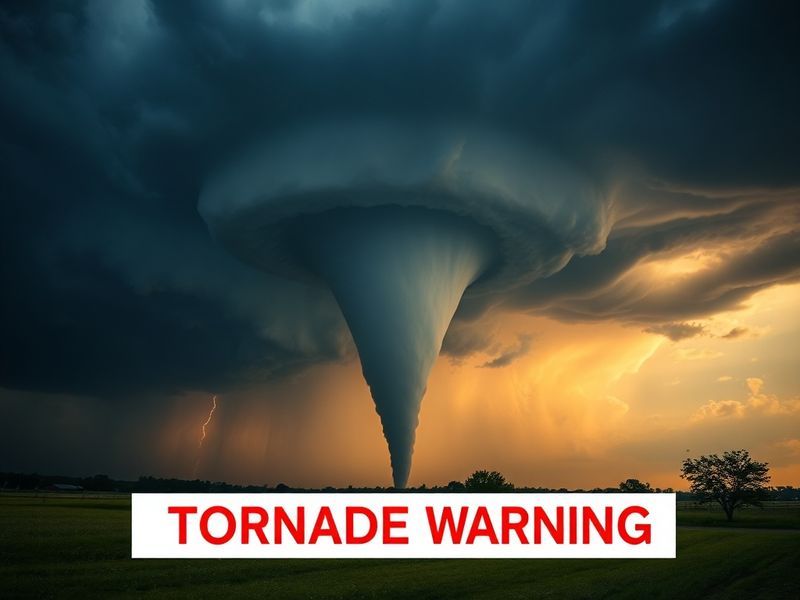
A tornado warning is far more urgent. It means a tornado has been spotted or detected by radar, and immediate action is required. Warnings are issued for much smaller areas—often a single county or even part of one—and last for 30 to 60 minutes. This is when danger is imminent, and every second counts.
Unlike watches, warnings are not based on forecasted conditions but on real-time evidence. This could come from trained storm spotters, law enforcement, or Doppler radar showing a classic “hook echo” or debris signature. When a warning is issued, it’s time to act—immediately.
Warnings are typically issued with higher urgency, using tones on weather radios and urgent broadcasts. The NWS may also use terms like “radar indicated” or “observed” to describe the level of certainty. In some cases, local officials may activate tornado sirens or send emergency alerts to mobile phones.
Key Features of a Tornado Warning
- Duration: Usually 30 to 60 minutes, sometimes shorter.
- Coverage: A county or portion of a county—smaller and more precise.
- Action Required: Take shelter immediately in a sturdy building, preferably in a basement or interior room on the lowest floor.
- Issued By: Local NWS forecast offices based on real-time data.
During a warning, basements, storm shelters, or interior bathrooms without windows are the safest options. Avoid mobile homes, vehicles, and large open spaces like gymnasiums or auditoriums. If you’re outdoors with no shelter nearby, lie flat in a low ditch and cover your head—this is a last resort.
Common Misconceptions and Why They Matter
One of the most dangerous myths is that tornadoes won’t strike the same place twice. Reality tells a different story. Moore, Oklahoma, for example, has been hit by multiple violent tornadoes, including EF5s in 1999 and 2013. Another myth is that highway overpasses are safe shelters—this has been debunked repeatedly. Overpasses can create wind tunnels that increase danger from flying debris.
Another persistent error is relying solely on outdoor sirens. These are designed for outdoor warning only and may not be heard indoors. Modern technology, such as smartphone alerts and weather apps, now provides more reliable notifications. Yet, rural areas with poor signal coverage may still face delays in receiving warnings.
It’s also worth noting that not all tornadoes are visible. Some form quickly in rain-wrapped storms, making them nearly invisible until they’re upon you. This is why radar detection is so critical—it can reveal rotation even when the funnel isn’t visible. Never wait for visual confirmation before seeking shelter during a warning.
How to Stay Ahead of the Storm
Preparedness begins long before a watch or warning is issued. Start by identifying your safe space—a basement, storm shelter, or interior room on the lowest floor. Practice your tornado drill with family or roommates, including pets. Assemble an emergency kit with water, non-perishable food, a first-aid kit, flashlights, batteries, and a portable phone charger.
Weather apps from reputable sources like the NWS, Weather Underground, or AccuWeather can provide real-time alerts. Enable location services and push notifications for tornado warnings in your area. If you live in a mobile home, identify a nearby sturdy building where you can shelter quickly. Mobile homes are particularly vulnerable to tornado damage.
For those who spend time outdoors, apps like Dave’s Locker Sports or local radar tools can be lifesaving. They provide minute-by-minute updates when you’re away from traditional media. Coaches, umpires, and event organizers should have a weather plan in place, including a designated shelter area and a way to receive warnings.
Finally, community awareness matters. Schools, hospitals, and businesses should conduct regular tornado drills. Local emergency management often hosts storm spotter training, teaching residents how to identify dangerous cloud formations and report them accurately. Knowledge shared is lives saved.
Real-World Examples Highlight the Difference
On April 27, 2011, a historic tornado outbreak struck the southeastern U.S., producing 362 tornadoes across 21 states. The SPC issued tornado watches hours in advance, giving residents time to prepare. But the warnings came in rapid succession as storms developed. In Alabama alone, 62 tornadoes touched down that day, including multiple EF5s. The difference between being in a watch and a warning zone often meant minutes—or life and death.
Contrast that with a quieter day in Kansas in 2020. A tornado watch was issued across much of the state, but no tornadoes formed. While some residents may have felt the alert was unnecessary, the watch served its purpose: it kept people alert. The absence of tornadoes doesn’t mean the watch was a false alarm—it means the forecast worked.
These examples show that both watches and warnings play vital roles. A watch prepares; a warning protects. One is a forecast. The other is a life-saving directive.
Conclusion: Stay Informed, Stay Safe
Tornadoes remain one of nature’s most unpredictable forces, but our ability to detect and communicate risk has improved dramatically. A tornado watch tells you to get ready. A tornado warning tells you to take cover. Knowing the difference—and responding appropriately—can make all the difference when the sky turns dark.
Technology continues to evolve, with AI-driven models improving lead times for warnings. Yet, human behavior still plays the biggest role. Sharing accurate information, trusting official sources, and acting without delay are the most powerful tools we have. Whether you’re a farmer in rural Oklahoma, a parent in suburban Dallas, or a traveler in the Midwest, understanding tornado alerts is a civic duty—and a personal responsibility.
Stay weather-aware. Prepare in advance. And when the warning sounds, don’t hesitate. The life you save may be your own.