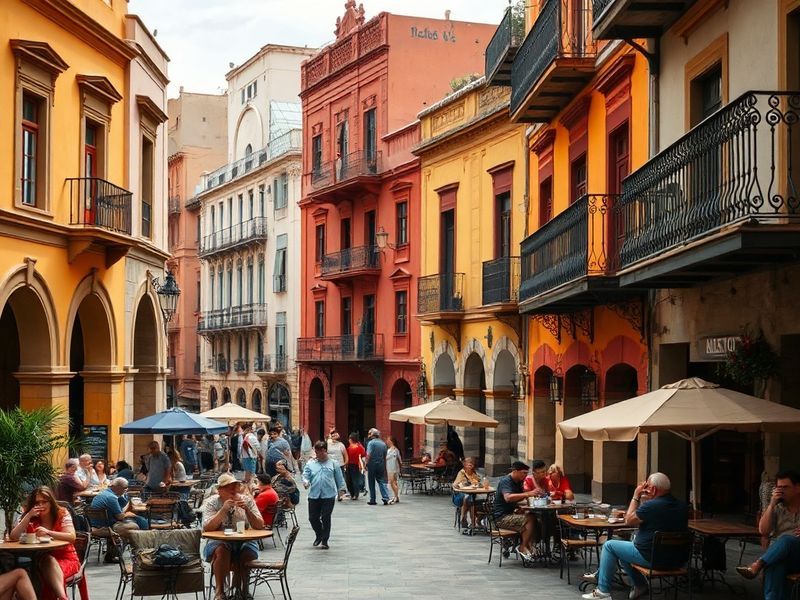
Mexico’s colonial cities are more than just postcard-perfect destinations. They are living museums of history, art, and tradition. Two of the country’s most celebrated colonial cities, Guadalajara and Puebla, offer travelers a journey through Mexico’s heart and soul. While Guadalajara pulses with Jalisco’s vibrant modernity, Puebla exudes the quiet elegance of its well-preserved 16th-century architecture. Together, they form a corridor of culture that reveals the layers of Mexico’s colonial past and contemporary identity.
Why These Two Cities Stand Out in Mexico’s Landscape
Guadalajara, known as the “Pearl of the West,” is Mexico’s second-largest city and a cultural powerhouse. It is the birthplace of mariachi music, tequila, and a thriving arts scene. Puebla, on the other hand, is a UNESCO World Heritage site, renowned for its Baroque architecture, Talavera pottery, and mole poblano. The contrast between the two cities is striking: one is dynamic and youthful; the other is serene and historic. Yet both share a deep connection to Mexico’s colonial roots and indigenous heritage.
What makes the route from Guadalajara to Puebla particularly compelling is the diversity of experiences it offers. Travelers can explore colonial towns like Guanajuato and Querétaro along the way, each with its own unique character. The journey is not just about distance—it’s about time, culture, and the slow unraveling of Mexico’s complex identity.
A Brief History of the Region
The colonial history of this region dates back to the early 16th century when Spanish conquistadors established settlements across central Mexico. Guadalajara was founded in 1542, becoming a key administrative and religious center in western Mexico. Puebla, established in 1531, was one of the first planned cities in colonial Mexico, designed with a grid layout that still defines its streets today.
Both cities played crucial roles in Mexico’s independence movement. Guadalajara was a stronghold of liberal thought, while Puebla became famous for its resistance during the 1862 Battle of Cinco de Mayo, where Mexican forces defeated French troops. These historical events are still celebrated and reflected in the cities’ monuments, museums, and public squares.
What to See and Do in Guadalajara
Guadalajara is a city of neighborhoods, each with its own rhythm and charm. The historic center, centered around the Plaza de Armas and the Cathedral of Guadalajara, is a must-visit. The cathedral, with its twin towers and neoclassical façade, dominates the skyline and serves as a gathering place for locals and visitors alike.
For art lovers, the Instituto Cultural Cabañas is a highlight. This former hospice, a UNESCO World Heritage site, houses murals by José Clemente Orozco, one of Mexico’s most celebrated muralists. The murals depict the struggles and triumphs of the Mexican people, offering a powerful visual narrative of the country’s history.
The city’s culinary scene is another major draw. Guadalajara is the birthplace of birria, a spicy stew made with goat or beef, and tortas ahogadas, sandwiches drowned in tomato sauce. Markets like Mercado San Juan de Dios are perfect for sampling these dishes and experiencing the city’s vibrant street food culture.
Day Trips from Guadalajara
Just a short drive from the city, visitors can explore the charming town of Tequila, where the famous spirit is produced. A tour of the José Cuervo distillery offers insight into the production process and the history of tequila. Nearby Lake Chapala and Ajijic provide a peaceful retreat with stunning views of the surrounding mountains.
For those interested in colonial architecture, the town of Tlaquepaque is a must-visit. Known for its artisan workshops and cobblestone streets, it feels like a step back in time. The town is also home to the Museo Pantaleón Panduro, which showcases the intricate art of papier-mâché.
The Allure of Puebla: A Colonial Jewel
Puebla is often described as one of Mexico’s most beautiful cities, and for good reason. Its historic center is a UNESCO World Heritage site, filled with ornate churches, grand plazas, and colorful buildings. The city’s architecture is a testament to its wealth during the colonial period, when it was a center of trade and craftsmanship.
The Puebla Cathedral, with its towering towers and intricate façade, is a masterpiece of 16th-century design. Nearby, the Biblioteca Palafoxiana, founded in 1646, is one of the oldest public libraries in the Americas. Its collection of ancient manuscripts and books offers a glimpse into the intellectual life of colonial Mexico.
Puebla is also a city of gastronomy. It is the birthplace of mole poblano, a rich and complex sauce made with chocolate, chilies, and spices. The city’s Talavera pottery is another iconic craft, with its distinctive blue and white designs. Visitors can tour workshops in the town of Atlixco to see how these ceramics are made.
Exploring the Surrounding Area
Within a short distance of Puebla, travelers can visit the Great Pyramid of Cholula, the largest pyramid in the world by volume. The pyramid is topped by the Church of Nuestra Señora de los Remedios, offering a striking contrast between indigenous and colonial history. The nearby town of Atzompa is known for its green-glazed Talavera pottery and scenic views.
For nature lovers, the Popocatépetl volcano is a dramatic presence on the horizon. While climbing the volcano is restricted, the nearby Parque Nacional Iztaccíhuatl-Popocatépetl offers hiking trails and stunning views of the surrounding landscape.
Traveling Between Guadalajara and Puebla: Routes and Experiences
The journey between Guadalajara and Puebla covers approximately 650 kilometers and takes about 8-9 hours by car, depending on traffic and road conditions. Travelers have several options for making the trip, each offering a different experience.
By Car: Freedom and Flexibility
Driving from Guadalajara to Puebla allows for flexibility and the opportunity to explore smaller towns along the way. The most direct route follows Highway 15D, a toll road that passes through Jalisco, Guanajuato, and Querétaro before reaching Puebla. This route offers a mix of urban and rural landscapes, with plenty of opportunities to stop and explore.
One of the most scenic detours is through Guanajuato, a UNESCO World Heritage city known for its colonial architecture and underground tunnels. The city’s Plaza de la Paz and Callejón del Beso are popular attractions. Another stop could be Querétaro, with its well-preserved historic center and vibrant arts scene.
By Bus: Comfort and Convenience
For those who prefer not to drive, buses offer a comfortable and affordable option. Companies like ETN and Primera Plus operate luxury buses on this route, with amenities such as reclining seats, Wi-Fi, and onboard meals. The journey typically takes around 10-12 hours, with stops in major cities like León, Guanajuato, and Querétaro.
Traveling by bus also provides an opportunity to observe the changing landscapes. From the bustling streets of Guadalajara to the arid plains of Guanajuato and the lush valleys of Puebla, the scenery offers a visual journey through Mexico’s diverse geography.
By Air: Speed and Convenience
While there are no direct flights between Guadalajara and Puebla, travelers can fly from Guadalajara’s Miguel Hidalgo y Costilla International Airport to Puebla’s Hermanos Serdán International Airport. The flight takes about an hour, making it the fastest option. However, travelers should factor in the time and cost of ground transportation to and from the airports.
For those short on time or seeking convenience, flying can be a practical choice. It also allows for a quick transfer between the two cities without the need for overnight stops along the way.
Cultural Exchange and Local Traditions
The cultural exchange between Guadalajara and Puebla is evident in everything from their cuisine to their festivals. Both cities celebrate their traditions with pride, offering visitors a chance to experience Mexico’s rich cultural heritage firsthand.
In Guadalajara, festivals such as the Feria Internacional de Guadalajara and the Festival de Cine de Guadalajara draw international crowds. These events showcase the city’s creativity and innovation, from film and music to food and fashion.
Puebla’s festivals are equally vibrant. The city’s Cinco de Mayo celebrations are among the most famous in Mexico, commemorating the 1862 battle with parades, music, and reenactments. The Festival de Puebla, held annually in October, features concerts, art exhibitions, and culinary competitions, highlighting the city’s cultural diversity.
Art and Craftsmanship
Both cities are centers of art and craftsmanship, with long-standing traditions that continue to thrive today. In Guadalajara, the town of Tonalá is known for its ceramics and glasswork, while Tlaquepaque is famous for its pottery and blown glass. Puebla’s Talavera pottery is a UNESCO-recognized cultural heritage, with workshops in the city and nearby towns producing pieces that are both functional and decorative.
Visitors can watch artisans at work, purchase handmade goods, and even try their hand at creating their own pottery or textiles. These experiences offer a deeper connection to Mexico’s artistic traditions and the skill and dedication of its craftspeople.
Conclusion: A Journey Worth Taking
The route from Guadalajara to Puebla is more than just a trip between two cities—it is a journey through Mexico’s history, culture, and natural beauty. Whether you choose to drive, take the bus, or fly, the experience offers something for every traveler. From the bustling streets of Guadalajara to the serene plazas of Puebla, the journey reveals the depth and diversity of Mexico’s colonial heritage and contemporary life.
For those seeking to explore Mexico beyond its tourist hotspots, this route is a perfect choice. It provides an opportunity to connect with local communities, sample regional cuisine, and witness the craftsmanship that defines Mexico’s cultural identity. Whether you have a week or just a few days, the journey from Guadalajara to Puebla is a rewarding adventure that will leave you with a deeper appreciation for Mexico’s rich and complex history.