Howe Park: Buckinghamshire’s Hidden Ecological Gem
“`html
Howe Park: A Hidden Natural Treasure in Buckinghamshire
Nestled between the towns of Milton Keynes and Bletchley in Buckinghamshire, Howe Park remains one of England’s lesser-known yet remarkably diverse green spaces. Spanning approximately 140 acres, this Site of Special Scientific Interest (SSSI) offers more than just scenic walks—it serves as a vital habitat for wildlife, a haven for birdwatchers, and a recreational retreat for local communities.
The park’s history stretches back centuries, originally part of the larger Howe Estate owned by the Selby-Lowndes family. Over time, its agricultural lands were transformed into a mosaic of woodlands, wetlands, and meadows, creating an ecological mosaic that supports an impressive variety of flora and fauna. Today, it stands as a testament to the delicate balance between conservation and public access.
The Ecological Significance of Howe Park
Howe Park’s ecological value lies in its diverse habitats, each supporting unique species. The site includes ancient woodlands, neutral grasslands, and several small ponds, all of which contribute to its SSSI designation. Among its most notable features are the veteran oak and ash trees, some of which are over 200 years old, providing critical nesting sites for birds such as the great spotted woodpecker and tawny owl.
The wetlands within the park are particularly important for amphibians. Common frogs, toads, and smooth newts thrive in the shallow pools, while dragonflies and damselflies dart over the water’s surface during summer months. The park’s grasslands, managed through traditional hay-cutting practices, support wildflowers like oxeye daisies, knapweed, and meadow cranesbill, which in turn attract pollinators such as bees and butterflies.
According to Natural England, Howe Park is one of the few remaining sites in the region where such a rich diversity of habitats coexists. Its conservation status underscores the importance of preserving these environments amid increasing urbanization and agricultural intensification.
Notable Species Found in Howe Park
- Birds: Song thrush, blackcap, willow warbler, tawny owl
- Mammals: European hare, harvest mouse, pipistrelle bats
- Reptiles & Amphibians: Common lizard, grass snake, smooth newt
- Invertebrates: Marbled white butterfly, stag beetle, emperor dragonfly
Recreational Opportunities and Community Engagement
Beyond its ecological importance, Howe Park is a cherished destination for walkers, joggers, and families. The park features well-maintained footpaths that wind through woodlands and alongside ponds, offering visitors a peaceful escape from nearby urban areas. A popular route is the circular walk around the park’s perimeter, which takes approximately 45 minutes to complete and provides scenic views of the changing seasons.
Local schools frequently visit Howe Park as part of educational programs focused on nature and conservation. The park’s open meadows and woodlands serve as an outdoor classroom, where children can learn about local wildlife, plant identification, and the principles of habitat management. Events such as guided birdwatching walks and guided nature tours are regularly organized by the Outdoors enthusiasts and local wildlife groups.
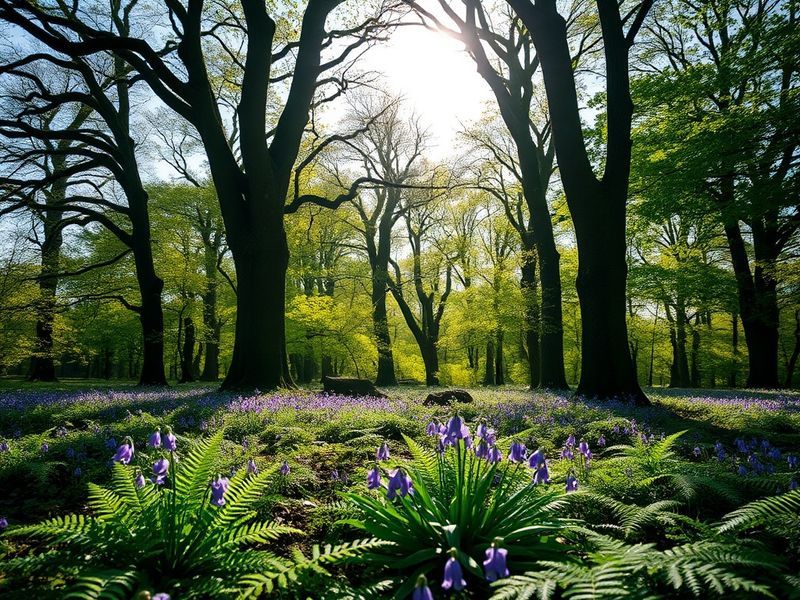
For those interested in photography, Howe Park offers year-round opportunities. Spring brings bursts of bluebells and primroses, while autumn transforms the woodlands into a golden canopy. Winter months reveal the intricate patterns of bare branches and the quiet beauty of frost-covered ponds.
The Challenges of Conservation and Future Plans
Despite its protected status, Howe Park faces ongoing challenges. Invasive plant species, such as Himalayan balsam and Japanese knotweed, threaten to disrupt the natural balance of the ecosystem. Efforts to control these species involve regular monitoring and volunteer-led removal programs. Additionally, the park’s proximity to urban areas means it is subject to littering and unauthorized access, which can disturb wildlife.
The Howe Park Management Group, in partnership with Buckinghamshire Council and local conservation charities, has developed a long-term management plan. Key priorities include restoring wetland areas, enhancing grassland diversity, and improving visitor facilities. One of the most ambitious projects is the creation of a new wildlife pond, designed to support amphibians and aquatic insects while providing an additional habitat for birds.
Public engagement remains critical to the park’s future. The management group encourages volunteers to participate in practical conservation tasks, such as hedge laying, tree planting, and wildlife surveys. These activities not only benefit the park but also foster a sense of stewardship among local residents.
How to Get Involved
Visitors looking to contribute to Howe Park’s conservation can join one of the regular volunteer days, which are advertised on the Community noticeboard. Tasks range from litter picks to habitat restoration, and no prior experience is required. For those unable to volunteer, simply enjoying the park responsibly—staying on marked paths, keeping dogs under control, and refraining from picking wildflowers—helps protect its delicate ecosystems.
Why Howe Park Matters in a Changing Landscape
In an era where green spaces are increasingly under pressure from development and climate change, Howe Park stands as a reminder of the value of preserving natural habitats. Its mosaic of woodlands, wetlands, and grasslands provides a refuge for wildlife while offering residents a place to reconnect with nature. The park’s success as a conservation site relies on a delicate balance—between protecting its ecological integrity and ensuring it remains accessible to the public.
As Buckinghamshire continues to grow, the lessons learned from Howe Park’s management could inform the creation and maintenance of other urban green spaces. The park demonstrates that conservation is not just about safeguarding rare species but also about fostering community connections and promoting well-being through access to nature.
Whether you’re a birdwatcher, a family looking for a weekend adventure, or simply someone seeking a moment of tranquility, Howe Park offers something for everyone. Its quiet beauty and ecological richness make it a hidden gem worth protecting for future generations.