<h2>The Munich Open: A Tennis Tradition Blending Sport and Culture</h2>

<p>The Munich Open, known historically as the BMW Open, stands as one of Europe’s most storied clay-court tournaments. Since its inception in 1899, the event has evolved from a regional German championship into a globally recognized stop on the ATP Tour. But beyond the baseline rallies and trophy presentations, the tournament embodies a deeper cultural resonance—one that reflects Munich’s unique blend of tradition, modernity, and Bavarian identity.</p>

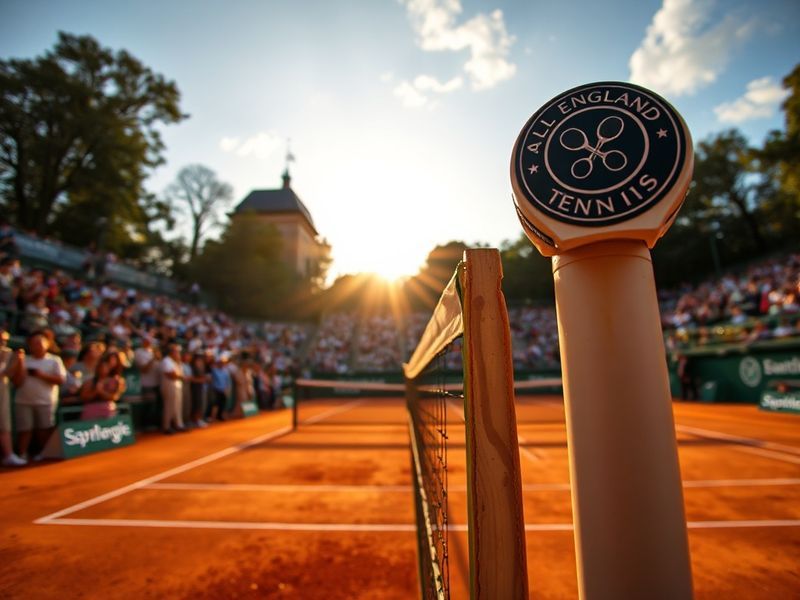
<p>Set against the backdrop of the iconic MTTC Iphitos club in Munich’s Bogenhausen district, the tournament unfolds each April, marking the transition from indoor winter tours to the outdoor clay season. While its sporting significance is undeniable, the Munich Open also serves as a cultural bridge, attracting international players and fans who bring diverse perspectives to Bavaria’s historic tennis stage.</p>

<h3>The Evolution of a Tennis Institution</h3>

<p>Founded as the Münchner Tennis- und Turnierclub (MTTC) Open, the tournament was initially a gathering for local elites. By the mid-20th century, it gained prestige under the sponsorship of BMW, transforming into a professional event that drew top-ranked players. Legends like Boris Becker, Michael Stich, and Tommy Haas have all lifted the trophy, embedding their names in German tennis lore.</p>

<p>Today, the Munich Open is part of the ATP 250 series, offering 28 players a chance to compete for ranking points, prize money, and ATP glory. Unlike the more glamorous Masters 1000 events, the Munich Open thrives on intimacy—its modest-sized stadium and lush green surroundings create an atmosphere where fans can nearly touch the action. This accessibility has helped it cultivate a loyal following, especially among German tennis enthusiasts.</p>

<p>The tournament’s longevity is a testament to Munich’s commitment to preserving its sporting heritage. In an era where many events chase global expansion, the Munich Open has remained rooted in its community while still embracing international appeal. It’s a balancing act that reflects the city’s broader character: proud of its past, yet open to the world.</p>

<h3>A Global Stage with Local Roots</h3>

<p>While the Munich Open is undeniably German, its influence extends far beyond Bavaria. The ATP Tour draws players from over 30 countries, and Munich’s clay courts have hosted champions from Serbia, Spain, Argentina, and beyond. This diversity is not just athletic—it’s cultural. Players bring their training regimens, fan traditions, and even culinary habits, subtly shaping the tournament’s ambiance.</p>

<p>For instance, the presence of Spanish and Latin American players often introduces a rhythmic cadence to the courtside atmosphere, with fans responding to their styles of play and personalities. Meanwhile, German players—often products of the country’s robust tennis academies—embody a disciplined, strategic approach that resonates with local spectators.</p>

<p>The tournament also serves as a cultural exchange hub. During the week, the club’s facilities buzz with languages from across the globe. Sponsors like BMW and Rolex, alongside local Bavarian breweries, create a fusion of global brands and regional pride. Even the on-site hospitality reflects this blend, offering traditional Weißwurst and pretzels alongside international cuisine.</p>

<p>This interplay of global and local is mirrored in Munich’s broader identity. As a city known for Oktoberfest, BMW, and its thriving arts scene, Munich has long been a crossroads of tradition and innovation. The tennis tournament, in its own way, channels that duality—honoring the past while welcoming the future.</p>

<h3>The Fan Experience: More Than Just a Match</h3>

<p>Attending the Munich Open is as much about the experience as it is about the tennis. The MTTC Iphitos club, with its red-brick villas and manicured courts, feels like stepping into a 19th-century sporting novel. Yet, modern amenities—high-speed Wi-Fi, sustainability initiatives, and digital scoreboards—ensure the event stays relevant.</p>

<p>Fans enjoy a range of activities beyond the main draw. The tournament grounds feature player practice sessions open to the public, allowing aspiring athletes to catch a glimpse of their idols up close. Meanwhile, the fan zone offers interactive games, tennis clinics, and even beer gardens—a nod to Bavaria’s famed hospitality.</p>

<p>For families, the Munich Open provides a rare opportunity to introduce children to professional tennis in a relaxed setting. The tournament’s family-friendly policies, including discounted tickets and junior clinics, have helped grow the next generation of fans. This grassroots approach ensures that the event remains sustainable for decades to come.</p>

<p>Another unique aspect is the tournament’s integration with Munich’s public transit system. The U4 subway line drops fans directly at the Richard-Strauss-Straße station, making the event easily accessible to both locals and tourists. This convenience has contributed to the tournament’s strong attendance figures, often drawing crowds of over 40,000 across the week.</p>

<h3>Looking Ahead: The Future of the Munich Open</h3>

<p>As the Munich Open approaches its 125th anniversary, its organizers face both challenges and opportunities. The ATP Tour continues to expand, with new events launching in the Middle East and Asia. In this competitive landscape, Munich must balance tradition with innovation to retain its appeal.</p>

<p>One potential avenue is sustainability. Like many sporting events, the Munich Open is under pressure to reduce its environmental footprint. Efforts like eliminating single-use plastics and promoting public transport align with Munich’s broader green initiatives. These changes could enhance the tournament’s reputation as a forward-thinking event.</p>

<p>Another consideration is technological integration. While the clay courts and historic clubhouse are non-negotiable, enhancements like augmented reality (AR) player stats or virtual reality (VR) fan experiences could modernize the viewing experience without compromising the event’s charm.</p>

<p>The tournament’s success ultimately hinges on its ability to stay true to its roots while adapting to a changing world. For now, the Munich Open remains a beloved fixture in the tennis calendar—a place where sport, culture, and community intersect.</p>

<p>As one longtime attendee put it, “It’s not just about who wins the trophy. It’s about the stories you hear, the friendships you make, and the feeling of being part of something that’s lasted for generations.”</p>

<p>In a sport often criticized for losing touch with its fans, the Munich Open offers a refreshing reminder of what makes tennis—and sports in general—so special.</p>

---

<h2>The Munich Open Through the Decades: Key Moments</h2>

<p>The Munich Open’s history is rich with defining moments that have shaped its legacy. Here are some highlights:</p>

<ul>
  <li><strong>1960s:</strong> The tournament gains professional status, attracting international players for the first time.</li>
  <li><strong>1980s:</strong> Boris Becker wins his first ATP title in Munich in 1986, launching a career that would redefine German tennis.</li>
  <li><strong>1990s:</strong> Michael Stich claims the title in 1990, later becoming a Davis Cup hero for Germany.</li>
  <li><strong>2000s:</strong> Tommy Haas, a Munich native, wins the tournament three times, becoming the event’s most decorated champion in the modern era.</li>
  <li><strong>2010s:</strong> The tournament transitions to a fully outdoor clay-court event, solidifying its place on the ATP calendar.</li>
  <li><strong>2020s:</strong> Despite the pandemic, the event returns with enhanced safety measures, proving its resilience.</li>
</ul>

<p>Each of these moments reflects broader trends in tennis—from the rise of German champions to the sport’s globalization. They also highlight the tournament’s ability to adapt while maintaining its core identity.</p>

---

<h2>Why the Munich Open Matters Beyond Tennis</h2>

<p>The Munich Open is more than a sporting event; it’s a cultural touchstone. Here’s why it stands out:</p>

<p><strong>Economic Impact:</strong> The tournament injects millions into Munich’s economy, supporting local businesses from hotels to restaurants. According to the city’s chamber of commerce, the event generates over €10 million annually in direct and indirect revenue.</p>

<p><strong>Community Engagement:</strong> Programs like the “Tennis in Schools” initiative introduce thousands of children to the sport each year. The tournament also partners with local charities, using its platform to raise awareness for social causes.</p>

<p><strong>Cultural Diplomacy:</strong> The Munich Open attracts diplomats, business leaders, and cultural figures, reinforcing Bavaria’s role as a hub for international exchange. It’s not uncommon to see ambassadors or CEOs mingling in the stands, underscoring the event’s broader significance.</p>

<p><strong>Innovation Hub:</strong> The tournament has become a testing ground for new technologies, from player tracking systems to sustainable event management. These innovations often set trends adopted by other ATP events.</p>

<p>In many ways, the Munich Open encapsulates the spirit of its host city. It’s a place where history and progress coexist, where tradition meets innovation, and where sport brings people together across borders. As tennis continues to evolve, the Munich Open remains a steadfast reminder of what makes the game—and the communities it serves—truly special.</p>

---