Submarines: The Silent Force Shaping Our World
“`html
Submarines: Silent Guardians of the Deep
The ocean covers over 70% of Earth’s surface, yet humanity has explored less than 20% of its depths. Submarines—those enigmatic vessels that slip beneath the waves—have long captured our collective imagination. From Cold War espionage to deep-sea research, these machines serve as both tools of discovery and instruments of power. Their silent glide through the abyss makes them uniquely suited for missions where stealth and endurance matter most.
The Evolution of Submarine Technology
Submarine development traces back centuries, but it wasn’t until the 20th century that these vessels truly came into their own. The first military submarines appeared during the American Civil War, with the Hunley becoming the first to sink an enemy ship. Yet these early models were little more than ironclad coffins, plagued by oxygen shortages and structural failures.
World War I and II accelerated submarine innovation. Germany’s U-boats nearly crippled Allied supply lines, prompting advancements in sonar, radar, and torpedo technology. By the Cold War, submarines had evolved into nuclear-powered behemoths capable of circumnavigating the globe without surfacing. Today, nations invest billions in silent-running electric submarines and autonomous underwater vehicles (AUVs) that operate without a crew.
- Early submarines: Hand-cranked or sail-powered, limited by oxygen and speed.
- World War era: Diesel-electric models introduced, balancing stealth and range.
- Cold War breakthroughs: Nuclear propulsion enabled near-infinite endurance.
- Modern era: AUVs and lithium-ion batteries redefine undersea exploration.
How Submarines Operate Beneath the Surface
Submarines defy physics to operate in an environment where pressure increases by one atmosphere every 10 meters. Their hulls must withstand crushing forces, often using advanced steel alloys or titanium composites. Ballast tanks flood with water to descend, then expel it with compressed air to rise—a process that sounds simple but demands precision engineering.
Life support systems are equally critical. Nuclear submarines carry desalination plants to convert seawater into drinking water, while air filtration systems scrub out carbon dioxide. Modern crews train for months to endure the psychological toll of prolonged isolation in a metal tube thousands of feet below the surface.
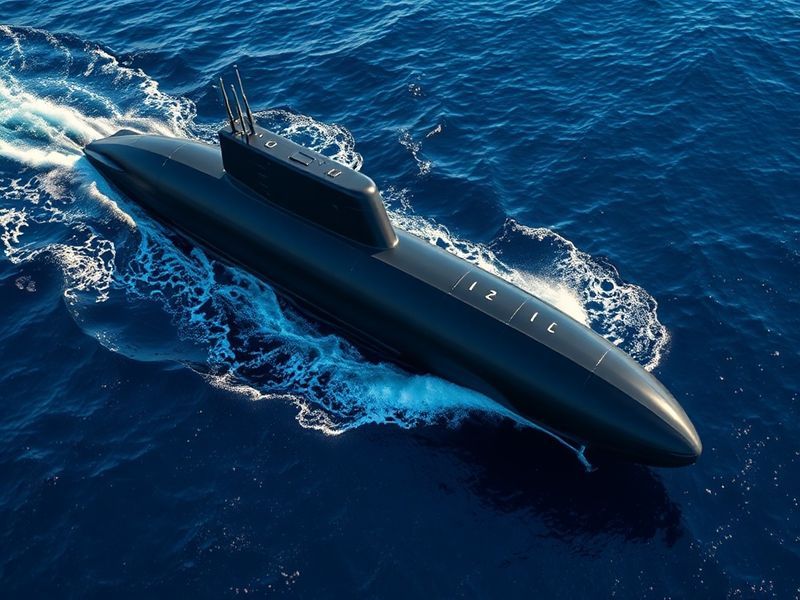
The propulsion systems vary widely. Nuclear submarines, like the U.S. Virginia-class, rely on fission reactors that generate steam to turn turbines. Diesel-electric boats, such as Germany’s Type 212, use batteries for silent running before recharging via snorkel. Meanwhile, experimental air-independent propulsion (AIP) systems allow submarines to stay submerged for weeks without surfacing.
The Broader Implications of Submarine Dominance
Submarines aren’t just military assets; they shape geopolitics, economics, and even environmental science. In an era of rising tensions, nations like China and Russia are expanding their submarine fleets, turning the ocean into a new frontier for power projection. The South China Sea, a hotly contested region, has become a proving ground for undersea deterrence.
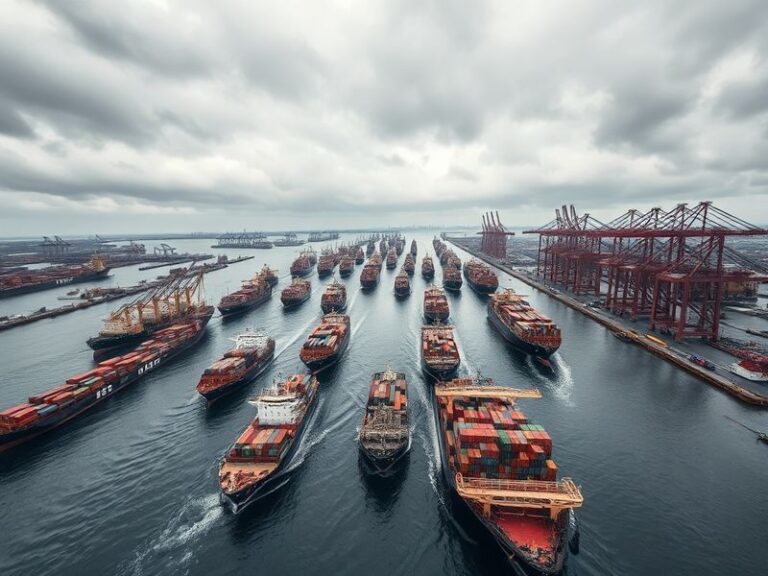
Economically, submarines enable the secure transport of critical resources. Subsea pipelines and communication cables—vital for internet connectivity—are vulnerable to sabotage, making submarine patrols a necessity. Meanwhile, scientific submarines like the Alvin have unlocked discoveries from hydrothermal vents to the Titanic’s wreckage, reshaping our understanding of Earth’s last unexplored frontier.
Environmental concerns also loom large. Submarine noise pollution disrupts marine life, while nuclear submarines face scrutiny over waste disposal. Yet their role in monitoring climate change—via deep-sea sensors—highlights a paradox: these machines of war may hold the key to preserving the very oceans they traverse.
The Future: What’s Next for Submarine Technology?
The next generation of submarines will push boundaries in both stealth and capability. Unmanned underwater vehicles (UUVs) are already patrolling autonomously, gathering intelligence without risking lives. Quantum sensors promise to detect enemy submarines at unprecedented ranges, while AI-driven navigation systems could revolutionize undersea autonomy.
Materials science is another frontier. Graphene coatings may reduce drag and improve stealth, while 3D-printed hulls could cut production costs. Some experts even envision civilian submarines as luxury yachts or research platforms, democratizing access to the deep sea.
Yet challenges remain. Cybersecurity threats loom over networked submarines, and the ethical implications of autonomous killing machines spark global debate. As climate change alters ocean currents and trade routes, submarines will play an even larger role—whether as guardians, explorers, or weapons of last resort.
A Final Thought
Submarines embody humanity’s dual relationship with the ocean: a source of wonder and a domain of control. They are marvels of engineering, silent witnesses to history, and tools of both cooperation and conflict. As technology advances, these underwater sentinels will continue to shape our world—often unseen, but never unheard.
For those fascinated by the deep, the future of submarine innovation offers as much intrigue as the ocean itself.
Further Reading
Explore more about military technology and environmental science on Dave’s Locker Technology and Science categories.