Flight disruptions have become an unfortunate reality for air travelers worldwide. Whether due to weather, technical issues, or operational challenges, cancellations and delays can turn planned trips into logistical nightmares. Understanding the causes, passenger rights, and industry responses is essential for anyone who flies regularly.
The Leading Causes Behind Flight Disruptions
While no traveler enjoys waiting at an airport, some disruptions are beyond anyone’s control. Weather tops the list, with thunderstorms, blizzards, and high winds grounding flights for hours or even days. Airlines often prioritize safety over schedules, which can lead to significant delays.
Mechanical issues also play a major role. Aircraft require rigorous maintenance, and even minor problems can delay departures while technicians conduct inspections. In rare cases, these issues escalate into cancellations if repairs aren’t completed in time.
The human factor cannot be ignored either. Crew shortages—whether due to illness, scheduling conflicts, or labor disputes—can force airlines to cancel flights outright. Air traffic control limitations and airport congestion further compound the problem, especially during peak travel seasons.
Key Factors Contributing to Flight Disruptions
- Adverse weather conditions (storms, fog, high winds)
- Mechanical or technical failures on aircraft
- Crew unavailability (pilots, flight attendants, ground staff)
- Air traffic control restrictions or airport delays
- Operational decisions by airlines (oversold flights, schedule reshuffling)
Know Your Rights: What Airlines Must Provide
Passengers stranded due to cancellations or long delays often feel powerless, but regulations exist to protect them. In the European Union, EU Regulation 261 mandates compensation for eligible flights delayed by three hours or more. This includes meals, refreshments, and even hotel stays if an overnight delay occurs.
In the United States, the Department of Transportation requires airlines to provide meal vouchers and rebooking options, though compensation is not guaranteed unless the disruption was within the airline’s control. Policies vary by country, so travelers should check the rules of their departure and arrival nations before filing claims.
Airlines typically offer rebooking on the next available flight at no extra cost. For those unwilling to wait, refunds may be an option, depending on the airline’s policies and the nature of the disruption. Keeping receipts for expenses incurred due to delays can strengthen compensation claims.
The Ripple Effect: How Delays Disrupt Travel Ecosystems
Flight disruptions don’t just affect individual passengers—they send shockwaves through the entire travel industry. When one flight is delayed, it can cascade into a domino effect, delaying connecting flights, disrupting crew schedules, and leaving aircraft in the wrong locations. This inefficiency costs airlines millions annually in compensation payouts and operational adjustments.
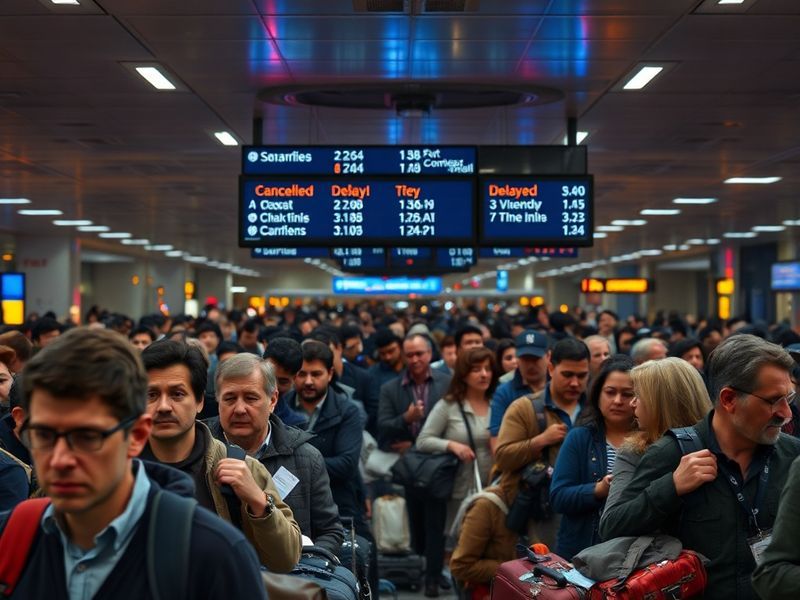
Airports also bear the brunt of these disruptions. Overcrowded terminals, long security lines, and overwhelmed customer service desks become common sights during peak disruption periods. Ground staff scramble to rebook passengers, while airlines reroute luggage and reallocate aircraft—a logistical puzzle that requires precision under pressure.
The financial impact extends to travelers’ wallets. Missed connections can lead to additional hotel stays, meal costs, and transportation expenses. Business travelers face lost productivity, while families on vacation may see their entire itinerary derailed. The stress of navigating these challenges often lingers long after the flight finally departs.
Navigating Disruptions: Proactive Strategies for Travelers
While airlines and airports play the biggest roles in minimizing disruptions, travelers can take steps to mitigate the fallout. Booking early morning flights reduces the risk of delays caused by cumulative delays throughout the day. Choosing airlines with strong operational track records can also improve reliability.
Travel insurance is another valuable safeguard. Policies often cover expenses incurred due to cancellations or delays, including non-refundable bookings. Passengers should review their coverage details to ensure they’re protected against weather-related disruptions.
Staying informed is critical. Airlines now provide real-time updates via apps and text alerts, allowing travelers to adjust plans before arriving at the airport. Checking flight statuses the night before departure and signing up for notifications can save hours of uncertainty.
For those already affected by a disruption, persistence is key. Filing compensation claims promptly, documenting expenses, and escalating issues to customer service representatives can improve outcomes. Social media has become a powerful tool for shaming unresponsive airlines into action.
Steps to Minimize Travel Disruptions
- Choose airlines with high on-time performance records.
- Purchase travel insurance that covers cancellations and delays.
- Monitor flight statuses via airline apps or websites.
- Keep receipts for meals, hotels, and transportation during delays.
- File compensation claims promptly if eligible.
A Look Ahead: Can the Industry Improve?
The aviation industry has made strides in reducing disruptions, but challenges remain. Airlines are investing in predictive analytics to forecast weather and crew availability more accurately. Improved maintenance protocols and backup aircraft strategies are also reducing mechanical delays.
However, systemic issues persist. Labor shortages, aging infrastructure, and climate change—with its increasing frequency of extreme weather—threaten to keep disruption rates high. Policymakers and industry leaders must collaborate on long-term solutions, such as modernizing air traffic control systems and expanding airport capacities.
For travelers, the best defense remains preparation. While no one can control the weather or an airline’s operational hiccups, understanding rights, staying informed, and having contingency plans can turn a potential disaster into a manageable inconvenience. The skies may never be entirely smooth, but with the right approach, passengers can navigate the turbulence with confidence.
The next time your flight is delayed or canceled, remember: knowledge is your greatest ally. Armed with the right information and a proactive mindset, you can turn a frustrating situation into a minor blip on your travel journey.
For more insights on travel rights and industry trends, visit Dave’s Locker Travel Section.