The Red Sox Phenomenon: More Than Just a Baseball Team
The Boston Red Sox are more than a Major League Baseball franchise—they are a cultural institution woven into the fabric of American sports history. Founded in 1901, the team has evolved from a regional powerhouse into a global brand, carrying with it a legacy of triumph, tragedy, and tradition that resonates far beyond Fenway Park. While baseball remains a distinctly American sport, the Red Sox have cultivated a following that spans continents, reflecting how sports can transcend borders and unite diverse communities.
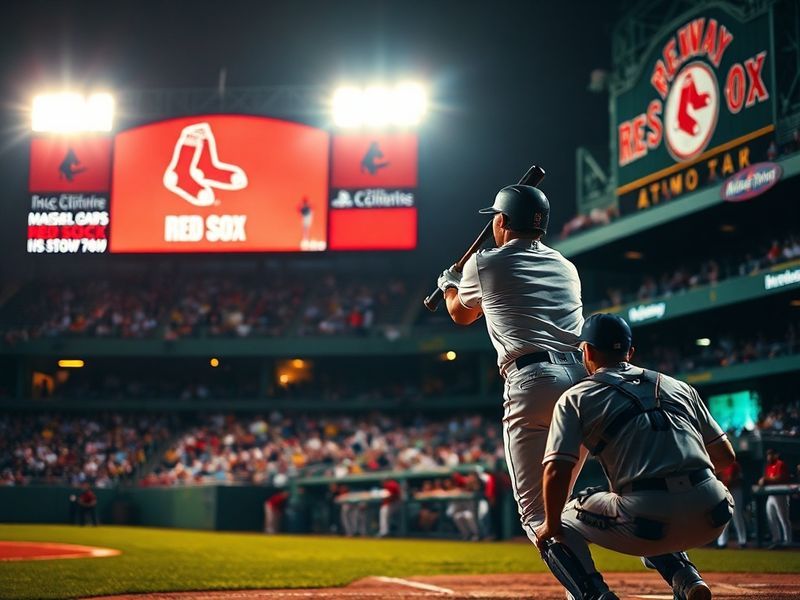
At the heart of the Red Sox’s global appeal is Fenway Park, baseball’s oldest active stadium. Opened in 1912, Fenway is a living museum of sports history, its Green Monster wall and manual scoreboard serving as iconic symbols. The park’s intimate atmosphere and rich traditions—like the singing of “Sweet Caroline” during the eighth inning—create an experience unlike any other in professional sports. These elements have drawn fans from across the world, turning trips to Boston into pilgrimages for baseball enthusiasts.
The Green Monster’s Global Reach
Fenway Park isn’t just a venue; it’s a brand. The Red Sox have leveraged the stadium’s historic charm to build a global fanbase. International tours, digital content in multiple languages, and partnerships with global brands have expanded the team’s influence. For instance, the Red Sox have played exhibition games in London and Tokyo, exposing new audiences to the sport and the team’s unique culture. These efforts underscore how American baseball teams are increasingly thinking globally, adapting to a world where fandom knows no boundaries.
In Japan, baseball is a national obsession, and the Red Sox’s games—even those played across the Pacific—are followed closely. Similarly, in Latin America, where baseball has deep roots, Red Sox players of Caribbean and Central American descent have strengthened the team’s connection to international communities. Players like David Ortiz and Pedro Martínez became household names far beyond New England, embodying the team’s role as a bridge between cultures.
Cultural Identity and the Curse of the Bambino
No discussion of the Red Sox is complete without acknowledging the Curse of the Bambino—a myth that shaped the team’s identity for nearly a century. The legend began in 1920 when Babe Ruth, the star pitcher and hitter, was sold to the New York Yankees. For the next 86 years, the Red Sox suffered a drought without a World Series title, while the Yankees became a dynasty. Fans blamed the curse, turning it into a narrative that defined the team’s struggles and eventual redemption.
The curse’s cultural significance extends beyond baseball. It became a metaphor for failure and resilience, resonating with fans who saw their own struggles reflected in the team’s misfortunes. When the Red Sox finally broke the curse in 2004, winning the World Series in a dramatic comeback against the Yankees in the ALCS, it wasn’t just a sports victory—it was a collective catharsis. The triumph was celebrated nationwide, symbolizing perseverance and the power of belief.
From Underdogs to Champions: The 2004 Miracle
The 2004 Red Sox season remains one of the most storied in baseball history. Trailing the Yankees 3-0 in the American League Championship Series, the Red Sox became the first—and still only—team to come back and win the series. The victory set the stage for their World Series win over the St. Louis Cardinals, ending an 86-year championship drought. The moment was historic, not just for Boston, but for the entire sports world. It demonstrated how sports can capture the imagination of millions, creating shared memories that endure for generations.
That team, led by a mix of veterans like Curt Schilling and rising stars like David Ortiz, became legends. Ortiz, in particular, embodied the spirit of the 2004 squad. His clutch hitting and charismatic personality made him a fan favorite, and his legacy extended far beyond the field. He became a global ambassador for the Red Sox, helping to grow the team’s international appeal.
The Red Sox in the Modern Era: Challenges and Opportunities
In the years since 2004, the Red Sox have continued to be a competitive force, winning additional World Series titles in 2007, 2013, and 2018. However, the modern era presents new challenges. The rise of analytics in baseball has transformed how teams are built, and the Red Sox have had to adapt to a game that values data as much as instinct. This shift has led to both successes and struggles, as the team balances tradition with innovation.
One of the Red Sox’s greatest strengths in the modern era has been their ability to develop young talent. The team’s farm system has produced stars like Mookie Betts, Xander Bogaerts, and Rafael Devers, who have carried the torch from the 2004 generation. Betts, in particular, became a household name not just for his performance on the field, but for his cultural impact off it. His 2018 MVP season and subsequent trade to the Los Angeles Dodgers marked a turning point in the team’s rebuilding process.
The Business of Baseball: The Red Sox as a Global Brand
The Red Sox are not just a sports team; they are a business. Owned by Fenway Sports Group, the franchise has expanded its reach into soccer with Liverpool FC in the English Premier League and into esports with partnerships like that of Boston’s own OverWatch League team. This diversification reflects a broader trend in sports, where teams are leveraging their brands to enter new markets and engage with younger, global audiences.
The Red Sox’s global marketing efforts include social media campaigns, international broadcasts, and merchandise sales that cater to fans worldwide. Their official website and app provide content in multiple languages, ensuring that fans from Tokyo to Toronto can stay connected. This approach has helped the Red Sox build a fanbase that spans generations and geographies, proving that the appeal of baseball—and the Red Sox—is universal.
A Legacy That Extends Beyond the Diamond
The Red Sox’s influence extends beyond the field and into the communities they serve. Through charitable initiatives like the Red Sox Foundation, the team has supported causes ranging from youth baseball programs to food security and military veterans. These efforts reflect a commitment to giving back, reinforcing the team’s role as a positive force in society.
The Red Sox also play a significant role in Boston’s cultural identity. The team’s success or failure can sway the city’s mood, and Fenway Park serves as a gathering place for fans of all backgrounds. In a city known for its diversity and history, the Red Sox are a unifying symbol, bringing people together regardless of their differences.
As baseball continues to evolve, the Red Sox remain a constant. They are a team with a past, present, and future that extends far beyond Boston. Whether through historic triumphs, cultural moments, or global initiatives, the Red Sox have cemented their place not just in baseball history, but in the broader story of sports and society.
For fans around the world, the Red Sox represent more than a team—they represent a connection to a shared love of the game, a tradition of resilience, and a belief in the power of sport to bring people together. As long as there are fans who sing “Sweet Caroline” and dream of the Green Monster, the Red Sox will continue to play a vital role in the global sports landscape.