U.S. Flight Delays and Cancellations: Causes and Solutions
“`html
U.S. Flight Delays and Cancellations: What Travelers Need to Know
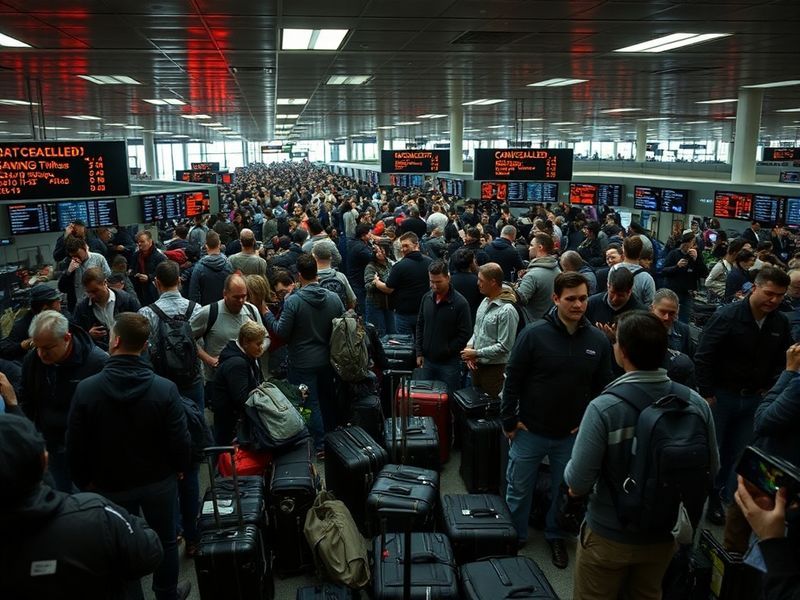
Flight delays and cancellations have become a persistent frustration for air travelers in the United States. In 2023, the U.S. saw over 20% of flights delayed or canceled, according to Bureau of Transportation Statistics data. While some disruptions are unavoidable, understanding the root causes and knowing your rights can help mitigate the stress of disrupted travel plans.
Why Are Flights Delayed or Canceled?
Weather remains the most common cause of flight disruptions in the U.S., accounting for nearly 40% of delays. Severe thunderstorms, snowstorms, and hurricanes can ground flights for hours or even days. Air traffic control capacity issues are the second leading cause, particularly at major hubs like Chicago O’Hare, Dallas/Fort Worth, and Atlanta. These airports often face bottlenecks during peak travel periods.
Mechanical issues with aircraft also contribute significantly to delays. Airlines are required to ground planes for safety inspections, which can cascade into larger disruptions. Crew scheduling problems—whether due to illness, fatigue, or federal hour restrictions—create additional complications. In 2023, crew-related issues accounted for about 15% of all delays.
- Weather conditions (thunderstorms, snow, hurricanes)
- Air traffic control limitations (especially at major hubs)
- Mechanical problems requiring aircraft inspections
- Crew shortages or scheduling conflicts
The Financial Impact on Travelers
Beyond the inconvenience, flight disruptions carry significant financial consequences. According to a 2023 report, delayed or canceled flights cost U.S. travelers an estimated $12 billion annually in lost productivity, rebooking fees, and additional accommodations. Business travelers face the steepest impact, with delays potentially derailing important meetings and contracts.
Passengers booked on budget airlines often feel the pinch most acutely. Many low-cost carriers don’t offer compensation for delays or cancellations, leaving travelers responsible for their own rebooking costs. Even on major airlines, compensation is only mandatory for cancellations within the airline’s control—such as mechanical issues—leaving weather-related disruptions without recourse.
The Department of Transportation has proposed new rules to strengthen passenger protections. These include requiring airlines to provide automatic cash refunds for significant delays or cancellations, regardless of the cause. However, these regulations have not yet been finalized as of early 2024.
Airline Policies and Passenger Rights
Understanding airline policies can make a substantial difference when facing delays. Most major carriers offer rebooking options for free, though availability may be limited during peak travel periods. Some airlines provide meal vouchers or hotel accommodations for overnight delays, but the specifics vary widely by carrier and fare class.
Passengers flying on basic economy tickets often have fewer protections than those with premium fares. These travelers may face higher rebooking fees or be forced to purchase entirely new tickets if alternative flights are unavailable. The Travel Tips section on Dave’s Locker offers guidance on maximizing protections for different fare types.
- Rebooking options: Most airlines allow free rebooking on the next available flight
- Compensation policies: Varies by airline and reason for disruption
- Meal/hotel assistance: Typically offered for overnight delays, often at the airline’s discretion
- Refund eligibility: Full refunds usually available only for cancellations initiated by the airline
Strategies for Minimizing Disruptions
While some delays are unavoidable, travelers can take steps to reduce their impact. Booking early morning flights tends to yield better on-time performance, as these flights are less likely to be affected by cascading delays from previous days. Choosing nonstop flights also eliminates the risk of missed connections.
Passengers should monitor flight status proactively using airline apps and the FAA’s Flight Status tools. Signing up for airline notifications provides real-time updates and may offer options not available at the airport. Travel insurance can cover additional expenses in cases of extended delays or cancellations.
For those with flexible schedules, alternative airports often provide better on-time performance. For example, flying into New Jersey’s Newark instead of New York’s LaGuardia can mean fewer delays, though travelers should factor in additional ground transportation time. The key is balancing these trade-offs with individual travel priorities.
When disruptions occur, persistence pays off. Passengers who call airlines directly—rather than relying on airport staff—often secure better rebooking options. Documenting all expenses related to delays (meals, hotels, transportation) creates a stronger case for reimbursement, especially if the disruption was within the airline’s control.
Looking Ahead: Will the Problem Improve?
Industry experts predict mixed results for flight reliability in coming years. Airlines are investing heavily in technology to improve scheduling and maintenance efficiency. New AI-driven systems promise better prediction of weather-related delays, potentially allowing for preemptive adjustments to flight schedules.
However, staffing shortages continue to plague the industry. Pilot and air traffic controller shortages may worsen before they improve, particularly as new federal training requirements take effect. The FAA’s 2023 workforce plan aims to address these gaps, but implementation will take years.
For travelers, the best defense remains preparation. Understanding the most common causes of delays, knowing airline policies inside and out, and having backup plans ready can transform a potential disaster into a manageable inconvenience. While perfect on-time performance remains elusive, informed travelers can significantly reduce their exposure to the worst disruptions.
The airline industry’s recovery from pandemic-era disruptions continues to create challenges. As airlines juggle pent-up demand with operational constraints, passengers should expect variability in performance across different carriers and routes. Those who approach travel with flexibility and knowledge will fare far better than those who assume smooth sailing.