From Humble Beginnings to Educational Excellence
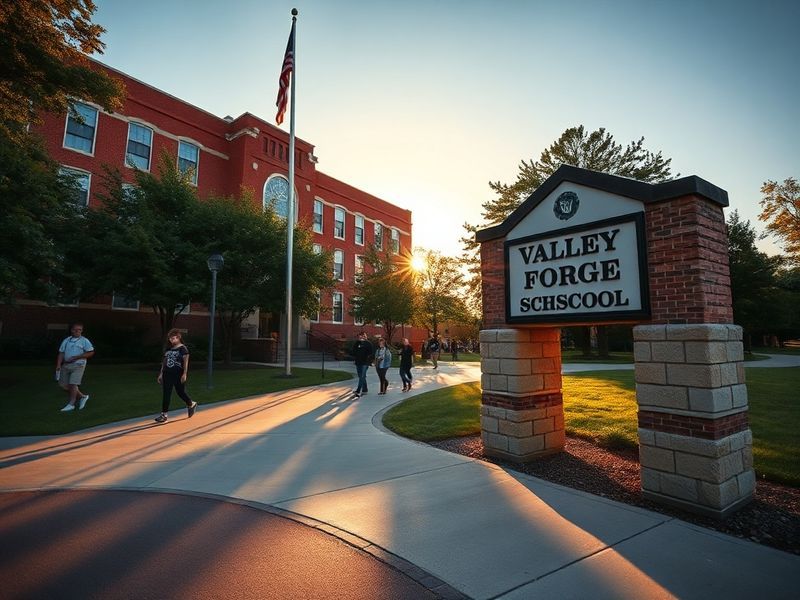
Valley Forge High School, located in Parma, Ohio, stands as a testament to resilience and academic rigor. Founded in 1961, the school emerged during a period of rapid suburban expansion in the United States. Its creation reflected the post-war optimism that swept through American communities, where new institutions were built to serve growing populations of students. Like many high schools established in that era, Valley Forge was designed not just as a place of learning but as a cornerstone of community identity.
The school’s name pays homage to the historic Valley Forge in Pennsylvania, where General George Washington’s Continental Army endured a brutal winter in 1777-78. This choice of nomenclature was intentional, embedding themes of perseverance and collective struggle into the school’s ethos. Over six decades, Valley Forge has evolved from a modest suburban institution into a regional leader in education, blending tradition with innovation.
The Architectural Evolution of a Modern Campus
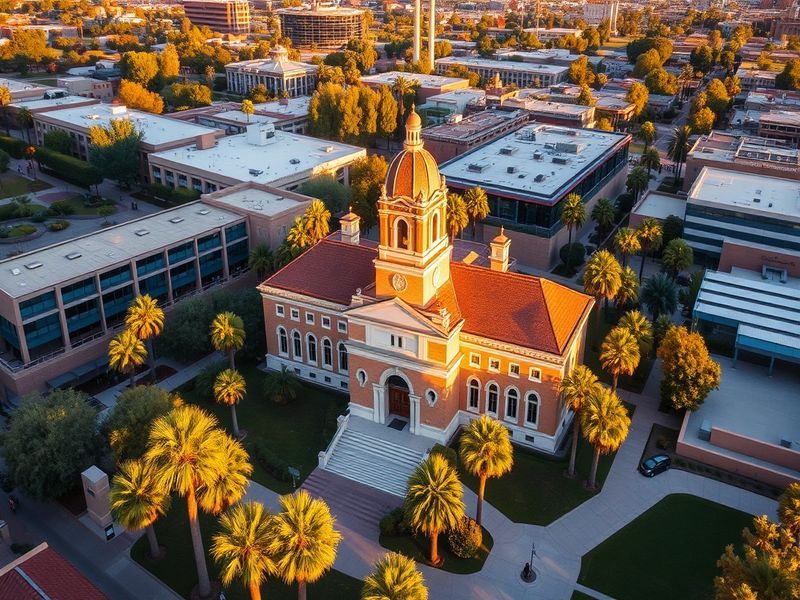
Valley Forge High School’s physical transformation mirrors its academic growth. The original 1961 structure was a straightforward, functional design typical of mid-century American schools. By the 1990s, however, the need for modernization became apparent. A significant renovation in 1998 introduced state-of-the-art science labs, a renovated auditorium, and expanded athletic facilities. These upgrades reflected broader trends in educational infrastructure, where schools increasingly prioritized adaptability to technological change.
The campus now spans 75 acres, a sprawling space that accommodates not only academics but also extracurricular activities. The football stadium, named after alumni and community donors, hosts Friday night lights that draw crowds reminiscent of small-town American rituals. Globally, this emphasis on shared spaces for learning and recreation aligns with educational philosophies in countries like Finland, where schools are designed to foster holistic student development.
A Global Model for Extracurricular Engagement
Valley Forge High School’s extracurricular programs are a microcosm of how American schools balance tradition with global trends. The school’s athletic programs have produced state champions in wrestling, baseball, and track, while its music department has earned national recognition through competitions like the Ohio Music Education Association festivals. These achievements are not isolated successes but part of a larger narrative of American high school athletics and arts education, which often serve as informal pipelines to college opportunities.
In Japan, for example, extracurricular activities known as “bukatsu” play a similarly pivotal role in student life, with clubs like baseball and kendo shaping identities and fostering discipline. Valley Forge’s approach—where sports and arts are integrated into the school’s fabric—mirrors this global emphasis on well-rounded development. The school’s debate team, which competes nationally, also reflects a trend seen in countries like the UK, where oratory skills are cultivated from an early age to prepare students for civic engagement.
The Role of Community and Alumni Networks
What sets Valley Forge apart is its deep-rooted connection to the Parma community. The school’s annual homecoming parade, attended by thousands, is a vibrant display of local pride. Alumni often return to mentor current students, a practice that strengthens intergenerational bonds. This phenomenon is not unique to Valley Forge; in many parts of the world, schools act as hubs for community cohesion. In Germany, for instance, the “Schulverein” (school association) model involves parents and alumni in school governance, ensuring continuity and shared ownership.
The school’s alumni network is particularly influential. Graduates have gone on to careers in politics, entertainment, and sports, including NFL players and Broadway performers. This pipeline of success underscores the school’s role as a launchpad for global talent. In countries like South Korea, high schools with strong alumni networks often produce leaders in technology and the arts, demonstrating how institutional legacies can transcend generations.
Challenges and Adaptations in a Changing World
Despite its achievements, Valley Forge has faced challenges common to many public schools in the 21st century. Budget constraints, shifting student demographics, and the rise of alternative education models have forced the school to adapt. In 2020, the COVID-19 pandemic accelerated the adoption of digital learning tools, a shift that mirrored global trends. Schools worldwide grappled with remote instruction, but Valley Forge’s pre-existing investments in technology—such as its 1:1 device initiative—helped mitigate disruptions.
The school’s response to these challenges highlights a broader trend in education: the need for flexibility. In Finland, for example, schools rapidly pivoted to hybrid learning models during the pandemic, emphasizing resilience as a core competency. Valley Forge’s ability to balance tradition with innovation reflects a global struggle to maintain educational quality amid external pressures.
Looking Ahead: The Future of Valley Forge
As Valley Forge High School approaches its 70th anniversary, its future is shaped by both legacy and innovation. The school is exploring partnerships with local businesses to provide students with real-world learning experiences, a model increasingly adopted in countries like Singapore, where vocational training is integrated into academic curricula. Additionally, Valley Forge is expanding its STEM programs to include robotics and cybersecurity, aligning with global demand for technical literacy.
The school’s commitment to diversity and inclusion is another area of growth. Initiatives like cultural exchange programs and affinity groups reflect a global movement toward equitable education. In Canada, schools such as Toronto’s Northern Secondary School have pioneered similar programs, fostering environments where students from diverse backgrounds thrive.
Valley Forge’s story is one of evolution—a place where history and progress intersect. From its origins in the optimism of the 1960s to its current role as a forward-thinking educational institution, the school embodies the enduring mission of public education: to prepare students for the challenges and opportunities of an ever-changing world.