The Royal Navy: History, Power, and Global Influence
“`html
The Royal Navy: A Legacy of Maritime Power and Global Influence
The Royal Navy stands as one of the most storied naval forces in history, its origins tracing back to the 16th century when King Henry VIII established the first permanent naval force. Over centuries, it evolved from wooden-hulled ships to modern nuclear-powered vessels, shaping not only Britain’s destiny but also the global balance of power. Today, the Royal Navy remains a symbol of maritime excellence, projecting British influence across oceans while adapting to the demands of 21st-century security challenges.
A Historical Foundation: From Tudor Ships to Global Dominance
The Royal Navy’s early years were marked by ambition and innovation. During the reign of Elizabeth I, the navy played a pivotal role in securing England’s maritime trade routes and defeating the Spanish Armada in 1588. This victory cemented Britain’s reputation as a naval power and set the stage for centuries of expansion. The 18th and 19th centuries saw the Royal Navy dominate global waters, enforcing British trade policies and maintaining control through a vast network of bases and ships.
The industrial revolution transformed naval warfare, introducing ironclads and steam-powered vessels. The Battle of Trafalgar in 1805, where Admiral Horatio Nelson defeated the combined French and Spanish fleets, remains one of the most celebrated naval victories in history. This era solidified the Royal Navy’s reputation as an unmatched force, ensuring Britain’s position as the world’s preeminent maritime empire.
Modernization and Strategic Adaptation
The 20th century brought unprecedented challenges, from two world wars to the rise of nuclear technology. The Royal Navy’s response was rapid modernization. During World War II, it played a crucial role in the Battle of the Atlantic, protecting supply convoys from German U-boats. Post-war, the navy transitioned to a smaller but more technologically advanced force, focusing on nuclear deterrence and expeditionary operations.
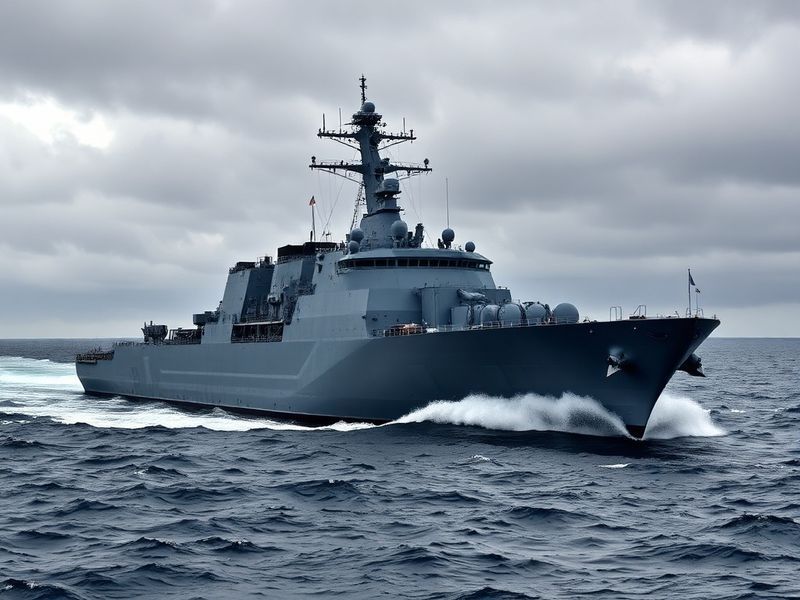
Today, the Royal Navy operates a fleet that includes the Queen Elizabeth-class aircraft carriers, the most advanced surface combatants, and a fleet of nuclear submarines. These assets enable the navy to project power globally, from counter-piracy operations in the Indian Ocean to humanitarian missions in the Caribbean. The integration of cutting-edge technology, such as the Type 45 destroyers equipped with advanced radar systems, ensures the Royal Navy remains at the forefront of naval innovation.
Key Components of the Modern Royal Navy
- Queen Elizabeth-class Aircraft Carriers: These 65,000-ton vessels are the largest warships ever built for the Royal Navy. Designed to operate the F-35B Lightning II stealth fighter, they provide unmatched power projection capabilities.
- Astute-class Submarines: Nuclear-powered attack submarines that combine stealth, endurance, and precision strike capabilities. These submarines are critical to Britain’s nuclear deterrent and intelligence-gathering missions.
- Type 45 Destroyers: Equipped with the PAAMS missile system, these destroyers specialize in air defense and anti-air warfare, providing a protective shield for carrier groups.
- Royal Fleet Auxiliary: A civilian-manned fleet that supports the Royal Navy with logistics, replenishment, and amphibious capabilities. Their role is often understated but vital to sustained operations.
Cultural and Global Impact
The Royal Navy’s influence extends beyond military strategy. It has shaped global trade routes, facilitated colonial expansion, and fostered cultural exchanges. The navy’s presence has influenced everything from maritime law to the spread of the English language across continents. Ports like Gibraltar, Malta, and Singapore became hubs of cultural and economic exchange, leaving a lasting legacy in the regions they served.
In literature and popular culture, the Royal Navy has been immortalized in works like C.S. Forester’s Horatio Hornblower series and Patrick O’Brian’s Master and Commander novels. These stories highlight the bravery and discipline of naval officers, reinforcing the navy’s image as a steadfast institution. Even in modern cinema, films like Master and Commander: The Far Side of the World and the Pirates of the Caribbean series draw inspiration from the Royal Navy’s storied past.
The Royal Navy also plays a role in international diplomacy. Through joint exercises like the NATO maritime operations, it strengthens alliances and promotes stability. Its humanitarian missions, such as disaster relief in the aftermath of tsunamis or hurricanes, demonstrate its commitment to global welfare. These efforts underscore the navy’s dual role as both a defender of national interests and a force for good.
The Future: Challenges and Opportunities
As the Royal Navy looks to the future, it faces a complex landscape of evolving threats and technological advancements. Rising powers like China and Russia are expanding their naval capabilities, challenging Britain’s traditional dominance. Meanwhile, emerging technologies such as hypersonic missiles, cyber warfare, and autonomous drones are reshaping naval warfare.
The Royal Navy’s response includes the development of the Type 26 and Type 31 frigates, designed to replace aging vessels and enhance anti-submarine and anti-ship capabilities. Additionally, the navy is investing in unmanned systems and AI-driven technologies to maintain its edge. The integration of these innovations will be critical in addressing the threats of the 21st century.
Environmental sustainability is another priority. The Royal Navy is exploring greener technologies, such as biofuels and hybrid propulsion systems, to reduce its carbon footprint. These efforts align with Britain’s broader commitment to combating climate change while ensuring operational readiness.
Strategic Priorities for the 21st Century
- Enhancing Power Projection: Expanding the fleet’s reach through advanced aircraft carriers and amphibious capabilities to respond to global crises.
- Strengthening Alliances: Deepening partnerships with NATO allies and regional partners to counter shared threats.
- Investing in Technology: Leveraging AI, cyber capabilities, and unmanned systems to maintain a technological advantage.
- Promoting Sustainability: Reducing environmental impact through innovative energy solutions and sustainable practices.
- Developing Talent: Recruiting and training the next generation of sailors and officers to meet the demands of modern naval operations.
The Royal Navy’s journey from Tudor-era ships to modern nuclear-powered vessels is a testament to its resilience and adaptability. As it navigates the challenges of a rapidly changing world, the navy remains a cornerstone of British defense and global stability. Its legacy is not just one of naval supremacy but of innovation, diplomacy, and cultural exchange. For those who serve and those who observe from afar, the Royal Navy continues to inspire awe and respect—a true guardian of the seas.