Residents of Fresno, California, faced an unusual weather event on the afternoon of June 12, 2024, when the National Weather Service issued a tornado warning for parts of the city and surrounding areas. While tornadoes are rare in the Central Valley, this incident served as a reminder of the unpredictable nature of weather patterns in California. The warning, which lasted for approximately 30 minutes, prompted emergency alerts on smartphones and local news broadcasts, urging residents to take immediate precautions.
Understanding the Warning: What Happened in Fresno
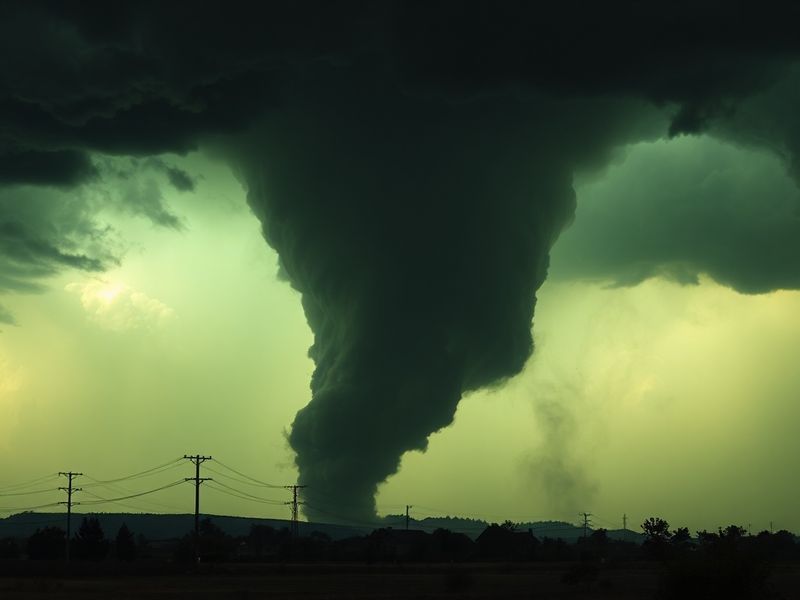
The tornado warning was triggered by radar indications of a possible funnel cloud near the intersection of Shaw Avenue and Blackstone Avenue. According to the National Weather Service (NWS) office in Hanford, Doppler radar detected rotation in a thunderstorm cell moving through the region. Eyewitness reports described seeing a funnel-shaped cloud descending briefly before dissipating. Fortunately, no tornado touched down, and no significant damage was reported. However, the event raised questions about preparedness in an area unaccustomed to such threats.
Meteorologists attributed the unusual weather to a combination of high instability in the atmosphere and strong wind shear, conditions typically associated with Tornado Alley in the Midwest. While rare, California has experienced tornadoes before, including an EF-0 tornado that struck south Fresno in 2018. The 2024 event, though brief and weak, underscored the need for residents to stay informed about severe weather protocols.
How Fresno Responded: Emergency Protocols in Action
The city’s emergency response teams were quick to activate protocols following the NWS warning. The Fresno Police Department issued a citywide alert advising residents to seek shelter indoors, away from windows, and to avoid driving if possible. Local schools, including those in the Fresno Unified School District, followed safety guidelines by keeping students indoors and monitoring the situation. The Fresno Fire Department also conducted spot checks in high-risk areas to ensure no damage had occurred.
Social media played a critical role in disseminating information. Residents took to platforms like Twitter and Nextdoor to share real-time updates, photos, and concerns. The Fresno Bee’s live blog provided continuous coverage, while local radio stations interrupted programming to broadcast emergency alerts. This incident highlighted the growing importance of digital communication in crisis management, even in regions where severe weather is uncommon.
Why Fresno Isn’t Immune to Tornadoes: A Broader Perspective
Tornadoes in California are statistically rare but not impossible. According to the National Oceanic and Atmospheric Administration (NOAA), California averages fewer than 10 tornadoes per year, with most being weak (EF-0 or EF-1) and causing minimal damage. The state’s Mediterranean climate typically produces dry conditions that are unfavorable for tornado formation. However, climate change may be altering traditional weather patterns, increasing the likelihood of unexpected severe weather events.
Several factors contributed to the Fresno tornado warning:
- Atmospheric instability: Unseasonably warm temperatures combined with moisture from the south created unstable air masses.
- Wind shear: Changes in wind speed and direction with altitude helped organize thunderstorms into rotating supercells.
- Topography: The Central Valley’s flat terrain allows storms to maintain intensity over long distances.
Experts warn that while the risk remains low, residents should not become complacent. The 2024 Fresno incident joins a growing list of unusual weather events in California, including a rare waterspout off the coast of San Diego in 2023 and a damaging EF-2 tornado in Montebello in 2022. These events suggest that the state may need to reassess its severe weather preparedness strategies.
Preparing for the Unpredictable: Lessons from Fresno
The Fresno tornado warning serves as a case study in how communities can better prepare for rare but potentially dangerous weather events. One key takeaway is the importance of public education. Many residents admitted they had never received tornado safety training, as such drills are typically reserved for Tornado Alley states. The city could benefit from hosting informational sessions or distributing pamphlets on tornado preparedness, including how to recognize warning signs and where to seek shelter.
Another lesson is the need for improved infrastructure. While Fresno’s building codes are designed to withstand earthquakes and wildfires, they do not specifically account for tornado-resistant structures. Retrofitting older buildings with reinforced roofs and impact-resistant windows could mitigate damage in the event of a stronger tornado. Additionally, local authorities could invest in more advanced weather monitoring technology, such as dual-polarization radar, to provide earlier and more accurate warnings.
For now, Fresno residents can take solace in the fact that the 2024 tornado warning did not result in any injuries or significant damage. However, the event should serve as a wake-up call. As climate patterns shift, communities across California may need to adapt to new weather realities. By learning from this incident, Fresno can set an example for other regions facing similar challenges.
Staying Informed: Resources for Fresno Residents
Residents looking to stay prepared for future severe weather events can utilize the following resources:
- Dave’s Locker News – For real-time updates on local weather alerts and emergency protocols.
- Dave’s Locker Weather – A dedicated section for weather-related news and safety tips.
- National Weather Service Hanford: Follow their Twitter account (@NWSHanford) for official warnings and forecasts.
- Ready.gov: The federal government’s emergency preparedness website offers comprehensive guides on tornado safety and disaster planning.
- Red Cross of Central California: Local chapters provide training on disaster response and can assist with emergency kits.
While the chance of a tornado striking Fresno remains low, the 2024 warning proved that such events are not outside the realm of possibility. By staying informed, preparing in advance, and supporting local emergency initiatives, residents can ensure they are ready for whatever Mother Nature brings next.