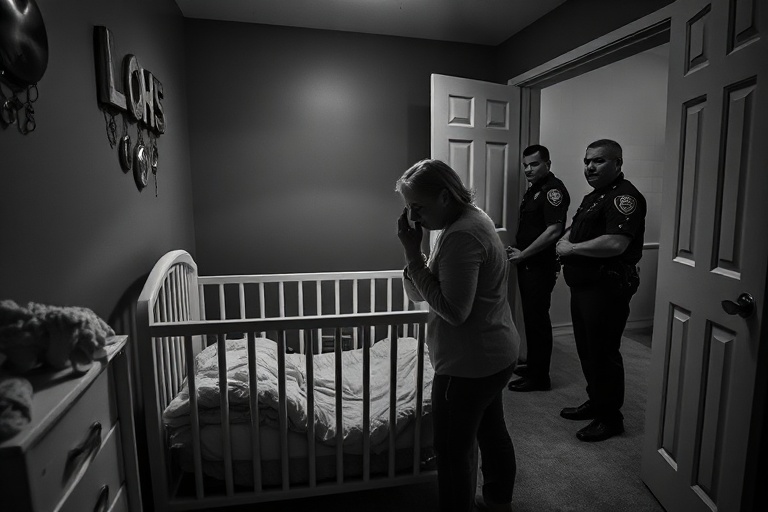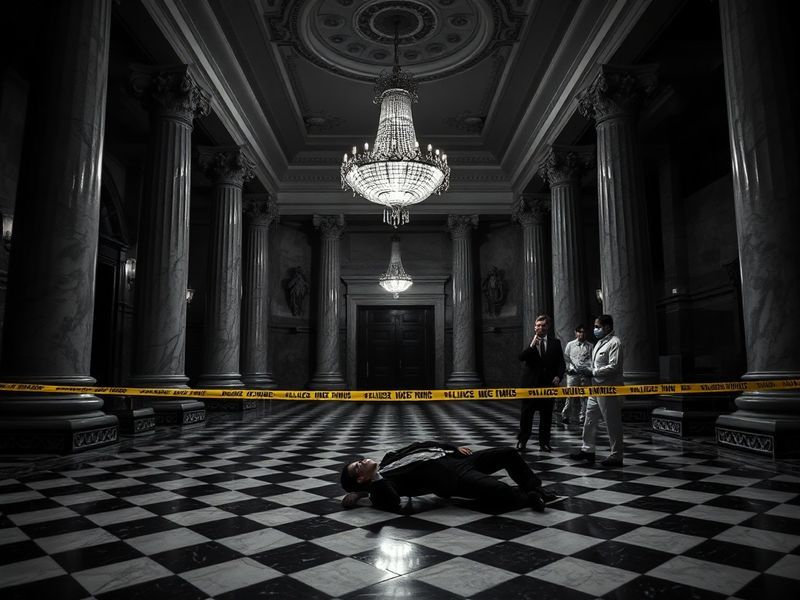
The Marble Hall neighborhood in West Philadelphia has long been a place of quiet streets and close-knit communities. Yet beneath its unassuming exterior lies one of the city’s most perplexing unsolved crimes: the Marble Hall murders. On the night of November 12, 1986, three members of the same family were brutally killed in their home, their deaths leaving more questions than answers. Decades later, the case remains open, a haunting reminder of how quickly peace can shatter.
The victims were 42-year-old James Mapp, his 38-year-old wife, Carolyn, and their 15-year-old daughter, Michelle. All three were found in different rooms of their modest row house, each killed by gunshot wounds. The crime scene revealed no signs of forced entry, suggesting the killer—or killers—may have been known to the family.
The Night of the Murders: A Timeline of Chaos
According to police reports, the first 911 call came in at approximately 10:47 PM. Neighbors reported hearing gunshots but assumed they were firecrackers until they saw emergency vehicles speeding toward the house. By the time officers arrived, the scene was already chaotic. James Mapp was found in the living room, Carolyn in the kitchen, and Michelle in her bedroom. All three had been shot multiple times with what investigators later determined was a .38-caliber handgun.
Forensic analysis revealed that the murders happened within minutes of each other, indicating a rapid and deliberate attack. There were no signs of a struggle, which led detectives to speculate that the victims may have been taken by surprise. The absence of forced entry suggested the killer had either a key or was someone the family trusted enough to open the door.
One of the most disturbing details was the condition of the house. While the crime scene was bloody, nothing appeared to be stolen. Jewelry, cash, and other valuables were left untouched, ruling out robbery as a motive. This left investigators with a grim conclusion: the killings were personal.
Key Evidence That Led Nowhere
Early leads in the case were scarce. A neighbor reported seeing a man walking away from the house around the time of the murders, but the description was vague—white male, medium build, wearing dark clothing. No fingerprints were found inside the house, and the .38-caliber weapon was never recovered.
In the years following the murders, police pursued several leads, including a suspect with a history of violence against the family. However, no arrests were ever made. The case went cold, leaving the Mapp family and the community in a state of unresolved sorrow.
The Human Cost: A Family Remembered
Behind the headlines and police reports were real people whose lives were cut short. James Mapp was a respected community figure, known for his involvement in local youth programs. Carolyn worked as a nurse, beloved by patients and colleagues alike. Michelle was a bright student with dreams of attending college. Their deaths left a void in Marble Hall that time has not healed.
Friends and neighbors described the family as warm and welcoming. “They were the kind of people who always had a smile and a kind word,” said one longtime resident. “It just didn’t make sense why something like this would happen to them.”
The case also highlighted the broader issue of violence in Philadelphia during the late 1980s. Homicide rates were soaring, and many cases went unsolved due to limited resources and strained police-community relations. The Marble Hall murders became a symbol of the city’s struggles with crime and impunity.
Could the Case Ever Be Solved?
In recent years, the Philadelphia Police Department has revisited cold cases, including the Marble Hall murders, thanks to advancements in DNA technology and forensic techniques. In 2018, detectives submitted new evidence to a private lab for advanced DNA testing, hoping to identify any genetic material that may have been overlooked in the original investigation.
However, as of now, no breakthroughs have been reported. The case remains open, and the killer—or killers—has never been brought to justice. The statute of limitations for murder in Pennsylvania has long since expired, meaning even if new evidence emerges, prosecutions are unlikely.
For the Mapp family, the lack of answers has been a lifelong burden. In interviews, relatives have expressed frustration with the slow pace of the investigation. “We just want to know why,” said a cousin of Carolyn Mapp. “We want to know who did this and why our loved ones were taken from us.”
Why This Case Still Matters
The Marble Hall murders are more than just a cold case; they are a reflection of Philadelphia’s unresolved struggles with violence and justice. The case also underscores the importance of preserving evidence and revisiting old cases with modern technology. While the odds of solving the murders may be slim, the pursuit of truth remains vital for the families affected.
For those interested in Philadelphia’s criminal justice history, the Marble Hall case offers a sobering look at how unsolved crimes can linger in a community’s collective memory. It’s a reminder that justice delayed is not always justice denied—but in this case, it remains painfully elusive.
Where to Learn More
If you’re interested in exploring similar unsolved cases or Philadelphia’s criminal justice system, consider visiting our News and Analysis sections. These pages feature in-depth coverage of historical crimes, investigative journalism, and updates on cold cases across the country.
The Marble Hall murders may never be fully resolved, but their story serves as a somber call to action for better resources and renewed efforts in solving the unsolved.