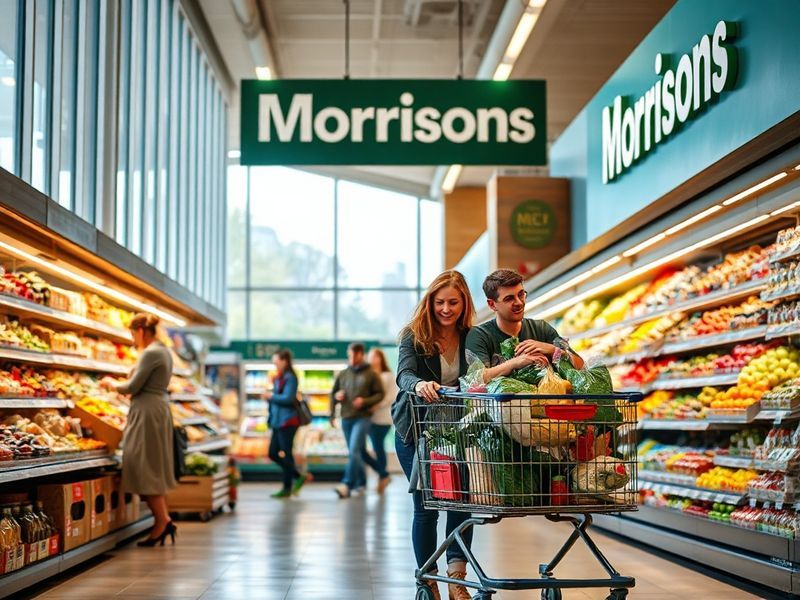
Morrisons: Britain’s Grocery Institution Reinvents Itself for a New Era
When the first Morrisons supermarket opened in Bradford in 1961, it was a modest operation selling butter, bacon, and tea from a converted egg-packing factory. Today, Wm Morrison Supermarkets PLC—commonly known as Morrisons—is one of the UK’s largest food retailers, with over 490 stores and a workforce of nearly 130,000. But its journey from local butcher to national chain has not been without challenges. As consumer habits shift and competition intensifies, Morrisons is redefining its role in the grocery landscape, balancing tradition with innovation to stay relevant in a rapidly changing market.
Founded by William Morrison in 1899 as an egg and butter stall in Rawdon, near Leeds, the company evolved through decades of steady growth. Unlike its supermarket peers, Morrisons built its reputation on fresh food, particularly its meat and produce, sourced directly from local farms. This commitment to quality and provenance became a cornerstone of its identity—one that still resonates with British shoppers today. In an industry often criticized for homogeneity, Morrisons carved out a distinct niche: the supermarket that feels a bit more like a market.
The Rise and Challenges of a British Grocery Icon
Morrisons thrived during the late 20th century, expanding aggressively across northern England and later into Scotland and Wales. By the 1990s, it had become a publicly listed company, and in 2004, it completed a landmark acquisition of Safeway, tripling its store footprint overnight. The move was bold, but integrating Safeway’s operations proved complex. Cultural clashes between the two chains’ approaches—Morrisons’ hands-on butcher shops versus Safeway’s more standardized model—created friction. Yet, the company endured, adapting through strategic investments in logistics and digital infrastructure.
However, the past decade has tested Morrisons’ resilience. The rise of discount retailers like Aldi and Lidl, combined with the relentless growth of online giants such as Amazon and Ocado, has eroded market share. Between 2016 and 2021, Morrisons’ share of the UK grocery market slipped from 11.2% to 8.8%. The COVID-19 pandemic provided a temporary resurgence, as shoppers returned to traditional supermarkets for bulk buying and essentials. But the shift to online and convenience shopping continued unabated, forcing Morrisons to rethink its business model.
Innovation in a Competitive Landscape
To counter these pressures, Morrisons has accelerated its digital transformation while staying true to its core strengths. In 2021, it launched a same-day grocery delivery service powered by its own store-based picking model—a move that differentiates it from competitors reliant on centralized warehouses. The company also expanded its food-to-go offerings, partnering with brands like Greggs to bring fresh sandwiches and snacks into its stores, appealing to time-pressed urban shoppers.
Another key strategy has been localization. Morrisons has reintroduced regional product ranges, such as Scottish smoked salmon or Cornish pasties, reinforcing its connection to local communities. This approach not only strengthens customer loyalty but also responds to growing demand for authenticity in food retail. In 2023, the company reported a 5% increase in like-for-like sales, driven largely by these targeted initiatives.
Yet, innovation isn’t limited to products and services. Morrisons has also experimented with store formats. Its smaller “Morrisons Daily” convenience stores cater to urban markets, while larger superstores remain hubs for family shopping. This dual approach allows the brand to serve diverse consumer needs without diluting its identity.
The Cultural Significance of Morrisons in British Life
Beyond its commercial role, Morrisons holds a unique place in British culture. For generations, it has been a social hub—where weekly shops turn into family outings, where schoolchildren grab a meal deal after football practice, and where communities gather during festive seasons. The supermarket’s in-store butchers, fishmongers, and bakery counters evoke a sense of craftsmanship often lost in modern retail.
This cultural resonance is evident in Morrisons’ marketing, which often emphasizes warmth and familiarity. Campaigns like “Morrisons Mums” and “Feed the Family” tap into nostalgic ideals of home cooking and togetherness. In an era of algorithm-driven personalization, Morrisons’ messaging feels refreshingly human—a reminder that food is about more than just convenience.
Globally, Morrisons’ story reflects broader trends in retail. As supermarkets around the world face pressure from e-commerce and discount formats, the company’s ability to blend tradition with adaptability offers lessons for others. In France, retailers like Carrefour are adopting similar hyper-local strategies, while in the US, regional chains like Wegmans have long prioritized fresh food and community engagement.
The Road Ahead: Can Morrisons Regain Its Footing?
Looking forward, Morrisons faces both opportunities and obstacles. The UK grocery market remains highly competitive, with discounters continuing to gain ground. However, Morrisons’ recent financial performance suggests a cautious optimism. In its 2024 half-year results, the company reported a 9% rise in underlying profit, driven by improved operational efficiency and stronger sales in fresh food categories.
To sustain this momentum, Morrisons will need to further invest in technology, particularly in AI-driven inventory management and personalized shopping experiences. It must also navigate the challenges of sustainability, from reducing plastic packaging to sourcing ethically produced meat. These priorities align with growing consumer expectations, particularly among younger shoppers who prioritize environmental and ethical considerations.
Another critical factor will be its relationship with suppliers. Morrisons has historically worked closely with British farmers, a commitment that resonates with shoppers but can strain margins. Balancing fair pricing for farmers with affordable prices for customers will require delicate negotiation.
Ultimately, Morrisons’ survival may hinge on its ability to remain both a supermarket and a cultural institution. In an age where consumers crave authenticity and connection, Morrisons’ heritage—rooted in local sourcing and community focus—could be its greatest asset. As it evolves, the company must hold onto what makes it distinct while embracing the changes necessary to thrive in the 21st century.
The egg stall in Rawdon may be a distant memory, but its spirit lives on in every Morrisons store. For millions of Brits, that’s a legacy worth preserving.