Warship Evolution: From Wooden Hulls to Digital Battlefields
“`html
Warship: The Enduring Armor of the Seas
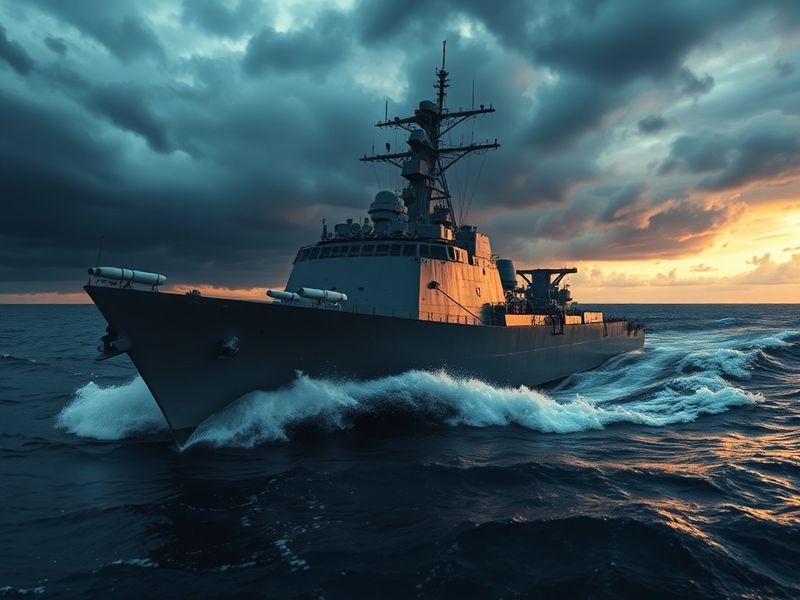
The warship has been the backbone of naval warfare for centuries, evolving from simple wooden vessels to sophisticated floating fortresses bristling with advanced technology. These ships are not merely tools of conflict but symbols of national power, technological prowess, and strategic foresight. Their designs reflect the geopolitical tensions of their eras, from the ironclads of the 19th century to the stealthy destroyers of today.
Understanding the warship requires examining its historical roots, technological advancements, and the broader implications of its existence in modern warfare. This article explores these dimensions, offering insights into how these maritime giants continue to shape global power dynamics.
The Historical Evolution of Warships
The journey of the warship began in antiquity, with the earliest recorded naval battles documented in ancient Egypt and Greece. Triremes, with their three rows of oars, dominated the Mediterranean, enabling Athens to project power during the Peloponnesian War. These vessels were primarily platforms for ramming and boarding actions, with speed and agility being their greatest assets.
The Middle Ages saw the rise of the carrack and caravel, ships designed for both trade and combat. The carrack, with its multiple masts and square-rigged sails, became the workhorse of European navies, while the caravel’s maneuverability made it ideal for exploration and skirmishes. The shift from oar-powered vessels to sail-driven ships marked a significant leap in naval technology, allowing for longer voyages and greater firepower.
The Industrial Revolution transformed warship design irrevocably. The introduction of steam engines in the 19th century eliminated the reliance on wind, while iron and steel hulls replaced wood, making ships more durable and resistant to fire. The American Civil War’s Monitor vs. Merrimack engagement demonstrated the superiority of ironclads, ushering in a new era of naval warfare.
Key Milestones in Warship Development
- 1859: Launch of France’s La Gloire, the first ocean-going ironclad warship.
- 1866: The Battle of Lissa, where Austria-Hungary’s ironclad fleet defeated Italy using ramming tactics.
- 1890s: Introduction of battleships like HMS Royal Sovereign, armed with heavy naval guns and thick armor.
- 1906: HMS Dreadnought revolutionized naval design with its “all-big-gun” armament and steam turbine propulsion.
- 1940s: Aircraft carriers became the dominant capital ships, culminating in the clash of fleets at Midway during World War II.
Technological Advancements and Modern Warships
Today’s warships are marvels of engineering, integrating cutting-edge technology to maintain dominance on the high seas. Stealth has become a critical feature, with designs that minimize radar cross-sections, such as the U.S. Navy’s Zumwalt-class destroyers. These ships employ advanced materials, angled surfaces, and reduced emissions to evade detection.
Propulsion systems have also seen dramatic improvements. Gas turbines and integrated electric propulsion (IEP) systems offer greater efficiency and reliability. The Royal Navy’s Queen Elizabeth-class aircraft carriers, for instance, use IEP to power their massive 65,000-ton hulls, enabling speeds of over 25 knots while reducing fuel consumption.
Armaments have evolved to meet contemporary threats. The Phalanx Close-In Weapon System (CIWS) provides point-defense against anti-ship missiles, while vertical launch systems (VLS) allow for the deployment of a variety of missiles, from anti-air to land-attack cruise missiles. The Aegis Combat System, used by the U.S. and allied navies, integrates radar, missiles, and fire control into a seamless network, enabling ships to track and engage multiple targets simultaneously.
Unmanned systems are increasingly playing a role in modern naval operations. Drones conduct reconnaissance, mine countermeasures, and even engage in combat, reducing risks to human crews. The U.S. Navy’s Sea Hunter, an unmanned surface vessel, represents a new frontier in autonomous naval warfare, capable of operating for months without refueling.
The Geopolitical Role of Warships
Warships are not just instruments of military might; they are tools of diplomacy and power projection. A naval presence can deter aggression, enforce blockades, or demonstrate a nation’s commitment to regional stability. The U.S. Navy’s 7th Fleet, for example, maintains a constant presence in the Pacific, ensuring freedom of navigation and countering China’s growing maritime ambitions.
In the South China Sea, territorial disputes have led to a naval arms race, with nations like China, Vietnam, and the Philippines bolstering their fleets with advanced warships. China’s construction of artificial islands and the deployment of its Type 055 guided-missile destroyers underscore its efforts to establish dominance in the region. Meanwhile, the U.S. has responded by increasing patrols and strengthening alliances with countries like Japan and Australia.
Warships also play a crucial role in humanitarian missions. During crises such as natural disasters or piracy threats, naval vessels provide rapid response capabilities, delivering aid, evacuating civilians, or conducting anti-piracy operations. The integration of drones and AI into these operations further enhances their effectiveness, allowing for real-time data analysis and decision-making.
The Future of Warships: Challenges and Innovations
The future of warships is likely to be shaped by several emerging trends. Hypersonic missiles, capable of traveling at speeds greater than Mach 5, pose a significant threat to current naval defenses. Navies are investing in directed-energy weapons, such as lasers, to counter these threats, with the U.S. Navy already deploying the LaWS (Laser Weapon System) on its Ponce amphibious transport dock.
Another trend is the increasing use of artificial intelligence (AI) and machine learning. AI can optimize ship operations, predict maintenance needs, and even assist in tactical decision-making. The U.K.’s Royal Navy has launched the AI-Powered Warship initiative, aiming to integrate AI into its future fleet to enhance situational awareness and operational efficiency.
However, the rise of asymmetric threats, such as cyber warfare and swarming attacks by small boats, presents new challenges. Navies must adapt by developing robust cyber defenses and deploying scalable, modular systems that can respond to unpredictable threats. The concept of “distributed lethality,” where smaller, more numerous ships are equipped with significant firepower, is gaining traction as a way to counter these challenges.
The environmental impact of warships is also under scrutiny. Stricter regulations on emissions and the adoption of alternative fuels, such as hydrogen or biofuels, are becoming priorities. The Norwegian Navy’s Horten class of minesweepers, powered by biofuels, sets a precedent for sustainable naval operations.
As technology advances, the warship of the future may look radically different from today’s models. Concepts like drone motherships, underwater drone carriers, and even autonomous fleet operations are no longer confined to science fiction. The balance between manned and unmanned systems will define the next generation of naval warfare, raising questions about the role of human sailors in an increasingly automated environment.
Conclusion: The Enduring Significance of Warships
From the wooden hulls of antiquity to the digital battlefields of today, warships have remained a cornerstone of military power and global stability. Their evolution reflects humanity’s relentless pursuit of technological superiority and strategic dominance. As geopolitical tensions rise and new threats emerge, the warship will continue to adapt, ensuring its relevance in an ever-changing world.
Yet, the warship is more than just a weapon; it is a symbol of national identity and a tool for diplomacy. In an era of great-power competition, these floating fortresses serve as a reminder of the delicate balance between peace and conflict. As we look to the future, the warship will undoubtedly play a pivotal role in shaping the global order, whether through deterrence, humanitarian aid, or the defense of free seas.
The next chapter in naval warfare is being written today. It will be defined by innovation, adaptability, and the enduring quest for dominance on the world’s oceans.