<!DOCTYPE html>
<html lang="en">
<head>
    <meta charset="UTF-8">
    <meta name="viewport" content="width=device-width, initial-scale=1.0">
    <title>Biobanks: The Silent Guardians of Medical Progress</title>
</head>
<body>
    <article>
        <h1>Biobanks: The Silent Guardians of Medical Progress</h1>

        <p>In the quiet corridors of research facilities around the globe, an unsung revolution is taking place. Biobanks—collections of biological samples and associated data—are reshaping the future of medicine, often without fanfare. These repositories, which store everything from blood and tissue to DNA and cells, serve as the backbone for breakthroughs in disease treatment, personalized medicine, and public health. Yet their role remains largely invisible to the public eye.</p>

        <p>Consider the case of Iceland’s deCODE genetics, which built one of the world’s most comprehensive biobanks. By analyzing the genetic data of nearly the entire population, researchers uncovered critical insights into diseases like Alzheimer’s and diabetes. Such initiatives demonstrate how biobanks transform raw biological material into life-saving knowledge. Without these silent archives, many modern medical advancements would grind to a halt.</p>

        <h2>The Mechanics of Biobanks: How They Work</h2>

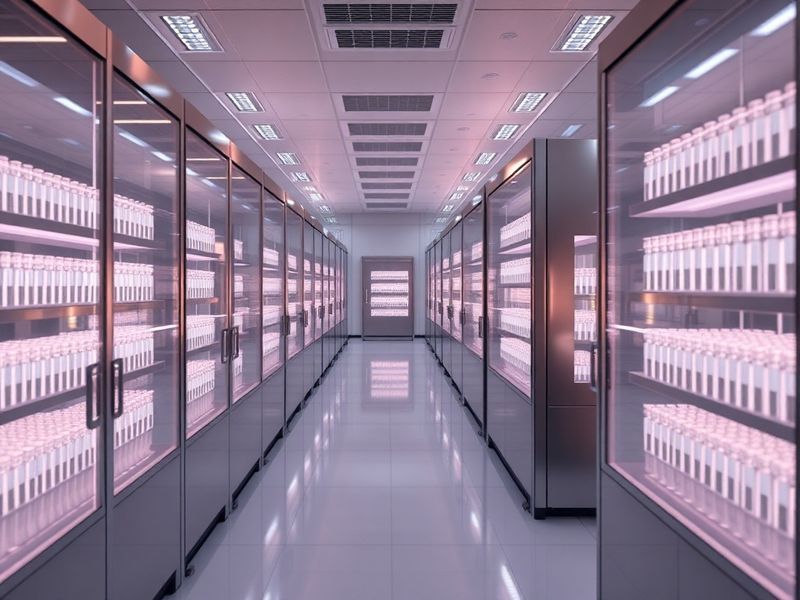
        <p>Biobanks operate on a deceptively simple premise: collect, store, and distribute. The process begins with the acquisition of samples, often donated by patients undergoing medical procedures or participating in research studies. These samples are meticulously cataloged, with metadata such as age, gender, medical history, and lifestyle factors attached. Advanced technologies, including robotics and AI-driven tracking systems, ensure samples remain viable for decades.</p>

        <p>Storage methods vary depending on the type of sample. For instance:</p>

        <ul>
            <li><strong>Blood and plasma:</strong> Typically frozen at -80°C to preserve cellular integrity.</li>
            <li><strong>Tissue samples:</strong> Stored in liquid nitrogen at -196°C to maintain cellular structure.</li>
            <li><strong>DNA/RNA:</strong> Often kept at -20°C or dried on special cards for long-term stability.</li>
        </ul>

        <p>The ethical framework surrounding biobanks is equally intricate. Donors must provide informed consent, and strict protocols govern how samples are used. Many biobanks, such as the <a href="https://www.daveslocker.net/health">UK Biobank</a>, operate under robust ethical guidelines to ensure transparency and trust. This balance between scientific utility and ethical responsibility is what makes biobanks both powerful and contentious.</p>

        <h2>The Impact of Biobanks on Medical Research</h2>

        <p>Few scientific tools have had as transformative an impact as biobanks. Their contributions span multiple domains, from oncology to epidemiology. Take the fight against cancer, for example. Biobanks like the <a href="https://www.daveslocker.net/science">NCI’s Cancer Human Biobank (caHUB)</a> provide researchers with access to tumor tissues and healthy controls, enabling the study of genetic mutations that drive cancer progression. These insights have led to targeted therapies that save lives.</p>

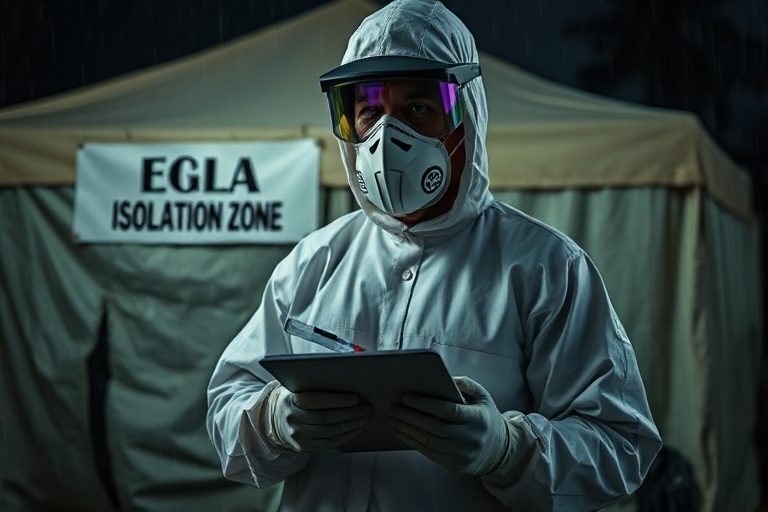
        <p>Beyond cancer, biobanks are revolutionizing our understanding of infectious diseases. During the COVID-19 pandemic, biobanks played a pivotal role in vaccine development. By studying stored blood samples, researchers identified immune responses to the virus, accelerating the creation of mRNA vaccines. This underscores how biobanks serve as historical records of human health, offering clues to past, present, and future outbreaks.</p>

        <p>The potential of biobanks extends into personalized medicine. By correlating genetic data with health outcomes, researchers can tailor treatments to individual patients. For instance, biobank data has helped identify genetic markers that predict adverse reactions to certain drugs, allowing for safer prescriptions. This shift toward precision medicine is not just a scientific leap—it’s a paradigm that prioritizes patient well-being over one-size-fits-all solutions.</p>

        <h2>The Challenges and Ethical Dilemmas</h2>

        <p>Despite their promise, biobanks face significant challenges. Chief among them is the issue of consent. When samples are collected for one study, can they ethically be used for another? The debate over broad consent versus dynamic consent continues to divide experts. Some argue that broad consent—where donors agree to unspecified future uses—is sufficient, while others advocate for dynamic consent, which allows donors to revisit their decisions over time.</p>

        <p>Data privacy is another critical concern. Biobanks store vast amounts of sensitive information, making them prime targets for cyberattacks. High-profile breaches, such as the 2015 hack of the UCLA Health System, highlight the vulnerabilities in even the most secure systems. To mitigate risks, biobanks are adopting cutting-edge encryption and blockchain technologies to safeguard donor data.</p>

        <p>Accessibility and equity also pose hurdles. Many biobanks are concentrated in wealthy nations, leaving low- and middle-income countries underrepresented in global research. This disparity can skew scientific findings, as treatments developed without diverse genetic data may not work for all populations. Initiatives like the <strong>Global Alliance for Genomics and Health (GA4GH)</strong> aim to address this by promoting international collaboration and data-sharing standards.</p>

        <h2>The Future of Biobanks: Trends and Innovations</h2>

        <p>The next decade will likely see biobanks evolve in unprecedented ways. One emerging trend is the integration of real-world data (RWD) with biobank samples. By combining genetic information with electronic health records, wearable device data, and even social determinants of health, researchers can paint a more comprehensive picture of disease. This holistic approach could unlock new avenues for prevention and treatment.</p>

        <p>Another exciting development is the rise of virtual biobanks. These digital repositories aggregate data from multiple sources, allowing researchers to access samples and information without physical storage constraints. For example, the <strong>European Genome-phenome Archive (EGA)</strong> hosts genomic data from thousands of studies, enabling cross-disciplinary research on an unprecedented scale.</p>

        <p>Biobanks are also becoming more patient-centric. Initiatives like the <strong>All of Us Research Program</strong> in the U.S. prioritize community engagement, ensuring that diverse voices shape research priorities. By involving participants in the design and governance of biobanks, these programs foster trust and inclusivity—a critical step toward equitable healthcare.</p>

        <p>The potential of biobanks extends beyond human health. Environmental biobanks, which store samples of soil, water, and wildlife, are helping scientists track biodiversity loss and climate change. These repositories serve as time capsules, preserving the genetic legacy of Earth’s ecosystems for future generations. In this way, biobanks are not just tools for medicine—they are guardians of life itself.</p>

        <h2>Conclusion: Why Biobanks Matter Now More Than Ever</h2>

        <p>Biobanks may operate behind the scenes, but their impact is undeniable. They are the unsung heroes of medical progress, bridging the gap between raw biological material and life-saving treatments. As technology advances and global collaboration grows, biobanks will play an even more pivotal role in shaping the future of health and science.</p>

        <p>Yet their success hinges on addressing ethical challenges, ensuring equitable access, and maintaining public trust. By doing so, biobanks can fulfill their ultimate promise: to turn the mysteries of biology into tangible benefits for humanity. In a world where health challenges are becoming increasingly complex, these silent guardians offer a beacon of hope—and a roadmap to a healthier future.</p>
    </article>