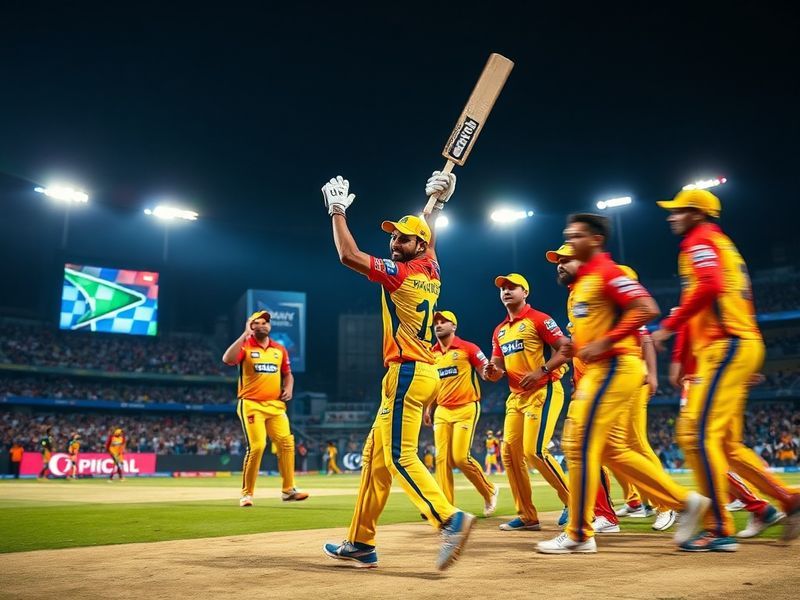
Few rivalries in modern cricket match the intensity of Chennai Super Kings (CSK) versus Mumbai Indians (MI). Since the Indian Premier League (IPL) launched in 2008, these two franchises have defined what it means to compete at the highest level. Their 60+ meetings—across playoffs, finals, and league stages—have produced some of the tournament’s most dramatic moments.
The rivalry transcends sport. It reflects broader cultural divides within India itself. Mumbai, India’s financial capital, represents cosmopolitan ambition and global exposure. Chennai, the capital of Tamil Nadu, embodies tradition, loyalty, and regional pride. When these teams clash, they’re not just playing for points—they’re representing identities. This global appeal has turned CSK vs MI into must-watch events, drawing millions of fans across continents.
The Origins of the Rivalry
The first official CSK vs MI match took place on May 1, 2008, at the Wankhede Stadium in Mumbai. CSK, led by MS Dhoni, was the underdog. MI, captained by Sachin Tendulkar, was the star-studded favorite. The result—a 10-wicket win for MI—set the tone for years to come. Yet, CSK quickly responded, forging a reputation for resilience that would define the rivalry.
By 2010, the teams met in the IPL final. CSK won by 22 runs, marking their first title. The victory was symbolic: it proved that a team built on strategy and camaraderie could outperform one built on individual brilliance. From that point on, every CSK vs MI match carried the weight of legacy.
Key Moments That Shaped the Narrative
The rivalry has been forged through unforgettable performances and heart-stopping finishes. In 2013, MI edged CSK in a last-over thriller at Eden Gardens. The 2019 playoff match saw MS Dhoni pull off a stunning run-out, stunning the Mumbai crowd. And in 2020, during the IPL’s UAE season, CSK overcame a 7-wicket deficit in a rain-affected game, powered by a Faf du Plessis masterclass.
These moments aren’t just highlights—they’re cultural touchstones. For CSK fans, known as the “Whistle Podu Army,” each win is a celebration of loyalty. For MI supporters, the purple and gold represent a dynasty built on consistency. These identities have turned CSK vs MI into more than a match; it’s a cultural event.
The Global Influence of CSK vs MI
The rivalry has grown far beyond Indian shores. With the IPL’s expansion into the UK, USA, and Southeast Asia, CSK vs MI games now reach global audiences. Social media amplifies the drama. Fan clubs in Dubai, London, and Melbourne organize watch parties. Memes, trending hashtags, and fantasy leagues keep the conversation alive for days after each match.
This international appeal is partly due to the star power involved. Players like Rohit Sharma, Jasprit Bumrah, Ravindra Jadeja, and Ruturaj Gaikwad have become global ambassadors for the sport. Their performances in CSK vs MI games often define careers and influence transfer markets worldwide.
How the Rivalry Reflects Broader Trends in Cricket
CSK vs MI mirrors the evolution of T20 cricket itself. Both teams have pioneered new strategies: MI’s aggressive auction approach, CSK’s data-driven player management. Their clashes highlight how the IPL has transformed cricket from a traditional sport into a high-octane spectacle.
The rivalry also reflects regional identity in Indian sport. CSK’s fan base is deeply rooted in South India, where loyalty to the team is almost religious. MI, meanwhile, draws support from urban centers across the country. These dynamics have made CSK vs MI a microcosm of India’s diverse sporting culture.
The Business of the Rivalry
Commercially, CSK vs MI is gold. Broadcast rights for these matches sell at a premium. Sponsorships surge during the rivalry weeks. Merchandise—especially jerseys and flags—outsells regular-season games by 300% or more. The IPL’s governing body, the BCCI, strategically schedules these games during primetime to maximize viewership.
This financial impact extends to player endorsements. A strong performance in CSK vs MI can elevate a cricketer’s brand globally. For instance, Ravindra Jadeja’s all-round heroics in 2021 led to a surge in his international endorsement deals.
What’s Next for CSK vs MI?
As the IPL enters its second decade, the rivalry shows no signs of fading. With younger talents like Yashasvi Jaiswal and Shivam Dube rising, new chapters are being written. Yet, the core of the rivalry remains unchanged: two teams, two cities, one obsession with winning.
The IPL has already expanded to 10 teams, but CSK vs MI remains the marquee clash. It’s a fixture that defines the league’s identity. Whether in a league match or a final, when these two teams take the field, the world stops to watch.
For fans of sports and cricket enthusiasts worldwide, CSK vs MI isn’t just a game. It’s a celebration of competition, culture, and the unifying power of sport.
Key Takeaways from the CSK vs MI Rivalry
The CSK vs MI rivalry is more than a cricketing contest. It’s a cultural phenomenon that reflects identity, strategy, and global fandom. Here’s what makes it unique:
- Historical Significance: First played in 2008, the rivalry spans over 60 matches across all formats of the IPL.
- Cultural Divide: Represents the contrast between Mumbai’s cosmopolitan ambition and Chennai’s regional pride.
- Global Reach: Broadcast in over 100 countries, with fan clubs across continents.
- Economic Impact: Generates millions in broadcast revenue, sponsorships, and merchandise sales.
- Player Legacy: Matches often define careers and influence player valuations in the IPL auction.