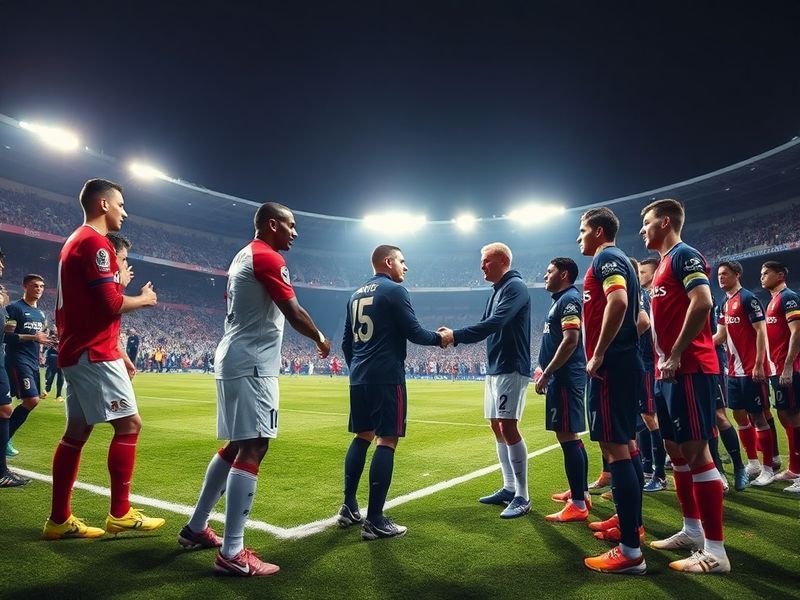
Football rivalries often transcend the boundaries of sport, embedding themselves in the cultural and social fabric of their cities. The clash between Bologna FC 1909 and AS Roma is one such rivalry—rooted in history, geography, and identity. While the Serie A league table doesn’t always reflect the intensity of their meetings, the emotional stakes remain undiminished for players and fans alike.
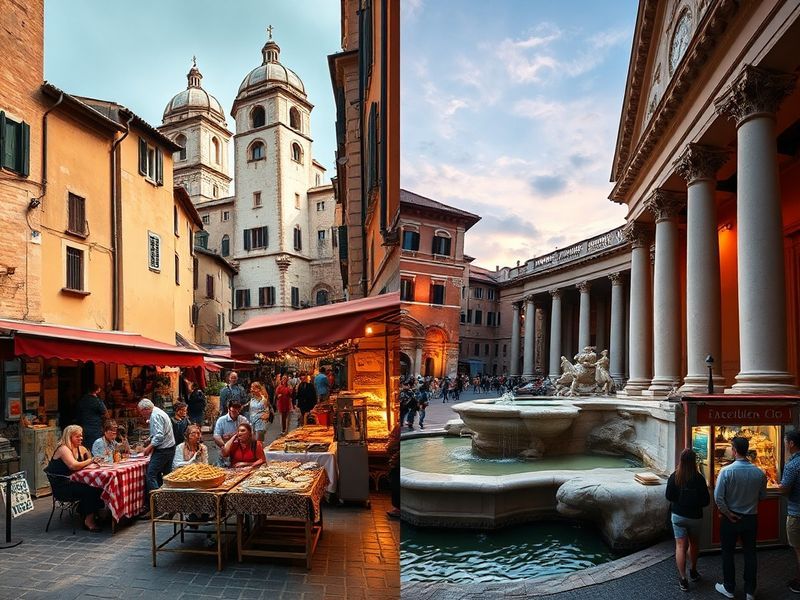
This fixture isn’t just about three points. It’s about pride, tradition, and the unspoken battle between Italy’s industrial north and its eternal capital. Bologna, with its medieval towers and university prestige, has long been a city of intellect and progress. Roma, meanwhile, carries the weight of empire, its identity woven into the very stones of the Colosseum and the Vatican. When these two meet, it’s more than a match—it’s a cultural dialogue played out on the pitch.
The Origins of a Deep-Seated Rivalry
The roots of the Bologna-Roma rivalry stretch back to the early 20th century. Bologna FC was founded in 1909, emerging during a period of rapid industrialization and intellectual awakening in northern Italy. The Rossoblu (Red and Blues) became a symbol of Bologna’s progressive spirit, a team that played attractive, technical football in a region often associated with pragmatism.
Roma, founded in 1927 through a controversial merger of three clubs, was intended to create a powerhouse worthy of Italy’s capital. The Giallorossi (Yellow and Reds) embodied Rome’s grandeur and ambition. That duality—Bologna’s innovation versus Roma’s legacy—set the stage for a rivalry that was as much about philosophy as it was about results.
Historically, the balance of power has favored Roma in terms of trophies and league titles. But Bologna’s resilience, especially in the post-war era and during periods of financial struggle for Roma, has kept the rivalry alive. The two clubs have met over 140 times in Serie A, with Roma holding a narrow edge in wins, but the closeness of their encounters often makes the outcome feel secondary to the spectacle.
Cultural and Geographical Divides
The contrast between Bologna and Rome extends far beyond football. Bologna is known as “La Grassa” (the fat one) for its rich cuisine—think tortellini, ragù alla bolognese, and mortadella—while Rome is “La Città Eterna” (the eternal city), where history is etched into every cobblestone. These identities shape how each club is perceived and supported.
Bologna’s fanbase is often seen as more working-class and politically engaged, with deep ties to the city’s communist and socialist traditions. The Stadio Renato Dall’Ara, with its iconic leaning tower-like structure, feels like an extension of the city’s communal spirit. Roma’s Curva Sud, meanwhile, is a cauldron of passion, influenced by Southern Italian migration and a fan culture that blends devotion with theatricality.
This cultural divide is reflected in the way supporters express themselves. Bologna fans might chant in dialect, referencing local heroes like Giacomo Bulgarelli or Helmut Haller. Roma’s tifosi, by contrast, draw from Roman mythology and Catholic imagery, with chants that feel like prayers or battle hymns. The rivalry isn’t just a sporting one—it’s a clash of identities.
Memorable Matches and Turning Points
The history of Bologna vs Roma is filled with dramatic moments that have cemented the rivalry’s intensity. One of the most iconic came in the 1995–96 season when Bologna, newly promoted to Serie A, stunned Roma 3–1 at the Olimpico. The result was symbolic: the underdog from the north humbling the capital’s team in its own backyard.
Another unforgettable clash occurred in 2019 during a Serie A match at the Dall’Ara. Roma, desperate for points, fell to a 2–1 defeat in stoppage time after Bologna scored twice in the final minutes. The goal by Andreas Skov Olsen, a Dane playing for Bologna, sent the home fans into raptures and left Roma’s supporters in stunned silence. That match wasn’t just a win—it was a statement.
Over the years, the rivalry has seen legendary players grace the pitch. From Roma’s Francesco Totti, the eternal captain, to Bologna’s Roberto Baggio in his later career, these matches have often been stages for footballing legends to write new chapters. Even in lower-league encounters during relegation battles, the intensity never wanes.
Key Matches in Recent Memory
- 2019–20 Serie A: Bologna 2–1 Roma (last-minute win for Bologna)
- 2020–21 Coppa Italia: Roma 2–3 Bologna (after extra time)
- 2022–23 Serie A: Roma 0–1 Bologna (Fabio Armani’s late winner)
- 2023–24 Serie A: Bologna 1–1 Roma (a tense stalemate in Bologna)
Why This Rivalry Matters Beyond Football
In an era where global football is increasingly dominated by financial power, the Bologna-Roma rivalry remains refreshingly local. It’s a reminder that football isn’t just about money or global brands—it’s about community, history, and identity. Both clubs have faced financial struggles, ownership changes, and relegation battles, but their supporters remain loyal, often traveling in large numbers to away games.
This rivalry also highlights the diversity of Italian football. While Juventus, Milan, and Inter dominate headlines, clubs like Bologna and Roma represent the soul of Serie A. They’re teams that play with heart, often punching above their financial weight, and their fans demand authenticity over spectacle.
From a global perspective, the Bologna-Roma clash offers a window into Italy’s regionalism—a country where history, dialect, and cuisine still shape identity. For expatriates and international fans, it’s a chance to understand the deeper layers of Italian culture through football.
And let’s not forget the tactical dimension. Bologna has often been associated with pragmatic, defensive football under managers like Siniša Mihajlović, while Roma has embraced a more fluid, possession-based style under José Mourinho and Daniele De Rossi. These contrasting approaches make for intriguing tactical battles, where the manager’s influence is as important as the players on the pitch.
Conclusion: A Rivalry That Endures
The Bologna vs Roma rivalry may not have the global profile of Milan vs Inter or Juventus vs Torino, but it possesses something far more valuable: authenticity. It’s a rivalry built on decades of history, cultural pride, and mutual respect. In an age where football often feels sanitized and commercialized, this fixture remains raw and real.
Whether it’s a mid-season Serie A match or a high-stakes Coppa Italia tie, the passion from both sets of fans ensures that every encounter is more than just a game. It’s a celebration of two cities, two identities, and two footballing philosophies locked in eternal dialogue.
As long as Bologna FC 1909 and AS Roma continue to write their stories, their rivalry will remain a cornerstone of Italian football—a testament to the power of sport to reflect and shape culture.