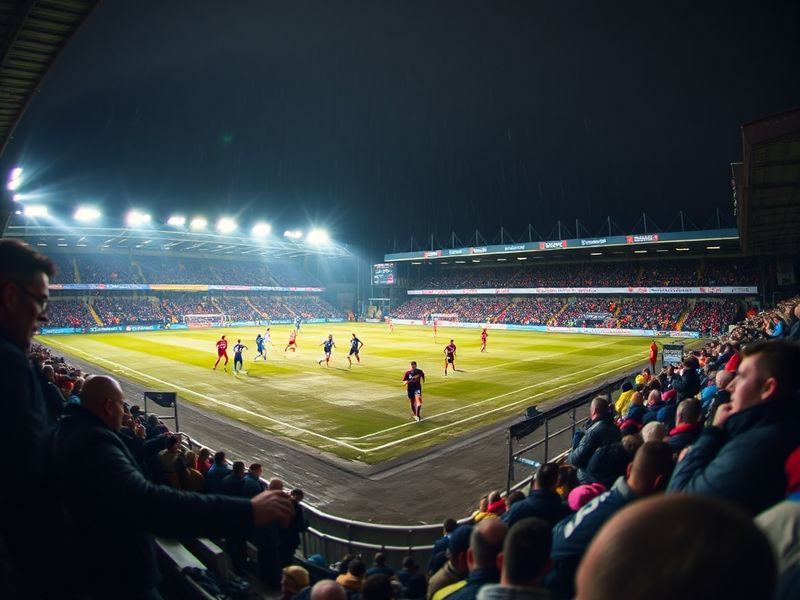
The National League North sits just below the National League in England’s football pyramid, a division where ambition clashes with reality on a weekly basis. While the Premier League and Championship dominate headlines, this tier represents the gritty, unfiltered essence of non-league football. It’s where local clubs fight for pride, promotion, and survival, often against financial odds that would cripple bigger teams.
For fans of clubs like Chester, York City, or Kidderminster Harriers, the National League North isn’t just a league—it’s a lifeline. It’s a proving ground where young talent breaks through, managers make their names, and underdogs defy expectations. Yet, despite its significance, it remains one of English football’s most overlooked competitions.
The Structure and Stakes of National League North
The division consists of 22 teams competing over 42 matches each season, with the champions earning automatic promotion to the National League. The next four teams enter the playoffs, while the bottom four face relegation to the Northern Premier League or Isthmian League. The stakes are high, but the margins are razor-thin.
Financial disparity is a constant challenge. Unlike clubs in higher tiers with lucrative TV deals and sponsorships, National League North teams often operate on shoestring budgets. Some rely on passionate fan bases to keep the lights on, while others teeter on the edge of insolvency. Yet, this financial precariousness fuels the league’s raw authenticity.
The league’s geographical layout adds another layer of complexity. Teams travel vast distances—from the industrial North West to the rural Midlands—creating logistical nightmares and unpredictable outcomes. A midweek trip to Hartlepool or a Saturday slog in Staffordshire can test even the hardiest squads.
Key Factors Influencing Success
- Managerial Impact: With limited resources, a manager’s ability to motivate and innovate is crucial. Clubs that adapt tactically often outperform better-funded rivals.
- Youth Development: Clubs investing in academies, like Fylde and Chester, have seen long-term dividends, producing players who later thrive in higher tiers.
- Fan Engagement: Loyal supporters can turn a modest stadium into a fortress, creating an intimidating atmosphere for visiting teams.
- Financial Stability: Clubs with stable ownership, such as York City under Glen McAteer, tend to enjoy more consistent performances.
The Rise of the “Super Clubs” and the Changing Landscape
In recent years, a handful of clubs have pulled away from the pack, redefining what’s possible in the National League North. Teams like FC Halifax Town and Chesterfield have built squads capable of challenging for promotion year after year, blurring the lines between this division and the tier above.
This shift reflects broader trends in English football. Lower-league clubs are increasingly adopting professional structures, hiring full-time staff and investing in facilities. The success of clubs like Stockport County—who won back-to-back promotions—has shown that smart recruitment and a clear vision can overcome financial limitations.
Yet, the gap between the haves and have-nots is widening. Clubs with wealthy benefactors, such as York City’s recent investment, can surge ahead, while others struggle to keep up. This disparity raises questions about the league’s long-term sustainability. Can the National League North maintain its competitiveness if the financial divide grows too wide?
The Cultural Significance of Non-League Football
Beyond the results and tables, the National League North embodies the soul of English football. It’s a place where communities come together, where a local pub might double as a clubhouse, and where a Sunday league player’s son could one day pull on the first-team shirt. The league thrives on these grassroots connections.
For many fans, supporting a National League North club isn’t just about football—it’s about identity. Whether it’s the working-class pride of Alfreton Town or the historic legacy of Boston United, these clubs represent their towns in a way that bigger teams often don’t. The league’s culture is built on authenticity, passion, and unshakable loyalty.
Media coverage, however, remains sparse. While the Premier League dominates headlines, National League North matches are often reduced to a few lines in local newspapers or a fleeting mention on social media. This lack of exposure makes every victory, every derby win, feel like a small but significant triumph for the clubs and their fans.
What’s Next for the National League North?
The future of the National League North hinges on balancing ambition with realism. Clubs must find ways to compete financially while preserving the league’s unique identity. The introduction of enhanced broadcasting deals for non-league football could provide a lifeline, but it’s unclear whether this will trickle down to the National League North.
One thing is certain: the league’s unpredictability is its greatest strength. A glance at recent seasons shows that even the most storied clubs can stumble, while unfancied teams can rise to the occasion. This unpredictability is what keeps fans coming back, week after week.
For now, the National League North remains a battleground where dreams are made and broken, where underdogs defy the odds, and where football is more than just a game. It’s a testament to the enduring spirit of the sport at its most raw and unfiltered.
And perhaps that’s why, despite the challenges, the league continues to captivate those who know its true value.