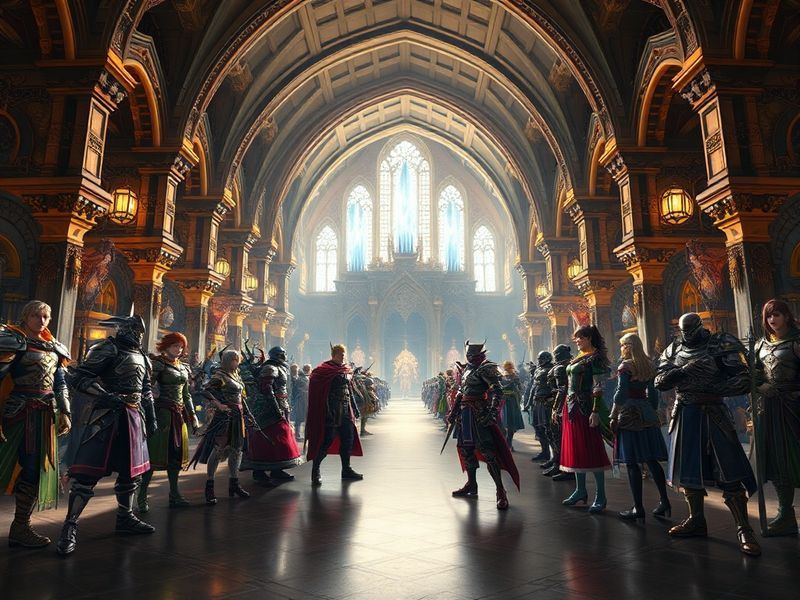
Final Fantasy XIV (FFXIV) stands as one of the most remarkable comebacks in gaming history. After a disastrous launch in 2010, the game was nearly written off by critics and players alike. Yet, through relentless effort and genuine community engagement, Square Enix transformed it into one of the most successful massively multiplayer online role-playing games (MMORPGs) ever created. Its influence extends far beyond its own player base, reshaping expectations for live-service games and redefining what it means to rebuild a franchise from the ground up.
The journey from failure to triumph is not just a gaming anecdote—it’s a case study in resilience, player trust, and the power of iterative design. FFXIV’s evolution reflects broader trends in the gaming industry, where transparency and responsiveness to community feedback have become essential. As other developers face similar challenges, FFXIV’s story offers valuable lessons in recovery and innovation.
The Phoenix Rebirth: From Disaster to Redemption
The original release of Final Fantasy XIV in September 2010 was met with near-universal criticism. Technical issues, clunky gameplay, and a lack of meaningful content plagued the experience. Players and critics alike declared it one of the worst MMORPGs ever made. Square Enix’s response was swift and decisive: the game would be rebuilt from scratch.
Development on what would become A Realm Reborn (ARR) began in earnest, led by a new team under the direction of Naoki Yoshida. Unlike typical reboots, Yoshida and his team chose to retain elements of the original game that fans still appreciated, such as the story and certain gameplay mechanics. This approach preserved continuity while addressing the core flaws that had doomed the first version.
The rebirth of FFXIV wasn’t just technical—it was cultural. Square Enix committed to transparency, frequently updating players on progress through official blogs and community events. This openness fostered a sense of shared ownership between developers and players, a rarity in the industry at the time. By the time A Realm Reborn launched in August 2013, expectations were high, but the game exceeded them, delivering a polished, engaging experience that revitalized the franchise.
Design Philosophy: What Made FFXIV Stand Out
FFXIV’s success can be attributed to several key design choices that set it apart from other MMORPGs. One of the most significant was its focus on storytelling. Unlike many competitors that prioritize grinding and loot, FFXIV weaves intricate narratives across its expansions, with each major update introducing new chapters in an overarching saga. This emphasis on narrative depth creates a sense of investment that keeps players engaged long-term.
The game’s structure also plays a crucial role in its appeal. FFXIV’s leveling system is designed to be accessible yet rewarding, ensuring that new players aren’t overwhelmed while still offering meaningful progression. The dungeon and raid design emphasizes teamwork and strategy, fostering a strong sense of community. Additionally, FFXIV’s housing system, while often criticized for its limitations, adds a layer of personalization that other MMOs lack.
Another standout feature is FFXIV’s commitment to accessibility. The game offers robust accessibility options, including colorblind modes, subtitles, and customizable controls. This inclusivity has broadened its appeal, making it welcoming to players who might otherwise struggle with traditional MMORPG mechanics. It’s a reminder that accessibility isn’t just a feature—it’s a necessity for modern gaming.
Key Features That Define FFXIV
- Story-Driven Gameplay: Each expansion introduces a new narrative arc, with cinematic storytelling that rivals single-player RPGs.
- Balanced Progression: The leveling curve is designed to be engaging without being punishing, appealing to both casual and hardcore players.
- Community-Centric Design: Features like Free Companies (guilds) and player housing encourage social interaction and long-term engagement.
- Frequent, Content-Rich Updates: FFXIV’s quarterly updates ensure that the game remains fresh and exciting, with new raids, dungeons, and events.
- Accessibility Options: A wide range of settings makes the game playable for a diverse audience, setting a standard for the genre.
Broader Implications: How FFXIV Changed the MMO Landscape
FFXIV’s success has had a ripple effect across the gaming industry, influencing how other developers approach live-service games. One of the most significant changes is the shift toward transparency and community engagement. Games like Guild Wars 2 and Lost Ark have adopted more open communication strategies, recognizing that players value honesty and responsiveness from developers.
The game’s financial success has also proven that narrative-driven MMOs can thrive in a market dominated by loot-focused games. While titles like Diablo IV and Destiny 2 emphasize grinding and progression systems, FFXIV demonstrates that storytelling and world-building can be just as compelling. This has encouraged other developers to invest in richer narratives, even within live-service frameworks.
FFXIV has also redefined the role of expansions in MMORPGs. Unlike many competitors that release expansions as standalone products, FFXIV’s expansions are seamlessly integrated into the base game. This approach ensures continuity and reduces the friction of jumping between different versions of the game. It’s a model that other franchises are beginning to emulate, particularly as the industry grapples with subscription fatigue and the challenges of monetizing live-service content.
The Future of FFXIV and Its Legacy
As FFXIV continues to evolve, its future looks brighter than ever. The upcoming Dawntrail expansion, scheduled for release in 2024, promises to push the boundaries of the game’s storytelling and gameplay. With each expansion, Square Enix has demonstrated a commitment to innovation while staying true to the core experience that made FFXIV a success.
Yet, the game’s legacy extends beyond its own player base. FFXIV has become a cultural touchstone, inspiring a wave of MMORPG remakes and revivals. Its story of redemption has resonated with players and developers alike, proving that failure doesn’t have to be the end of a journey. In an era where many games are discarded after a single playthrough, FFXIV’s journey is a testament to the power of perseverance and the importance of listening to your community.
For aspiring game developers, FFXIV offers a blueprint for recovery and reinvention. It’s a reminder that even the most dire situations can be turned around with the right combination of vision, transparency, and dedication. As the gaming industry continues to evolve, FFXIV stands as a shining example of how to rebuild—not just a game, but a community.
Conclusion: Why FFXIV Matters
Final Fantasy XIV is more than just a successful MMO—it’s a symbol of what the gaming industry can achieve when developers prioritize their players. Its journey from failure to triumph is a masterclass in resilience, and its influence can be seen in the design philosophies of countless other games. As it continues to grow, FFXIV will undoubtedly shape the future of MMORPGs, proving that great games are built not just on code and art, but on trust and community.