<!DOCTYPE html>
<html lang="en">
<head>
    <meta charset="UTF-8">
    <meta name="viewport" content="width=device-width, initial-scale=1.0">
    <title>How Angel Reese's Michelle Obama Podcast Breakthrough Rewrites Sports Media Norms</title>
</head>
<body>
    <article>
        <h1>How Angel Reese's Michelle Obama Podcast Breakthrough Rewrites Sports Media Norms</h1>

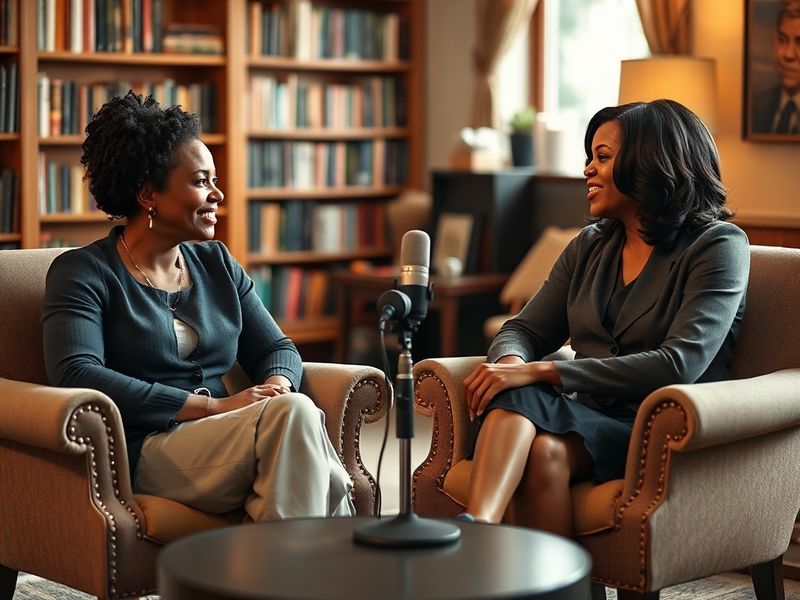
        <p>When Angel Reese and Michelle Obama shared a microphone at the University of Connecticut on a crisp October afternoon, they weren’t just recording another podcast episode. They were dismantling the barriers between women’s basketball, political leadership, and mainstream media representation in one sweeping cultural moment.</p>

        <p>The conversation—streamed live to nearly 200,000 viewers—transformed Reese, the standout LSU forward, from a viral athlete into a voice that now commands both the sports arena and the public square. With Obama’s historic presence as a former First Lady and Reese’s rising stardom in college sports, their dialogue bridged generational and social divides, offering a new template for athlete-activist storytelling.</p>

        <h2>Why This Podcast Matters Beyond Sports</h2>

        <p>Reese’s appearance on the <em>Michelle Obama Podcast</em> wasn’t just a media milestone; it was a cultural reset. For decades, women’s basketball has struggled to secure the same visibility as men’s sports. Yet here was Reese, unapologetically asserting her influence—on the court and in conversations about leadership, equity, and identity.</p>

        <p>Her participation in this platform signals a shift: athletes are no longer content with being seen only for their physical performance. They want to shape the narrative around their careers, values, and social impact. Reese’s presence alongside Obama—who has long championed education, health, and gender equity—amplified that message exponentially.</p>

        <p>This collaboration also highlights how podcasting has become a vital tool for athletes to control their own stories. Unlike traditional media, which often frames athletes within narrow narratives—“the prodigy,” “the underdog,” “the rebel”—podcasts allow for depth, nuance, and direct audience engagement. Reese didn’t just talk about her three-point shooting; she discussed Black girlhood, the pressure of fame, and the responsibility that comes with visibility.</p>

        <h3>The Power of Cross-Generational Mentorship</h3>

        <p>What made the episode compelling wasn’t just celebrity power—it was the mentorship dynamic. Obama didn’t just interview Reese; she engaged her as a peer, a leader in her own right. That reciprocal exchange challenged the idea that mentorship flows only from elder to protégé. Instead, it showcased a partnership where wisdom flows both ways: Obama offering perspective on resilience and public service, Reese grounding the conversation in the realities of modern athlete life.</p>

        <p>This kind of exchange is rare in sports media. Too often, athletes are treated as one-dimensional figures—either heroic or flawed. But Reese and Obama modeled a conversation rooted in mutual respect, where experience and ambition could coexist without hierarchy.</p>

        <h2>What Reese and Obama Discussed—and Why It Resonates</h2>

        <p>The podcast covered a wide range of topics, from Reese’s journey to LSU, her viral moments on social media, and her advocacy for mental health awareness. But three themes stood out as particularly powerful:</p>

        <ul>
            <li><strong>Authenticity in the Public Eye:</strong> Reese spoke openly about the scrutiny she faces as a young Black woman in sports, especially after her emotional post-game interview following LSU’s 2023 national championship run. “I’m not perfect,” she said. “I’m learning every day.” That admission humanized her in a media landscape often obsessed with flawless narratives.</li>

            <li><strong>Education as Empowerment:</strong> Both women emphasized the role of education in shaping leadership. Obama, a graduate of Harvard Law, and Reese, a student at LSU, discussed how formal education and lived experience complement each other. Reese pointed out that her basketball platform gives her a voice to advocate for educational equity—especially for girls in underserved communities.</li>

            <li><strong>The Future of Women’s Sports:</strong> They addressed the commercial and cultural growth of women’s basketball, noting that while viewership is rising, pay equity and media coverage still lag. Reese called for investment in girls’ sports at the grassroots level, positioning herself as both a beneficiary and a champion of that future.</li>
        </ul>

        <h3>From Viral Star to Thought Leader</h3>

        <p>Reese’s evolution from a viral social media sensation to a thoughtful commentator on culture and sport reflects a broader trend among Gen Z athletes. They’re not waiting for platforms to validate them—they’re building their own. By joining the <em>Michelle Obama Podcast</em>, Reese leveraged an established platform to reach audiences beyond sports, including political and civic-minded listeners who might not typically tune into college basketball.</p>

        <p>This crossover appeal is strategic. It allows athletes like Reese to influence conversations about gender, race, and opportunity in spaces where decisions are made—corporate boardrooms, policy circles, and educational institutions. It’s not just about being seen; it’s about being heard in rooms where it matters.</p>

        <h2>Broader Implications for Athletes, Media, and Society</h2>

        <p>The Reese-Obama podcast episode is more than a viral moment—it’s a blueprint for how athlete voices can transcend sports. Here’s what it reveals about the future of sports media and cultural influence:</p>

        <ol>
            <li><strong>Podcasts Are the New Press Conference:</strong> Athletes no longer need to wait for media gatekeepers to define their narratives. Platforms like podcasts give them direct access to audiences, allowing for unfiltered storytelling and advocacy.</li>

            <li><strong>Mentorship Goes Both Ways:</strong> Cross-generational conversations—especially between Black women—are reshaping how leadership is modeled. Reese didn’t just receive wisdom; she contributed to it, offering fresh perspectives on resilience and visibility.</li>

            <li><strong>Sports Are a Vehicle for Social Change:</strong> Reese’s presence on the podcast underscores how sports can be a gateway to broader discussions about equity, education, and mental health. Athletes are increasingly using their platforms to advocate for systemic change, not just personal success.</li>

            <li><strong>The Audience Is Expanding:</strong> The high viewership of the episode shows that audiences crave substance, not just spectacle. Reese and Obama delivered a conversation that was both intimate and aspirational, appealing to sports fans and beyond.</li>
        </ol>

        <h3>What Comes Next for Reese—and for Women’s Sports</h3>

        <p>Reese is on track to be a top WNBA draft pick in 2025, but her influence is already extending beyond the court. She’s a brand ambassador for companies like Nike, a social media figure with over 1.2 million Instagram followers, and now, a podcast guest with the ear of one of the most respected voices in America.</p>

        <p>Her next challenge may be translating this cultural momentum into sustained change within women’s sports. That could mean advocating for better pay in the WNBA, pushing for more coverage of women’s college basketball, or even exploring opportunities in media and activism after her playing days end.</p>

        <p>Obama’s involvement in the conversation also signals a growing recognition that women’s sports deserve a place in the broader cultural dialogue. By aligning with Reese, she lent her platform to a movement that’s gaining momentum: the fight for equal representation in sports media and beyond.</p>

        <h2>A New Chapter for Athlete Voices</h2>

        <p>The Reese-Obama podcast episode wasn’t just a conversation—it was a statement. It declared that athletes, especially women and women of color, have the right to shape their own narratives, to be seen as more than performers, and to use their influence to drive change.</p>

        <p>In an era where social media often reduces complex figures to soundbites, Reese and Obama modeled how depth, authenticity, and collaboration can create moments that resonate far beyond their immediate audience. Their dialogue wasn’t just about basketball or politics. It was about the power of voice—and who gets to wield it.</p>

        <p>For young athletes watching, the message is clear: your platform isn’t just for highlights. It’s for history.</p>

        <p>And for the rest of us? It’s a reminder that leadership isn’t confined to titles or arenas. It’s found in the courage to speak, the wisdom to listen, and the willingness to lift others as you rise.</p>

        <p>As Reese herself put it during the episode: “I want to be remembered not just for what I did on the court, but for how I used my voice to make a difference.” That sentiment—more than any dunk or three-pointer—may be her most lasting legacy.</p>
    </article>

    <!-- Metadata Section -->