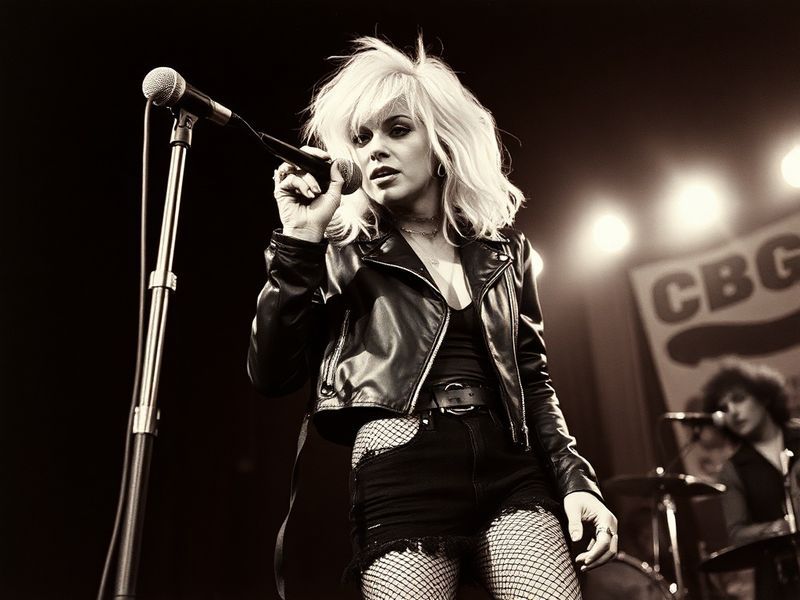
Debbie Harry: How the Punk Icon Redefined Music and Style
“`html
Debbie Harry: The Punk Icon Who Redefined Cool
Debbie Harry isn’t just a musician—she’s a cultural landmark. With her platinum blonde hair, sharp cheekbones, and effortless charisma, she became the face of a movement that reshaped music, fashion, and identity. As the frontwoman of Blondie, Harry didn’t just sing; she embodied the rebellious spirit of punk while making it accessible, sophisticated, and enduringly cool.
Born Angela Trimble in Miami in 1945, Harry’s journey to stardom was anything but conventional. Raised in New Jersey, she worked odd jobs—waitress, Playboy Bunny, and even a secretary—before finding her voice in New York’s underground music scene. By the mid-1970s, she co-founded Blondie, a band that would bridge punk’s raw energy with new wave’s polish, creating a sound that felt both revolutionary and timeless.
The Rise of Blondie and the Birth of a Movement
Blondie emerged from New York’s punk underground, a scene defined by its DIY ethos and refusal to conform. The band’s 1976 self-titled debut album introduced Harry’s magnetic presence—her voice a mix of sultry warmth and rebellious edge. But it was their third album, Parallel Lines (1978), that catapulted them to global fame.
The album’s lead single, “Heart of Glass,” became a worldwide hit, blending disco, punk, and pop into something entirely new. Harry’s delivery—cool, detached yet deeply engaging—made the song an anthem for a generation. It wasn’t just a commercial success; it was a cultural reset, proving that music could be both edgy and mainstream.
Blondie’s influence extended beyond music. Harry’s style—leather jackets, fishnet stockings, and bold makeup—became a template for punk and new wave fashion. She wasn’t just a musician; she was a style icon, challenging traditional notions of femininity while embracing a look that felt both dangerous and glamorous.
Harry’s Global Impact: Breaking Boundaries in Music and Beyond
Harry’s appeal wasn’t confined to the U.S. In the UK, Blondie became punk royalty, embraced by figures like the Sex Pistols’ John Lydon and The Clash’s Joe Strummer. Their 1979 tour of the UK sold out venues within hours, cementing their status as international stars.
But Harry’s impact went deeper than fame. She represented a new kind of woman in rock—one who was unapologetically sexual, fiercely independent, and intellectually sharp. Songs like “Call Me” (written for the film American Gigolo) and “Rapture” (the first rap song to hit #1 on the Billboard Hot 100) showcased her versatility and refusal to be boxed in.
Her influence can be seen in countless artists, from Madonna to Gwen Stefani, who cite her as a defining figure in their own careers. Even today, Harry’s presence in pop culture remains undiminished. In 2017, she received a Grammy Lifetime Achievement Award, a testament to her enduring legacy.
The Woman Behind the Icon: Harry’s Personal and Professional Evolution
While Harry is often celebrated for her public persona, her personal journey is equally compelling. She navigated the pressures of fame while maintaining a sense of authenticity that few artists manage. In interviews, she’s spoken candidly about the challenges of being a woman in the music industry, from sexism to the double standards that defined her career.
Her solo work further underscored her artistic range. Albums like KooKoo (1981) and Def, Dumb & Blonde (1989) experimented with funk, rap, and electronic music, proving that her creativity wasn’t bound by genre. Even in her later years, Harry continued to evolve, collaborating with artists across generations and remaining a vital force in music.
Beyond music, Harry has been an advocate for LGBTQ+ rights and a vocal supporter of progressive causes. She’s used her platform to challenge norms, whether through her unapologetic sexuality or her outspoken critiques of political injustices. In an era where artists are often expected to stay silent, Harry’s activism feels refreshingly bold.
Legacy: Why Debbie Harry Still Matters
Debbie Harry’s legacy isn’t just about the records she made or the records she broke. It’s about the way she redefined what it meant to be a woman in music. She wasn’t just a pretty face; she was a thinker, a disruptor, and a trailblazer who refused to play by the rules.
Today, as we celebrate the 50th anniversary of punk, Harry’s influence is more relevant than ever. The DIY spirit she embodied is alive in underground scenes worldwide, and her fearlessness in the face of industry expectations continues to inspire new generations of artists. Whether through her music, her fashion, or her uncompromising attitude, Debbie Harry proved that cool isn’t just about rebellion—it’s about authenticity.
In a world where artists are often reduced to soundbites or trends, Harry’s career stands as a reminder of the power of staying true to oneself. She wasn’t just a star; she was a force of nature, and her impact will be felt for decades to come.