NFL Draft Picks: How Smart Teams Uncover Hidden Value
“`html
How NFL Draft Picks Shape the Future of Football
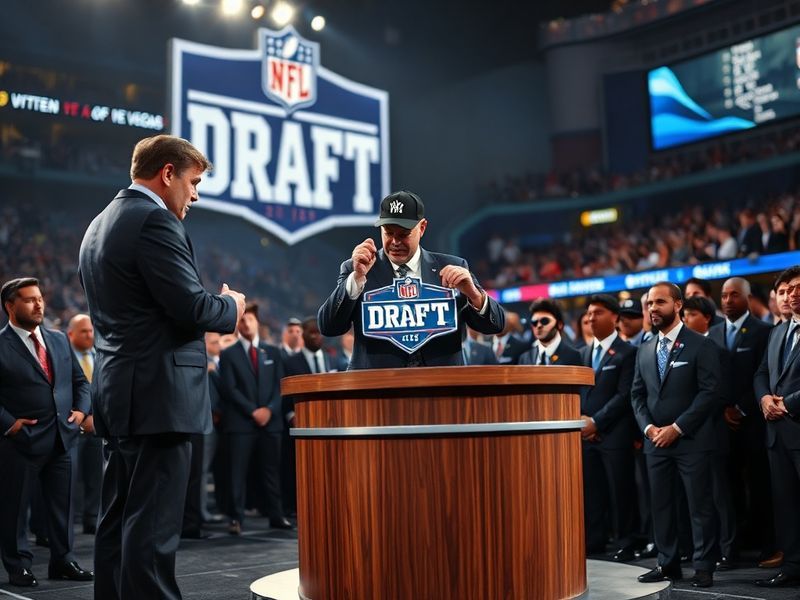
The NFL Draft is more than a weekend event—it’s a yearly reset for every franchise. Each selection represents hope, strategy, and the potential to alter a team’s trajectory for years. While fans obsess over first-round picks, the real value often lies in later rounds where hidden gems emerge.
This year’s draft class arrived with fewer household names and more raw potential. Teams scrambled to fill gaps with players who fit specific schemes rather than chasing big personalities. The shift reflects a league prioritizing versatility over hype, a trend that could redefine how franchises build rosters.
The Three Pillars of Draft Success
Not all draft picks succeed, but the teams that consistently hit on selections follow three core principles:
- Positional Value: Some positions are simply harder to replace. Quarterbacks, left tackles, and edge rushers dominate the first round because their absence cripples a team. The 2024 draft saw five offensive tackles taken in the top 15, underscoring how critical pass protection remains in a pass-heavy league.
- Scheme Fit: A player’s college system rarely mirrors an NFL scheme. Scouts now spend more time analyzing how prospects translate rather than relying on college production alone. A dominant interior lineman in a spread offense might struggle in a power-run scheme, and teams are accounting for that.
- Medical Risk Assessment: Injuries derail more careers than poor performance. Teams now invest heavily in pre-draft medical evaluations, sometimes passing on top talents due to injury concerns. The 2023 class saw several first-round talents drop due to lingering issues, proving that durability often trumps flash.
Take the Jacksonville Jaguars’ selection of a Georgia cornerback in the second round. While not a headline-grabbing name, the player’s tape showed elite man-coverage skills—exactly what a defense lacking in press-man ability needed. That’s value. Conversely, a team reaching for a quarterback with “tools” but poor pocket presence risks wasting a roster spot.
Where the Real Steals Happen
First-round picks dominate headlines, but the draft’s true magic unfolds in rounds three through seven. These are the rounds where analytics departments and savvy GMs separate themselves from the pack. Consider the following:
- Day 3 Diamonds: Players like Kyle Shanahan’s late-round finds have reshaped offenses. A sixth-round tight end from a small school might lack the draft hype of a top-10 pick, but if he’s the final piece in a Shanahan-style system, his impact outweighs his draft position.
- International Prospects: The NFL’s International Player Pathway Program has produced viable starters. A German offensive lineman taken in the seventh round could start as a rookie if a team’s depth chart is thin. These players often bring elite work ethic and adaptability—traits that translate well to NFL locker rooms.
- Undersized but Skilled: Running backs and defensive backs who measure under ideal size for their positions are thriving. A 5’9” running back with 4.3 speed might not fit a traditional power-run scheme, but in today’s pass-first NFL, his explosiveness could be a weapon. The league’s evolution demands creativity in player evaluation.
The 2024 draft produced a record number of seventh-rounders who made Week 1 rosters. Teams are no longer treating late picks as throwaways; they’re stockpiling developmental talent like never before.
The Ripple Effect on Team Building
Draft picks don’t just fill roster spots—they alter franchise philosophies. A team that lands a franchise quarterback can finally shift from rebuilding to competing. But the domino effect goes further:
- Cap Space Management: High draft picks require hefty rookie contracts, which can limit flexibility in free agency. The New York Jets’ decision to trade up for a quarterback in 2023 left them with little cap space for veteran reinforcements, forcing them to rely on unproven talent.
- Coaching Changes: A new regime often arrives with fresh ideas about player evaluation. Coaches who prioritize character and football IQ over measurables can uncover late-round gems that traditional scouting misses. The Philadelphia Eagles’ 2022 draft, under new leadership, featured three Day 3 picks who became starters by Year 2.
- Fan Expectations: Draft hype isn’t just about wins and losses—it’s about hope. A team that trades up for a “generational talent” raises fan expectations to unsustainable levels. When those picks don’t pan out, the backlash can be swift, as seen with the Atlanta Falcons’ 2016 quarterback selection.
The best franchises treat the draft like a chess match, not a lottery. They prioritize depth over splash plays, knowing that a single standout pick can change a franchise’s trajectory for a decade.
Lessons from the 2024 Draft
The latest draft class reinforced several key takeaways for NFL decision-makers:
- Quarterback Uncertainty: Only two quarterbacks were selected in the first round, continuing a trend of teams hesitating to commit early to the position. Teams are now more willing to wait, trusting that late-round quarterbacks can develop under the right system.
- Positional Scarcity: Edge rushers and offensive tackles were at a premium, with multiple teams trading up to secure top talents. The league’s emphasis on pass rush isn’t waning, but the supply of elite prospects is shrinking.
- Analytics Over Tradition: Teams are increasingly relying on data to identify undervalued positions. A team might pass on a flashy wide receiver in favor of a lesser-known defensive back with elite coverage metrics.
- Trade Market Evolution: The draft’s trade value chart is becoming obsolete. Teams now assign value based on positional need rather than a rigid chart, leading to more creative deal-making.
One standout example was a seventh-round linebacker from a mid-major program who tested elite in athletic drills. His 40-yard dash and agility numbers were off the charts, and a team with a creative defensive coordinator saw his potential as a coverage linebacker. By training camp, he was penciled in as a rotational piece—a steal for a mid-round pick.
Conclusion: The Draft’s Enduring Mystery
The NFL Draft remains the most unpredictable event in sports. No model can guarantee success, and even the most meticulous scouting departments miss on prospects. Yet, that unpredictability is what makes the draft so compelling. A single pick can launch a franchise into contention or derail years of planning.
For fans, the draft is a reminder that football is more than just X’s and O’s—it’s about hope, risk, and the relentless pursuit of improvement. For GMs, it’s the ultimate test of judgment. And for players, it’s the day their dreams either take flight or fade away.
As the league continues to evolve, so too will the art of the draft. The teams that embrace innovation, while respecting the fundamentals, will be the ones hoisting trophies in the years to come.
For more insights into how draft picks impact NFL rosters, explore our team analysis and player evaluations.