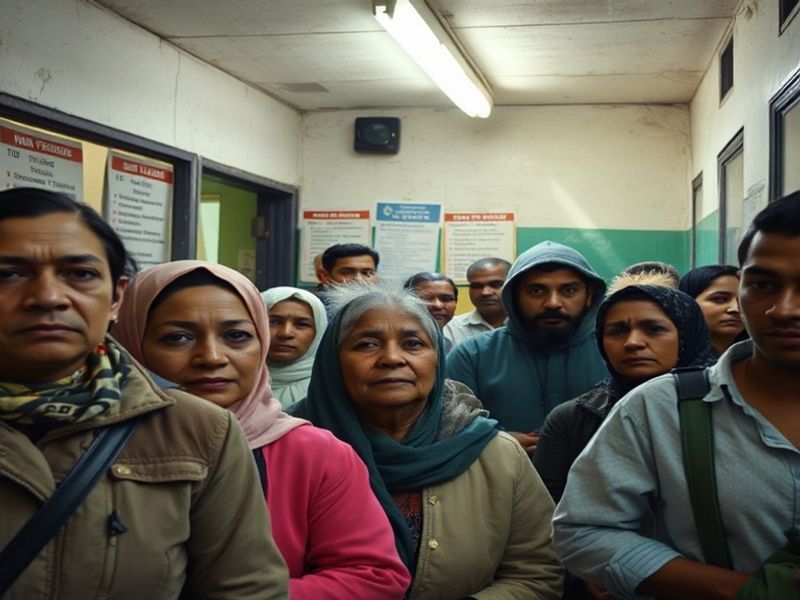
Smuggling: A Global Trade Rooted in History and Necessity
Smuggling is as old as taxation itself. From ancient silk routes to modern shipping lanes, the act of moving goods to avoid duties or outright bans has shaped economies, cultures, and even nations. Unlike piracy, which involves theft on the high seas, smuggling focuses on the clandestine movement of legal or illegal commodities across borders. This shadow trade thrives where regulation is strict, taxes are high, or certain goods are forbidden. Its persistence across centuries reveals a complex interplay of human ingenuity, economic disparity, and governance challenges.
Today, smuggling remains a multi-billion-dollar industry, feeding both survival economies and organized crime. The United Nations estimates that illicit trade accounts for up to 3 percent of global GDP, with smuggling networks operating in nearly every country. Whether it’s cigarettes in Southeast Asia, antiquities in the Middle East, or electronics in Europe, the methods and motives vary—but the core principle remains unchanged: profit through circumvention.
The Historical Roots of Smuggling
Smuggling’s origins trace back to the earliest systems of trade regulation. In ancient Rome, merchants hid goods to avoid the portoria, taxes levied on imports. During the medieval period, European guilds smuggled spices and silks to bypass monopolies controlled by city-states. The British tea trade in the 18th century saw widespread smuggling in colonial America, where colonists rejected high import duties imposed by the Crown. These acts weren’t just about profit—they were often seen as resistance to unjust authority.
Smuggling also played a role in cultural exchange. During the Prohibition era in the United States, rum-running boats supplied speakeasies with alcohol from Canada and the Caribbean. This illicit trade created legends like the “Rum Row” off Long Island and forged connections between American mobsters and Caribbean suppliers. Meanwhile, in India under British rule, opium was smuggled out to China to fuel the opium wars—a dark chapter where commerce and exploitation intertwined.
The 20th century brought new challenges. The Cold War saw the rise of smuggling as a tool of espionage and ideological warfare. Western goods filtered into the Eastern Bloc through Yugoslavia and Austria, while Soviet technology found its way west via third-party channels. Smuggling became a form of soft power—and resistance.
Types of Smuggling and Their Global Impact
Smuggling is not a monolith. It spans a spectrum of activities, from petty theft to transnational crime syndicates. Below are some of the most prevalent forms today:
- Narcotics Smuggling: The most lucrative and dangerous category. Cartels in Mexico, Colombia, and West Africa traffic cocaine, heroin, and synthetic drugs into North America and Europe. Routes shift constantly to evade law enforcement, often exploiting weak border controls or corrupt officials.
- Human Smuggling: A tragic but persistent trade involving the illegal movement of migrants. Unlike human trafficking, smuggling is consensual—though often deadly. The Mediterranean route from North Africa to Europe, and the Darién Gap crossing in Central America, have become notorious for loss of life and exploitation by smugglers.
- Wildlife and Antiquities Smuggling: Highly profitable and devastating to ecosystems and heritage. Ivory, rhino horns, and pangolin scales are smuggled from Africa to Asia. Meanwhile, looted antiquities from Syria, Iraq, and Afghanistan disappear into private collections via networks in Turkey and Lebanon.
- Counterfeit Goods: Fake luxury items, electronics, and pharmaceuticals undermine legitimate markets and endanger consumers. Factories in China and Southeast Asia produce counterfeit goods that flood markets in Africa, Europe, and the Americas via container ships and online platforms.
- Tax-Evading Commodities: Cigarettes, alcohol, and fuel are frequently smuggled across borders to avoid excise taxes. In the European Union, cigarette smuggling costs governments billions annually, with smugglers exploiting tax disparities between countries like Poland and Germany.
The economic impact of smuggling is staggering. The OECD estimates that illicit trade costs governments up to $2.2 trillion per year in lost tax revenue and trade. But the human cost is even greater. Smuggling routes often become death traps—whether through desert crossings, overloaded boats, or poisoned counterfeit medicines. In 2022, at least 2,400 migrants died attempting to reach Europe via the Mediterranean, according to the IOM. These aren’t just statistics; they represent families, dreams, and lives erased by desperation and greed.
Technology and the Evolution of Smuggling Networks
Technology has transformed smuggling from a local cottage industry into a globalized, digitized operation. The dark web enables the sale of drugs, weapons, and counterfeit goods with cryptocurrency payments and encrypted messaging. Platforms like Silk Road and its successors have demonstrated how anonymity and decentralization can empower smugglers while complicating law enforcement efforts.
Social media platforms also play a role. Smugglers in the Balkans and Turkey use Facebook groups and encrypted apps to coordinate cigarette and fuel shipments across Europe. Meanwhile, encrypted apps like Telegram allow human smugglers to guide migrants through treacherous routes in real time, often with tragic consequences when signals fail or routes change abruptly.
On the high seas, smugglers exploit GPS spoofing and satellite communication to evade radar. Small, fast boats known as “go-fasts” dart between islands in the Caribbean, while larger vessels disguise illicit cargo with false manifests. In Southeast Asia, fishermen are sometimes coerced into smuggling drugs or migrants, their boats repurposed as ghost ships.
Law enforcement agencies have responded with advanced surveillance, AI-driven data analysis, and international task forces. Europol’s European Migrant Smuggling Centre coordinates cross-border operations, while Interpol uses blockchain tracing to track illicit financial flows. Yet the cat-and-mouse game continues, with smugglers adapting faster than regulators can respond.
Cultural Attitudes and the Moral Ambiguity of Smuggling
The perception of smuggling varies widely across cultures and contexts. In some societies, smugglers are romanticized as folk heroes resisting oppressive regimes. During the Cold War, smugglers who brought Western jeans, music, and literature into the Eastern Bloc were celebrated as cultural revolutionaries. In Cuba, the term jinetero originally referred to hustlers who traded with tourists for dollars—a form of everyday smuggling that became woven into daily life.
In other contexts, smugglers are vilified as criminals who profit from human suffering. The global backlash against human trafficking has shifted public opinion, though distinctions between smuggling and trafficking remain blurred in policy and perception. In West Africa, traditional smuggling networks that once moved goods across porous borders now facilitate the trafficking of children for labor or exploitation.
Religious and moral frameworks also shape attitudes. In some Islamic societies, smuggling is condemned as haram when it involves prohibited goods like alcohol or pork. Yet in others, it is seen as a necessary evil in times of economic crisis. During Lebanon’s financial collapse, many turned to smuggling subsidized fuel from Iraq or Jordan to survive, with some viewing it as a form of civil disobedience against a corrupt state.
This moral ambiguity extends to consumers. How many have unknowingly purchased counterfeit goods or smuggled alcohol during travel? The demand side of smuggling is often overlooked, yet it fuels the entire supply chain. Without buyers, smugglers would have no market. This raises ethical questions: Is smuggling a victimless crime, or does it perpetuate cycles of harm?
Conclusion: The Future of Smuggling in a Connected World
Smuggling is not going away. As long as there are disparities in wealth, regulation, and opportunity, there will be those willing to exploit the gaps. The challenge for governments is not just enforcement, but addressing the root causes: poverty, corruption, and weak institutions. In the digital age, smuggling has become more sophisticated, but so have the tools to combat it. The future may see a blend of stricter controls and innovative solutions—blockchain verification for supply chains, AI-driven border surveillance, and global cooperation on financial tracking.
Yet the human element remains. Smuggling is ultimately a story of people—those who risk everything to survive, those who profit from their desperation, and those who fight to stop them. Whether it’s a fisherman smuggling refugees across the Mediterranean or a child laborer in a counterfeit factory in Dhaka, the faces behind the trade demand our attention. The fight against smuggling is not just a law enforcement issue; it is a moral one.
As technology advances, smuggling will evolve. But so will our understanding of its consequences. The goal cannot be eradication—that is impossible. Instead, societies must focus on reducing demand, strengthening legal alternatives, and protecting the vulnerable. Only then can we hope to shrink the shadow economy that has thrived for millennia.