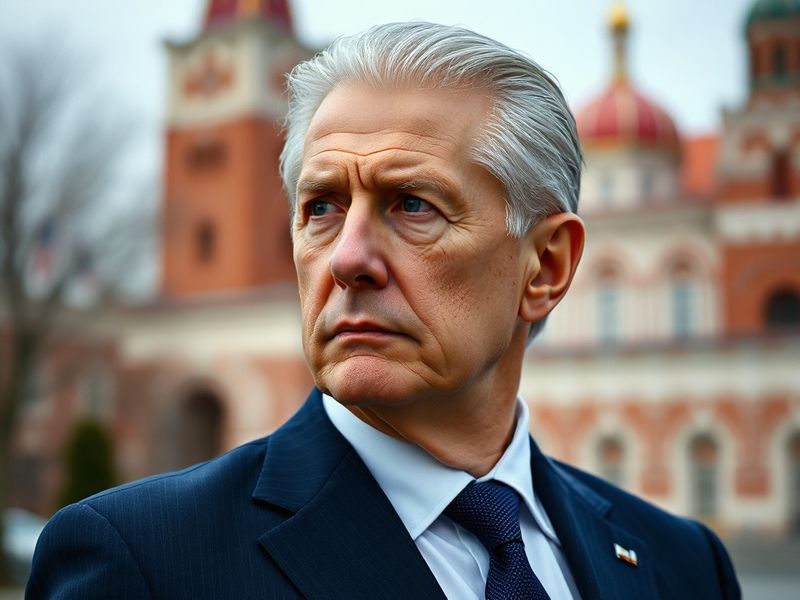
Alexey Mordashov is one of Russia’s most influential yet enigmatic billionaires, whose business empire spans steel production, tourism, media, and sports. With a net worth that has fluctuated alongside global markets, Mordashov’s career reflects the broader trends of post-Soviet economic transformation and the rise of oligarchic influence in modern Russia. His holdings, often managed through complex corporate structures, position him as a key player in both domestic industries and international markets.
The Rise of a Steel Magnate
Mordashov’s journey to the top of Russia’s business elite began in the industrial city of Cherepovets, where he was born in 1965. After graduating from the Leningrad Engineering-Economic Institute, he joined Severstal, a struggling state-owned steel plant, in 1988. By 1996, he had become the company’s CEO, embarking on a bold privatization strategy that would transform Severstal into one of Russia’s largest steel producers.
Under Mordashov’s leadership, Severstal expanded aggressively, acquiring assets in Russia and abroad. The company modernized its operations, adopting advanced technologies to improve efficiency and product quality. Mordashov’s strategy proved prescient as global demand for steel surged in the early 2000s, particularly from China. This period cemented Severstal’s reputation as a competitive player in the international steel market.
Despite economic sanctions and market volatility, Severstal has remained resilient. Mordashov’s ability to navigate crises—such as the 2008 financial crash and the 2020 pandemic—has demonstrated his adaptability. Today, Severstal operates in over 20 countries, employing tens of thousands of workers and contributing significantly to Russia’s industrial output.
Key Acquisitions and Investments
Mordashov’s business strategy extends beyond steel. His investment portfolio includes stakes in energy, media, and even sports. Notable acquisitions include:
- Nord Gold: A major gold mining company with operations in Russia, Africa, and Europe.
- Rossiya Bank: A key financial institution in Russia, often referred to as the “bank of oligarchs.”
- Media Assets: Ownership stakes in major Russian media outlets, including Channel One and Ren TV.
- Tourism Ventures: Investments in ski resorts and hospitality, particularly in the Russian North.
These diversified holdings reflect Mordashov’s belief in vertical integration—controlling multiple facets of an industry to maximize efficiency and profitability.
Controversies and Sanctions
Mordashov’s proximity to power has made him a polarizing figure. As a close ally of Vladimir Putin, he has benefited from state support, particularly in securing lucrative contracts and favorable regulatory conditions. However, his business dealings have also drawn scrutiny, particularly from Western governments.
In 2022, Mordashov was sanctioned by the European Union and the United Kingdom following Russia’s invasion of Ukraine. The sanctions targeted his assets, including his stake in Severstal and his luxury properties in Europe. Despite these restrictions, Mordashov has continued to operate his business empire, though with increased challenges in accessing international markets.
The sanctions have highlighted the vulnerabilities of Russia’s business elite, who often find themselves caught between geopolitical tensions and economic realities. Mordashov’s ability to weather these storms has reinforced his reputation as a survivor, though it has also raised questions about the long-term sustainability of his model.
The Human Cost of Industrial Expansion
While Mordashov’s business ventures have generated wealth and employment, they have also faced criticism for environmental and labor practices. Severstal’s operations, particularly in Cherepovets, have been linked to pollution and health concerns among local residents. Environmental groups have accused the company of failing to meet international standards, despite Mordashov’s public commitments to sustainability.
Labor disputes have also emerged, with workers in Severstal’s plants occasionally striking over wages and working conditions. These issues underscore the broader challenges of balancing industrial growth with social responsibility—a tension that Mordashov has yet to fully resolve.
Beyond Business: Sports, Media, and Public Life
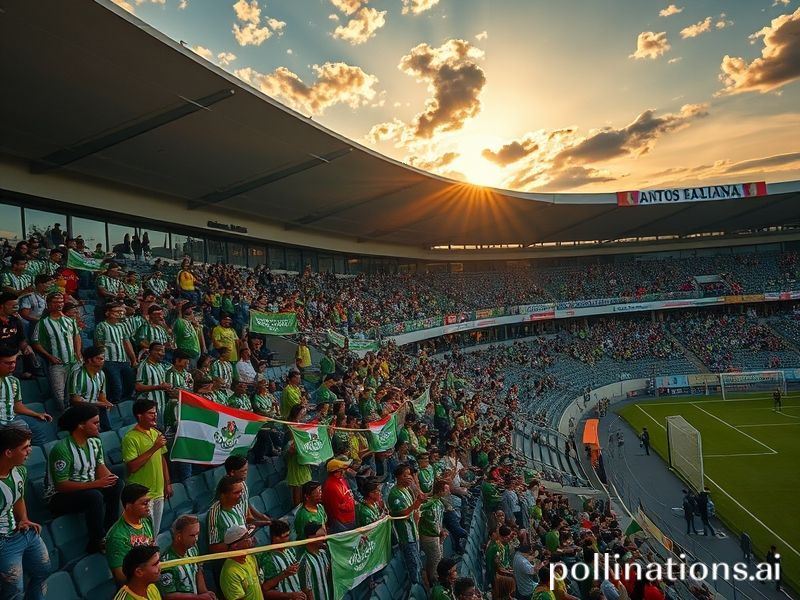
Mordashov’s influence extends beyond industry into sports and media. His ownership of FC Zenit St. Petersburg, one of Russia’s most successful football clubs, has made him a prominent figure in Russian sports. Under his leadership, Zenit has secured multiple league titles and invested in state-of-the-art training facilities. The club’s success has also served as a propaganda tool for the Russian government, aligning sports with national prestige.
In media, Mordashov’s ownership of Channel One—a major television network—has given him a platform to shape public opinion. The network has faced criticism for its pro-Kremlin editorial stance, particularly during periods of political crisis. For Mordashov, media control is not just a business venture but a tool for maintaining influence in Russia’s tightly controlled information landscape.
His philanthropic efforts, though less publicized, include donations to education and healthcare initiatives in Cherepovets. These contributions, while commendable, are often overshadowed by the controversies surrounding his business practices.
The Future of Mordashov’s Empire
As Russia’s war in Ukraine continues, Mordashov’s empire faces unprecedented challenges. Sanctions have disrupted supply chains and limited access to capital, forcing him to rely more heavily on domestic markets. Yet, his long-standing relationships with Russian authorities provide a buffer, allowing him to navigate the crisis with relative stability.
Looking ahead, Mordashov’s ability to adapt will determine whether his empire thrives or falters. Potential scenarios include:
- Domestic Consolidation: Doubling down on Russian markets to offset losses in the West.
- Global Expansion: Seeking new opportunities in Asia or Africa to diversify away from Europe.
- State Dependence: Increasing reliance on government support, further entrenching his ties to the Kremlin.
The outcome of these strategies will shape not only Mordashov’s legacy but also the broader trajectory of Russia’s economy and political elite.
Conclusion
Alexey Mordashov embodies the contradictions of modern Russian capitalism—a blend of entrepreneurial ambition, political loyalty, and controversial dealings. His business empire, built on steel, media, and sports, reflects the complexities of a system where economic success often comes at a social and political cost. As sanctions and geopolitical tensions reshape global markets, Mordashov’s ability to adapt will be tested like never before. Whether he can transition from an oligarch of the Putin era to a resilient global player remains an open question.