Understanding the Mubaraz Tanker Incident in the Strait of Hormuz
The Strait of Hormuz remains one of the world’s most strategically critical maritime chokepoints. Over 20% of global oil supplies pass through its narrow waters each day. Recent incidents involving the Mubaraz tanker have drawn international attention, raising concerns about regional stability and global energy security.
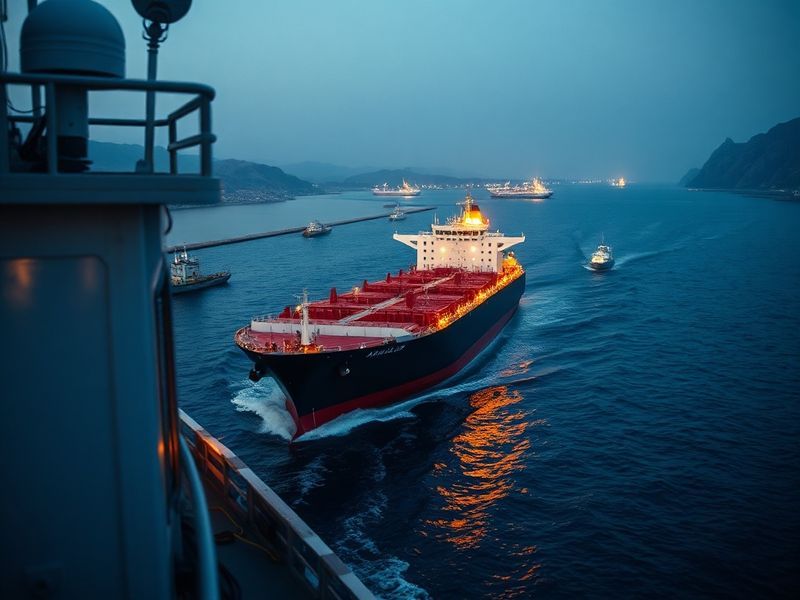
On a routine voyage, the Mubaraz, a Marshall Islands-flagged vessel, became the center of an unexpected geopolitical event. Reports indicated the tanker was approached by unidentified craft near the Iranian coast. While details remain contested, the incident underscores the persistent tensions that define this vital waterway.
This is not an isolated event. The Strait of Hormuz has long been a flashpoint in broader Gulf rivalries, where maritime disputes intersect with political ambitions, economic leverage, and historical grievances. To understand the Mubaraz incident, we must look beyond the immediate event and examine the broader context of regional power dynamics.
The Strategic Importance of the Strait of Hormuz
The Strait of Hormuz is a narrow passage, barely 21 miles wide at its narrowest point, connecting the Persian Gulf to the Gulf of Oman and, ultimately, the Arabian Sea. Its significance lies not only in geography but in global energy infrastructure. Daily oil flows through the strait exceed 17 million barrels—more than the combined output of the United States and Russia.
For nations like Saudi Arabia, Iraq, Kuwait, the UAE, and Iran, the strait is a lifeline. Disruptions here send immediate shockwaves through global oil markets. When tankers are targeted or detained, futures prices react within hours. This reality has turned the strait into a geopolitical chessboard where regional actors test boundaries without triggering full-scale conflict.
The Mubaraz incident, while minor in scale, serves as a reminder of how fragile this balance is. Even small-scale harassment or interference can escalate into a major crisis, especially when trust is already low and miscalculation is a constant risk.
Regional Tensions and the Role of Iran
Iran has long asserted its influence over the Strait of Hormuz. In 2019, it seized the British-flagged Stena Impero tanker in retaliation for the detention of an Iranian vessel in Gibraltar. Such actions are not random—they are calibrated responses within a broader strategy of deterrence and pressure.
The Islamic Republic views control over the strait as part of its national security doctrine. Supreme Leader Ayatollah Khamenei has repeatedly stated that Iran will not allow foreign powers to dominate the region. This posture is reinforced by the Revolutionary Guard’s naval forces, which operate extensively in the area.
In the case of the Mubaraz, Iranian officials denied involvement, attributing the incident to piracy or misidentification. Yet skepticism persists. Regional analysts point to a pattern: when tensions rise between Iran and Western powers, maritime incidents increase. These are not mere coincidences but part of a calculated rhythm of confrontation and deterrence.
Such tactics serve multiple purposes:
- They signal Iran’s ability to disrupt global energy flows, raising costs for adversaries.
- They demonstrate operational reach, reinforcing Iran’s claim as a regional power.
- They create uncertainty, forcing international actors to reconsider their military posture in the Gulf.
Global Reactions and the Search for Stability
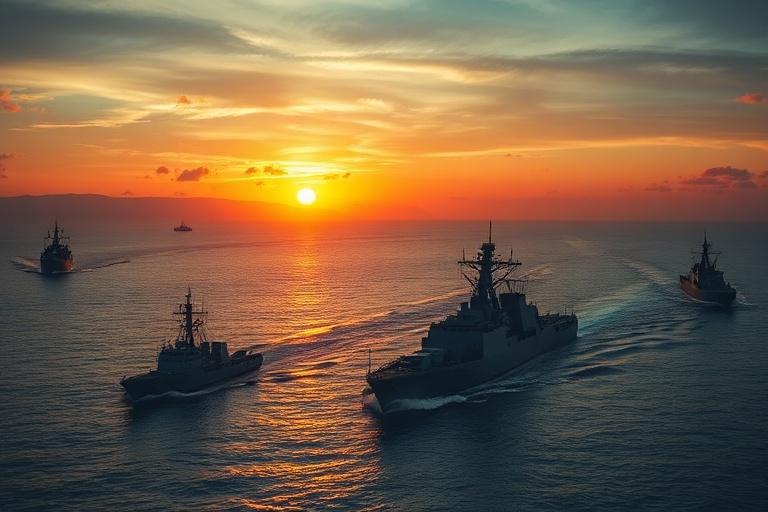
The international response to the Mubaraz incident was swift but cautious. The United States, through Central Command (CENTCOM), monitored the situation closely. European nations, particularly the UK and France, called for restraint and de-escalation. China and India, both heavily reliant on Gulf oil, urged dialogue and stability.
This diversity of responses highlights the strait’s global significance. While the U.S. maintains a strong naval presence in the region through the Fifth Fleet, many European and Asian nations prefer diplomacy and economic engagement. This divide complicates efforts to form a unified international stance.
In the aftermath, the United Nations Security Council issued a statement expressing concern but avoided direct condemnation. Such caution reflects the complexities of international law in maritime disputes. The law of the sea provides frameworks for navigation and sovereignty, but enforcement remains inconsistent, especially in contested waters.
Meanwhile, oil markets reacted predictably. Brent crude futures saw a brief spike of 2-3% before stabilizing. Traders are accustomed to volatility in the Gulf, but each incident reinforces the fragility of supply chains that underpin the global economy.
Lessons from the Mubaraz Incident
The Mubaraz tanker episode offers several key insights into the evolving nature of maritime security in the 21st century.
First, it confirms that the Strait of Hormuz remains a pressure point for geopolitical rivalry. Even minor incidents can have outsized consequences when they occur in a region already on edge.
Second, it reveals the limits of deterrence. While naval patrols and sanctions aim to prevent aggression, asymmetric tactics—such as speedboat swarms or drone surveillance—allow actors like Iran to bypass traditional military deterrents.
Third, it highlights the role of misinformation. In the digital age, conflicting narratives spread rapidly, complicating efforts to establish facts. This ambiguity can be exploited to shape public perception and political outcomes.
Finally, it underscores the need for dialogue. The Gulf region cannot afford another cycle of escalation. Multilateral platforms, such as the recently revived talks between Iran and Gulf Cooperation Council (GCC) states, may offer pathways to reduce tensions—though progress has been slow.
Looking Ahead: What Comes Next?
The future of the Strait of Hormuz will be shaped by three interrelated forces: geopolitics, energy markets, and technological innovation.
Geopolitically, the rivalry between Iran and its Gulf neighbors—especially Saudi Arabia—shows no sign of abating. Proxy conflicts in Yemen and Syria continue to spill into maritime domains, creating new flashpoints. Meanwhile, the U.S.-China strategic competition adds another layer of complexity, as Beijing seeks to secure its energy supply routes.
Energy markets are also evolving. The rise of shale oil in the U.S. and renewable energy in Europe has reduced some dependence on Gulf oil. Yet, for Asia—home to the world’s fastest-growing economies—Gulf oil remains indispensable. Any disruption in the strait would still send tremors through markets.
Technological innovation may offer solutions. Drones, satellite monitoring, and AI-driven threat detection are being deployed to enhance maritime security. Private firms are investing in autonomous escort vessels and blockchain-based tracking to improve transparency. These tools could help reduce risks, but they cannot eliminate the underlying political tensions.
For now, the Mubaraz incident serves as a reminder: in the Strait of Hormuz, geography is destiny. Its waters carry not just oil, but the weight of history, ambition, and fear. Until those forces find balance, the strait will remain a stage for both conflict and cooperation.
For broader analysis on regional security trends, explore our News section. To understand how energy markets respond to geopolitical events, read our Analysis category.