<!DOCTYPE html>
<html lang="en">
<head>
    <meta charset="UTF-8">
    <meta name="viewport" content="width=device-width, initial-scale=1.0">
    <title>Antidepressant Recalls: What Patients Need to Know in 2024</title>
</head>
<body>
    <article>
        <h1>Antidepressant Recalls: What Patients Need to Know in 2024</h1>

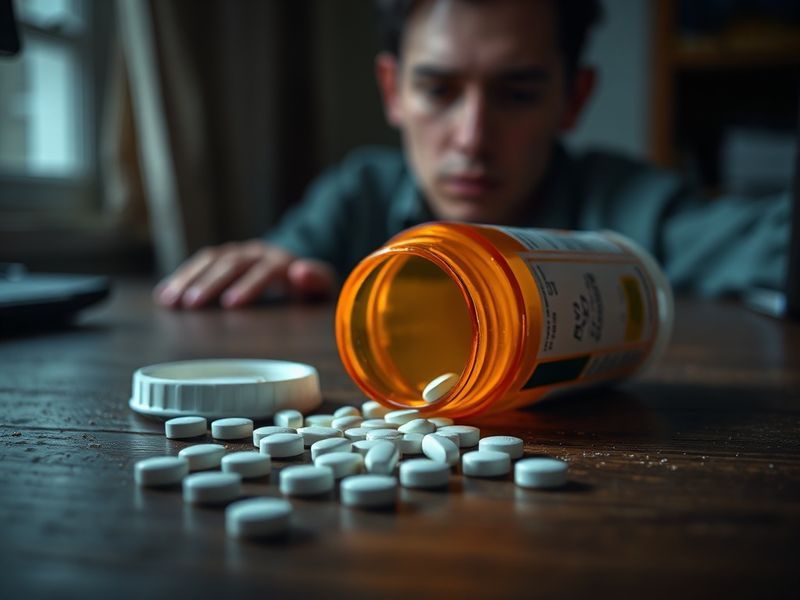
        <p>Pharmaceutical recalls are never routine. When antidepressants—medications taken by millions globally—are pulled from shelves, the ripple effects extend far beyond supply chains. Patients face uncertainty about their treatment continuity, while healthcare providers must navigate abrupt care plan revisions. In 2023 and early 2024, several high-profile antidepressant recalls have drawn attention not only to manufacturing flaws but also to the broader pressures facing global pharmaceutical regulation.</p>

        <p>These recalls span continents, from the United States to Europe and parts of Asia, affecting widely prescribed selective serotonin reuptake inhibitors (SSRIs) and serotonin-norepinephrine reuptake inhibitors (SNRIs). The causes vary: contamination, packaging errors, or deviations in Good Manufacturing Practices (GMP). What remains consistent is the human impact—patients who rely on these medications for mental health stability suddenly find themselves in uncharted territory.</p>

        <h2>Why Are Antidepressants Being Recalled Now?</h2>

        <p>Recent recalls of antidepressants are largely driven by two factors: contamination and compliance failures. The most alarming cases involve the presence of nitrosamine impurities, which are potential carcinogens. Agencies such as the U.S. Food and Drug Administration (FDA) and the European Medicines Agency (EMA) have issued stringent thresholds for these compounds, leading to large-scale batch withdrawals.</p>

        <ul>
            <li><strong>Nitrosamine contamination:</strong> Found in certain generic versions of sertraline, fluoxetine, and venlafaxine, these impurities can form during manufacturing or storage.</li>
            <li><strong>Packaging mix-ups:</strong> Errors in labeling or blister packs have led to distribution of incorrect strengths, risking under- or over-dosing.</li>
            <li><strong>Manufacturing deviations:</strong> Facilities in India and China—major suppliers of generic antidepressants—have faced repeated inspections highlighting failures in GMP compliance.</li>
        </ul>

        <p>According to the FDA’s 2023 drug shortage reports, antidepressant recalls ranked among the top causes of medication shortages, second only to antibiotics. This reflects both the complexity of global supply chains and the increasing reliance on overseas production for psychiatric medications.</p>

        <h2>Global Impact: From North America to Southeast Asia</h2>

        <p>The reach of these recalls is truly international. In Canada, Health Canada recalled multiple lots of generic escitalopram and bupropion in late 2023 due to elevated nitrosamine levels. Meanwhile, in the European Union, the EMA coordinated a phased withdrawal of certain venlafaxine extended-release capsules after detecting N-nitrosodiethylamine (NDEA) above acceptable limits.</p>

        <p>In India, a major exporter of generic antidepressants, the Central Drugs Standard Control Organization (CDSCO) suspended manufacturing licenses for several facilities in Gujarat and Maharashtra. These closures disrupted supply chains to countries in Africa and the Middle East, where access to mental health medications is already limited.</p>

        <p>Even in Australia, where self-medication culture is less pronounced, recalls of fluoxetine and paroxetine in early 2024 led to temporary shortages at community pharmacies. Mental health advocates in the region have expressed concern that such disruptions disproportionately affect vulnerable populations, including low-income earners and rural communities.</p>

        <h2>The Human Side: Stories from Patients and Clinicians</h2>

        <p>For many patients, antidepressants are not optional—they are lifelines. Sarah, a 34-year-old teacher in Toronto, had been stable on venlafaxine for two years when her pharmacy notified her of a recall. “I felt like I was being pulled back into the fog,” she said. “Going off it suddenly wasn’t an option—I had to find alternatives fast.”</p>

        <p>Clinicians report increased anxiety among patients during recall periods. Dr. Elena Vasquez, a psychiatrist in Barcelona, noted: “We’re seeing more patients with relapse symptoms—insomnia, panic attacks, suicidal ideation—within weeks of stopping medication due to recalls.”</p>

        <p>Health systems are scrambling to respond. In the UK, the National Health Service (NHS) activated contingency protocols, allowing pharmacists to substitute recalled medications with therapeutically equivalent alternatives when possible. However, such substitutions require careful monitoring, especially for patients with complex treatment histories.</p>

        <h2>What Should Patients and Caregivers Do?</h2>

        <p>If you or a loved one are taking an antidepressant that has been recalled, do not stop the medication abruptly. Sudden discontinuation can lead to withdrawal symptoms such as dizziness, nausea, and emotional instability. Instead, follow these steps:</p>

        <ol>
            <li><strong>Check the recall notice:</strong> Visit your national regulatory agency’s website (e.g., FDA, EMA, Health Canada) and enter the drug name and lot number.</li>
            <li><strong>Contact your pharmacist or doctor:</strong> They can verify whether your medication is affected and help you transition safely.</li>
            <li><strong>Request a replacement or alternative:</strong> If your medication is recalled, ask about equivalent generics or therapeutic substitutes.</li>
            <li><strong>Monitor your symptoms:</strong> Keep track of mood, sleep, and energy levels during any transition period.</li>
            <li><strong>Report side effects:</strong> If you experience adverse reactions during a switch, report them to your national pharmacovigilance system.</li>
        </ol>

        <p>For those concerned about long-term access, it’s worth discussing tapering plans with a healthcare provider, especially if alternatives are not immediately available. Mental health professionals emphasize that continuity of care is critical during these disruptions.</p>

        <p>As supply chain pressures continue and regulatory scrutiny intensifies, patients and healthcare providers must remain vigilant. The recalls of 2023–2024 are not isolated incidents—they signal a systemic challenge in maintaining the safety and availability of essential psychiatric medications.</p>

        <h2>Looking Ahead: Can the System Be Fixed?</h2>

        <p>Experts argue that the current wave of recalls reflects deeper issues in pharmaceutical globalization. Dr. Rajan Patel, a global health policy researcher at the London School of Hygiene & Tropical Medicine, points out that “the push for lower drug prices has led to over-reliance on a handful of manufacturing hubs, creating single points of failure.”</p>

        <p>There is growing momentum for diversifying production and strengthening local manufacturing capabilities in North America and Europe. The U.S. Inflation Reduction Act includes provisions to incentivize domestic production of generic drugs, including antidepressants. Similarly, the EU’s Pharmaceutical Strategy aims to reduce dependency on imports from non-EU countries.</p>

        <p>In the meantime, patients must stay informed and proactive. Regulatory agencies continue to update recall lists in real time, and digital tools—such as medication tracking apps and pharmacy alerts—are becoming essential in managing care during supply disruptions.</p>

        <p>While the immediate concern is access to safe medication, the long-term question is whether the global health system can build resilience into its supply chains without compromising affordability or quality. For millions who depend on antidepressants, the answer cannot come soon enough.</p>
    </article>